
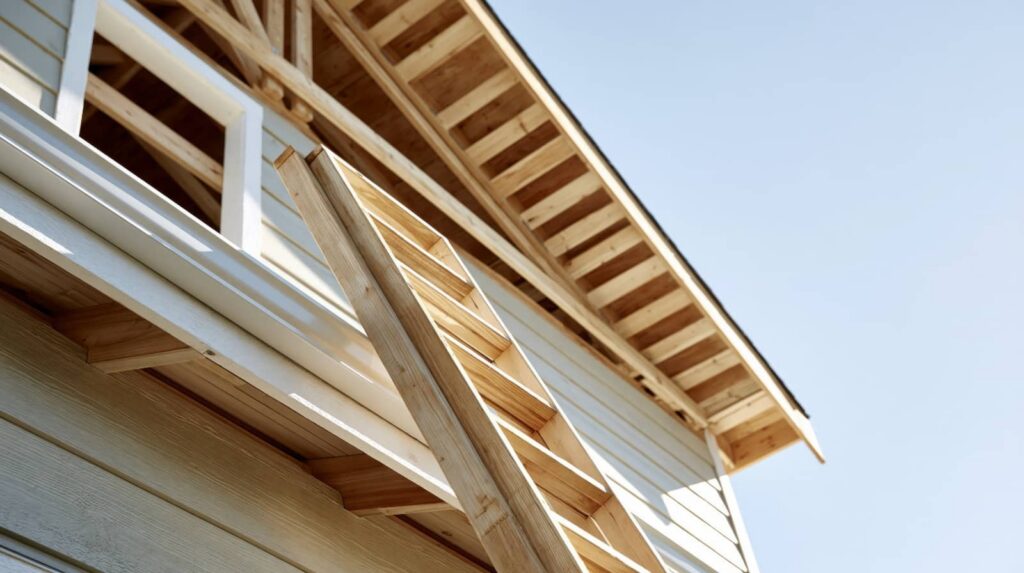
After a storm, siding repair after storm damage may be necessary if you notice cracks, dents, loose panels, or warped sections that can allow water to get inside. You’ll also want to watch for soft spots, bubbling paint, or hidden moisture that can turn a small issue into a much bigger repair. Some storm damage is easy to spot, but other problems can remain hidden until they spread, making a thorough inspection and timely repairs especially important.
Key Takeaways
- Check for cracks, dents, loose panels, or missing sections that expose your home to moisture and pests.
- Inspect seams, corners, trim, and edges for gaps, lifted siding, or hidden wind damage.
- Look for moisture clues like warping, bubbling paint, musty odors, dark streaks, or damp interior walls.
- Secure loose siding, seal exposed areas, and cover broken spots temporarily until repairs are made.
- Call a siding professional for widespread damage, hidden water intrusion, or when matching replacement materials is difficult.
How Storm Damage Affects Siding
Storms can leave siding with more than just cosmetic damage, and you’ll want to catch the signs early. High winds can loosen panels, driving rain can force water behind them, and hail can crack or dent surfaces.
When that happens, your siding may no longer protect your home the way it should. Moisture can slip into the wall layers, swell the backing, and weaken fasteners over time.
Even if the outside still looks mostly intact, storm impact can create hidden gaps that invite rot and mold. That’s why siding repair after storm damage matters quickly.
You’re not alone in facing this; acting early helps you protect your home, keep repairs manageable, and restore your home’s shield before small problems spread.
Signs Your Siding Needs Repair
After a storm, you should check your siding for visible cracks, dents, and other damage that can let moisture in.
Look closely for loose or missing panels, since even small gaps can lead to bigger problems if you leave them alone.
Catching these signs early helps you protect your home and keep repairs manageable.
Visible Cracks And Dents
A few visible cracks or dents in your siding can signal more than surface damage—they can let moisture seep in and weaken the structure behind it.
After a storm, walk around your home and check for splits, punctures, or deep dimples, especially where wind-driven debris may have struck. You don’t need to panic over every mark, but you should note any damage that breaks the surface or exposes the layer beneath.
Even small openings can grow when rain, sun, and temperature changes work on them. If you spot several damaged areas, take photos and arrange a prompt repair.
Acting early helps protect your home and keeps your house looking cared for, so you can feel confident and connected to a place that’s holding strong.
Loose Or Missing Panels
If cracks and dents are only part of the picture, check whether any siding panels have shifted, lifted, or come loose. When storm winds pry boards away, you’re left with gaps that invite rain, pests, and drafts. You belong to a community of homeowners who can catch this early and avoid bigger repairs.
- Look for edges that won’t sit flat
- Check for missing panels after heavy wind
- Notice nails that have popped out
- Watch for rattling or flapping in gusts
- Inspect corners, seams, and trim for openings
If you spot any of these issues, schedule repair soon. A loose panel can let moisture reach the sheathing, weaken insulation, and spread damage fast.
Acting now helps protect your home and restore its tight, finished look.
How to Check for Wind and Hail Damage
After a storm, inspect your siding for visible panel dents, since hail often leaves small dimples or deeper impacts.
Check for loose or missing pieces, and press gently on any soft spots to see whether wind has loosened the material or moisture has weakened it.
Look closely for cracks, because even small splits can let water in and lead to bigger repair issues.
Visible Panel Dents
Start by scanning each siding panel for dents, dimples, or small impact marks, since wind-driven debris and hail can leave damage that isn’t obvious from a distance.
- Check corners and raised textures first.
- Compare sunlit areas with shaded sections.
- Feel for shallow depressions with a clean hand.
- Look for clustered marks that suggest hail.
- Note any fresh scuffs around windows and trim.
You don’t need to panic if you spot a few marks, but do document them with photos and date notes.
Walk the exterior slowly, and look at the panels from different angles so the light reveals changes in surface shape.
When you catch dents early, you stay ahead of bigger repair needs and keep your home in the neighborhood looking cared for and solid.
Loose Or Missing Pieces
Once you’ve checked for dents, look closely for siding pieces that have shifted, cracked free, or gone missing entirely, because wind and hail can loosen panels even when the damage isn’t obvious at first glance.
Walk the perimeter and compare each section to the rows beside it. If a panel sits crooked, gaps appear at the seams, or trim has pulled away, you may have storm damage that needs attention.
Look under eaves, near corners, and around windows, since these spots often take the hardest hit. You can also spot trouble by finding pieces on the ground after the storm.
Catching missing sections early helps your home stay protected and keeps your repair plan simple. If you notice damage, document it and call a trusted siding pro so you’re not handling it alone.
Soft Spots And Cracks
Soft spots and cracks can show up after wind or hail has weakened your siding, even if the damage doesn’t look severe at first. You can check by pressing gently on suspect areas and looking for flex, splits, or surface fractures.
If you notice any of these signs, don’t ignore them:
- panels that feel spongy
- hairline cracks near seams
- dents around impact points
- peeling paint or lifted edges
- gaps that let in moisture
These issues often mean water has started getting behind the siding.
Walk the exterior after the storm, compare damaged sections with intact ones, and take photos for your records. You’re not alone in this; catching small problems early helps protect your home and keeps repair costs manageable.
Hidden Moisture Problems to Watch For
Even if storm damage looks minor, hidden moisture can slip behind cracked, loose, or missing siding and quietly cause bigger problems. You mightn’t see it right away, but you can watch for warped panels, bubbling paint, musty odors, or dark streaks around seams and trim.
Check inside for damp walls, peeling wallpaper, stains, or cool spots that signal trapped water. Pay close attention after rain, because moisture often gathers near corners, windows, and nail holes.
If you notice swelling or soft drywall, act quickly before damage spreads. You deserve a home that feels safe and solid, and catching moisture early helps protect that. A careful inspection now can save you stress, mess, and costly repairs later.
When Siding Repair Is Enough
If the damage is limited to a few cracked, loose, or missing panels, siding repair may be enough to restore your home’s protection. You can often keep your exterior solid without a full project when the rest still fits well and drains properly.
A qualified pro can match materials, secure weak spots, and seal exposed areas so your home stays comfortable and secure.
- Small impact dents
- Isolated panel cracks
- Loose trim or fasteners
- Minor edge lifting
- Color-matched replacement pieces
Act quickly, because prompt repairs help you stay ahead of moisture and avoid bigger headaches.
With the right fix, you can protect your home and feel confident your siding still belongs on your house.
When to Replace Storm-Damaged Siding
When storm damage goes beyond a few isolated repairs, replacement is often the safer choice because damaged siding can let water seep behind the wall and weaken the structure.
You should also consider replacement if panels are cracked through, buckled, missing, or soft to the touch. Widespread hail dents, wind tearing, or repeated leaks usually mean patching won’t restore a tight seal.
If matching old siding is impossible, replacing the full section helps your home look consistent and protects your peace of mind. You’re not overreacting when damage covers multiple walls or reaches under trim.
A full replacement can give you a clean, durable finish and help your home stay strong through the next storm, so you can feel confident in your place again.
How to Prevent More Storm Damage
To keep storm damage from getting worse, you’ll want to secure any loose siding, seal exposed edges, and clear debris as soon as it’s safe to do so. You can protect your home and feel confident by acting quickly and checking for hidden weak spots.
- Inspect corners, seams, and trim
- Replace missing fasteners right away
- Cover broken areas with a tarp
- Keep gutters and downspouts clear
- Trim nearby branches before the next storm
If you notice soft spots, warped panels, or water stains, don’t wait. Call a trusted siding pro to stop moisture from spreading and to restore your home’s protection.
When you stay ahead of small issues, you help your house stay strong and keep your neighbors’ support close too.
Frequently Asked Questions
How Soon Should Storm-Damaged Siding Be Inspected?
You should inspect storm-damaged siding as soon as it’s safe, ideally within 24 hours. You’ll catch hidden cracks, loosened panels, and moisture entry early, helping you protect your home and avoid costly repairs.
Does Homeowners Insurance Cover Siding Storm Repairs?
Yes, your homeowners insurance often covers storm-damaged siding if wind, hail, or debris caused it. Think of your policy as a safety net: you’ll file promptly, document damage, and review deductibles and exclusions carefully.
Can Minor Siding Cracks Worsen After Heavy Rain?
Yes, they can. You might see small cracks let in water, then swelling, rot, or mold follow. Check your siding after storms, seal damage quickly, and call a pro if you’re unsure.
Should Siding Be Matched Exactly After Partial Replacement?
Not exactly; you should aim for the closest match possible. You’ll want compatible material, color, and profile so your repair blends in and protects your home. A skilled contractor can help you choose wisely.
Who Should Repair Storm-Damaged Siding?
You should hire a licensed siding contractor or storm-restoration specialist; if you worry it’ll cost more, remember poor repairs can trap moisture and spread damage. They’ll inspect, match materials, and help you protect your home.
Wrap-Up
After a storm, you can’t afford to ignore even tiny siding damage—those little cracks and dents can turn into giant, wallet-draining problems fast. Check your siding closely, document every issue, and fix anything loose or warped before moisture sneaks in and starts causing chaos behind the scenes. If the damage looks widespread, don’t wait. A quick inspection now can save you from massive repairs later and help keep your home solid, dry, and protected.