
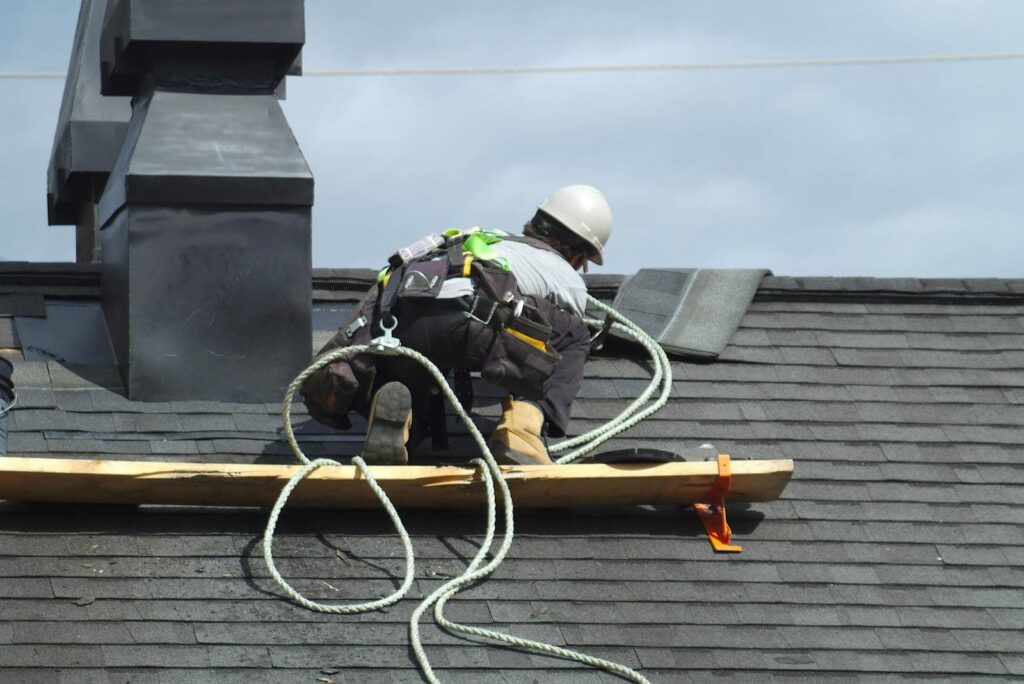
Like a small crack in a dam, a minor roof issue can turn into a costly failure fast. You might delay repairs, miss hidden leaks, or patch over damage with the wrong materials, and each choice can make the problem harder to contain. Flashing, ventilation, and fastening details matter more than they seem, and a quick fix often sets up the next repair before you know it.
Key Takeaways
- Delaying roof repairs lets small leaks grow into expensive structural damage.
- Patching over hidden damage causes leaks to return and worsen.
- Using wrong roofing materials or mismatched components weakens repairs.
- Poor flashing repairs leave gaps that let water keep entering.
- Rushing repairs or skipping safety and preparation increases failure risk.
What Roof Repair Mistakes Cost Most
The roof repair mistakes that cost the most are usually the ones that seem minor at first: delaying repairs, patching over hidden damage, and using the wrong materials or methods.
You can turn a small issue into a major expense when you skip proper prep, ignore manufacturer specs, or rush sealing details.
Common roof repair mistakes also include mismatched components, poor fastening, and weak cleanup that leaves debris behind.
These errors reduce performance and shorten service life, so you end up paying twice.
If you want to protect your home and stay on track with smart upkeep, inspect carefully, follow the right sequence, and choose compatible materials.
That’s how you keep repairs durable, efficient, and worth the investment.
How to Spot Hidden Roof Leaks
Even when you don’t see obvious drips, hidden roof leaks often reveal themselves through subtle clues like water stains on ceilings, peeling paint, damp insulation, musty odors, and darkened decking in the attic.
Check these areas after heavy rain and again on dry days, because leaks can leave traces long after water stops moving. Look for bubbling drywall, rusted fasteners, or insulation that feels heavier than normal.
Trace stain edges upward to find the entry point, since water usually travels before it shows inside. Use a flashlight in the attic and inspect around vents, chimneys, and valleys.
If you spot recurring dampness, document it and act fast so you stay ahead of costly damage and protect your home with confidence.
Why the Wrong Roofing Materials Fail
Once you’ve confirmed where a leak starts, the next mistake to avoid is patching it with the wrong roofing material. You might save time with a mismatched shingle, sealant, or membrane, but the repair won’t bond, flex, or age like the surrounding roof.
Different products expand and contract at different rates, so joints open up, edges curl, and water finds a path back in. You also risk poor adhesion on dusty, brittle, or heat-worn surfaces.
Match the repair to your roof type, slope, and climate, and use components rated for the same exposure. When you choose the right material, your fix blends in, holds up, and keeps your roof system working the way your home deserves.
Why Flashing Repairs Matter
Flashing repairs matter because even a small gap around chimneys, skylights, vents, or roof valleys can let water bypass the surface and reach the deck. You need intact metal, tight sealant, and correct overlap so water sheds away from seams instead of pooling there.
When you replace flashing, match the profile, fastener spacing, and roof pitch, or you’ll invite leaks that spread into framing and insulation. In a well-built roof system, flashing isn’t optional detail work; it’s part of the barrier that keeps your home dry and your crew confident in the repair.
Inspect every junction carefully, especially where different materials meet. If you fix the shingles but ignore flashing, you’re only treating the symptom. Solid flashing repairs help you protect the whole roof and avoid repeat callbacks.
How Temporary Roof Patches Cause Bigger Damage
Temporary roof patches may stop a leak for a day, but they often trap water, hide the source of the failure, and delay a permanent fix. You may feel relieved, yet the patch can split, lift, or shrink as temperatures change, letting the leak return stronger.
If you keep layering sealant over damaged shingles, you mask torn underlayment, loose flashing, or cracked decking that still needs repair. That quick fix can also make later work harder, because you’ll need to remove extra material before you can inspect the roof properly.
Act fast, but act correctly: dry the area, trace the entry point, and replace failed components with a durable repair. Your roof team will thank you, and your home will stay protected.
How Moisture and Ventilation Problems Spread
Moisture problems don’t stay isolated; if attic humidity, poor ventilation, or a small roof leak goes unchecked, water can spread into insulation, sheathing, and framing, causing rot, mold, and weakened fasteners.
You might notice stained drywall, musty odors, or shingles that look fine but hide wet decking below. When warm indoor air meets a cold roof deck, condensation builds and keeps surfaces damp, so the damage keeps moving.
You need balanced intake and exhaust airflow to help the attic dry out and stay stable. Check vents for blockages, inspect flashing and penetrations, and replace soaked insulation before it traps more moisture.
When you address the source early, you protect the whole roof system and keep your home in the clear together.
Common DIY Roof Repair Safety Mistakes
Once you’ve traced a leak or damp spot to its source, you still need to repair it safely, because many DIY roof mistakes happen before the first shingle comes off.
You should wear non-slip shoes, gloves, and eye protection, and you should secure your ladder on firm, level ground. Don’t work on wet, icy, or windblown surfaces; even a small slip can turn a quick fix into a bad fall.
Keep tools tied off or in a bucket so you’re not reaching for loose items near an edge. Mark weak decking before you step on it, and stay clear of skylights and brittle panels.
If you’re part of a crew of one, talk through each move and keep your phone nearby. Safe habits protect your roof, your home, and you.
When to Call a Roof Contractor
Call a roof contractor when the damage goes beyond a simple patch, because complex leaks, sagging areas, missing structural members, or widespread shingle failure usually need professional tools and training.
You’ll also want help when water stains keep returning, flashing has separated, or you can’t trace the leak source from inside the attic.
A contractor can inspect the decking, underlayment, and ventilation system without guessing, so you avoid hidden rot and repeated repairs.
If your roof has storm damage, visible daylight through the attic, or soft spots underfoot, stop the DIY approach and get support.
Acting early protects your home, keeps your repair budget in check, and puts you back with the homeowners who handle roof problems before they spread.
How to Hire the Right Roofer
When you hire a roofer, check credentials first so you know they’re licensed, insured, and qualified for the job.
Then compare written estimates to verify scope, materials, labor, and warranty terms.
This helps you avoid costly mistakes and repeat repairs.
Check Credentials First
Before you hire a roofer, verify their license, insurance, and local experience so you don’t turn a simple repair into a costly mistake.
Ask for state registration, workers’ compensation, and liability coverage, then confirm each document is current. If a contractor works without proper coverage, you could face claims, delays, or unsafe repairs.
Check that they’ve handled roofs like yours in your climate, since wind, rain, and heat affect materials differently. You want a pro who knows local codes and permitting rules, not a guesser.
Read recent reviews, but focus on patterns, not one complaint. A qualified roofer protects your home and your peace of mind.
When you choose carefully, you join the group of homeowners who avoid repeat damage and wasted money.
Compare Written Estimates
Get at least three written estimates so you can compare scope, materials, labor, warranties, and timing side by side. You’ll spot gaps fast and avoid paying for vague promises.
A solid bid should name the exact roof areas, fasteners, underlayment, ventilation fixes, and cleanup plan. It should also state permit handling, payment schedule, and change-order terms.
When you read each quote, look for apples-to-apples details, not just the lowest number. You belong with homeowners who ask sharp questions and protect their budgets.
- Verify material brand and grade.
- Compare labor hours and crew size.
- Review warranty length and exclusions.
- Confirm start date and completion window.
Frequently Asked Questions
How Often Should Roof Repairs Be Inspected After Completion?
You should inspect roof repairs within 24 to 48 hours, then again after the first heavy rain, and at least annually. You’ll catch leaks early, verify workmanship, and prevent small issues from growing.
Can Small Roof Damage Wait Until the Next Season?
No, you shouldn’t wait; that tiny shingle crack is a warning light. You need to repair it now, because moisture can spread fast, weaken decking, and push your costs higher before next season arrives.
Does Roof Age Affect Repair Decisions?
Yes, roof age affects your repair choices. You’ll often patch newer roofs, but older systems may need broader fixes or replacement. Check material wear, leaks, and structural fatigue so you’re not chasing recurring damage.
Are Roof Repair Warranties Worth Asking About?
Yes, they’re worth asking about; you’ll spot who stands behind their work. Don’t assume every leak fix is equal—ask coverage terms, labor limits, and exclusions, then choose a roofer you trust, not just the lowest bid.
How Can I Tell if a Roof Repair Was Done Correctly?
You can tell a roof repair was done correctly if you see straight, sealed shingles, no leaks, proper flashing, and clean edges. You should inspect the attic after rain and ask for photos, invoices, and warranty details.
Wrap-Up
When you delay roof repairs, you invite bigger leaks, higher costs, and deeper damage. When you patch over hidden problems, you trap moisture, weaken materials, and shorten roof life. When you choose the wrong products, you reduce performance and increase failure. When you handle flashing, ventilation, or safety carelessly, you risk more than a quick fix. Inspect early, repair correctly, and call a qualified roofer when the job demands it.