
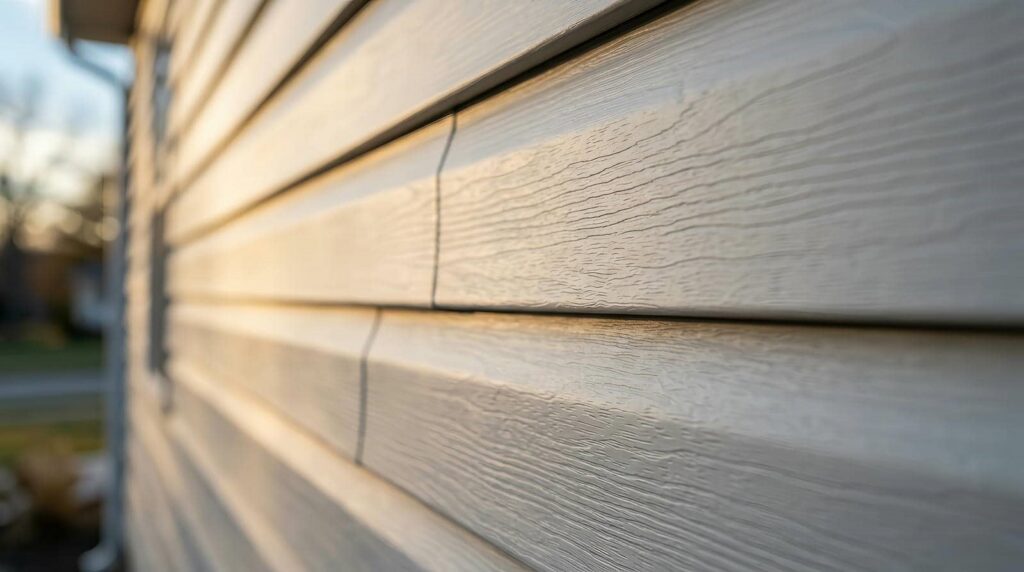
When the wind starts to whisper like a warning, your siding may already be taking a hit. You might see bent panels, cracks, gaps, or loose sections, but hidden damage can be just as risky. If you spot trouble, document it, secure exposed areas, and act quickly before water gets in. Knowing whether you need a repair or a full replacement can save you time and cost.
Key Takeaways
- Wind can bend, warp, crack, or loosen siding panels, leaving gaps where water and air can enter.
- Check corners, seams, windows, and doors for loose pieces, missing panels, or rattling sections after storms.
- Look for hidden damage like stains, soft spots, drafts, and moisture behind siding.
- Photograph all damage before cleanup, then cover exposed areas with a tarp if needed.
- Repair small isolated damage quickly, but replace siding if multiple sections are affected or the material is brittle.
Common Signs of Wind-Damaged Siding
Wondering whether wind has damaged your siding? You can spot siding damage from wind by looking for panels that look bent, warped, or partly detached after a storm.
You may notice pieces that rattle in the breeze, edges that no longer sit flush, or discoloration where the finish has worn away. Strong gusts can also leave your siding looking uneven, especially if one section took the brunt of the weather.
If you see siding that’s shifted out of place or sounds loose, treat it as a warning sign. Acting early helps you protect your home and stay confident with your repair plan.
You’re not dealing with this alone; many homeowners see these changes after high winds, and professional help can restore your siding’s strength and curb appeal.
Check for Cracks, Gaps, and Loose Panels
You should inspect your siding for visible cracks, open gaps, and any panels that have shifted after strong winds.
If you spot loose sections, secure them promptly to help prevent water intrusion and further damage.
Catching these issues early can keep a small repair from turning into a bigger problem.
Inspect Visible Cracks
Start with a close look at the siding for cracks, gaps, and loose panels, since wind can pull materials apart or shift them out of place.
Move along each wall and note any split edges, hairline cracks, or openings where water could enter.
Pay special attention to corners, seams, and spots around windows and doors, where stress often shows first.
If you spot damage, take a few clear photos so you can track what changed and share it easily with a contractor.
You’re not overreacting by checking now; catching small issues early helps protect your home and keeps repairs manageable.
A careful inspection gives you confidence, and it helps you know whether the siding still belongs in the safe, sound condition your home deserves.
Secure Loose Panels
If you found a panel that’s lifted, rattling, or pulling away from the wall, secure it as soon as possible so wind can’t work it loose further.
Start by checking the edges for cracks, gaps, and bent nails, then press the siding back into place if it still fits snugly.
Use the proper fasteners or clips for your material, but don’t overtighten and trap movement.
If you see a gap where water can enter, seal it with a compatible exterior caulk after the panel is anchored.
You’re not alone in this—these repairs are common after strong winds.
If a section keeps shifting, the lock is broken, or the damage spreads, call a professional.
Fast action helps protect your home and keeps your siding looking solid again.
How to Spot Hidden Siding Damage
You can spot hidden siding damage by checking for cracks and gaps that let wind and water get in.
Look for loose or missing panels, since they often signal deeper trouble behind the surface.
Watch for hidden moisture signs, like stains, soft spots, or peeling paint, so you can catch problems early and decide if repair’s needed.
Cracks And Gaps
Cracks and gaps often show up after strong winds loosen siding panels, pull nails, or stress seams around edges and joints. You can spot them by checking corners, window trim, and places where caulk looks split or missing.
Small openings may seem harmless, but they can let in moisture, air, and pests, so it’s smart to act early. Take a slow walk around your home and look for uneven lines or shadows that hint at separation.
- Inspect seams in daylight
- Feel for drafts near joints
- Look for paint or caulk splits
- Check spots near vents and fixtures
- Photograph anything you notice
If you find damage, you’re not alone. A siding pro can help you decide what needs repair now and what can wait.
Loose Or Missing Panels
Loose or missing panels are a clear sign wind has already done more than surface damage. You might notice a section that’s lifted, bowed, or no longer sitting flush with the wall.
Check edges, corners, and seams after a storm, since those spots catch the most pressure. If a panel has shifted, it can expose nearby sections to more stress, and the problem may spread fast.
Don’t ignore panels that rattle in the breeze or look slightly out of line; they often need attention sooner rather than later. You’re not alone in this—many homeowners spot the issue only after a strong gust.
A careful walk-around can help you catch damage early, protect your siding system, and know when it’s time to call a professional for repair.
Hidden Moisture Signs
Even when siding looks mostly intact after a storm, wind can force water behind panels and leave damage out of sight. You mightn’t see a hole, but you can still spot trouble early by checking for subtle moisture clues around your home.
Look for:
- soft or swollen siding edges
- peeling paint or bubbling finish
- musty odors near walls
- darker streaks or stains
- warped trim or interior damp spots
If you notice any of these signs, act quickly. Moisture trapped behind siding can spread and weaken your home’s structure.
You’re not alone in this process; many homeowners miss hidden damage at first. A professional inspection can confirm what’s happening and help you choose the right repair before small issues turn into bigger ones.
When to Repair or Replace Siding
If wind has left your siding warped, missing, or pulling away from the wall, you’ll want to decide quickly whether a repair will solve the problem or if replacement makes more sense.
Small areas of damage, like a few cracked panels or loose boards, often respond well to targeted repairs. You can usually keep the rest of the siding if the material still looks solid and matches closely.
Replace siding when damage spreads across multiple sections, moisture has seeped behind it, or repeated storms keep reopening the same problem.
If your siding is older, brittle, or hard to match, replacement can save you stress and future expense.
A trusted pro can help you choose the option that protects your home and keeps your exterior looking like it belongs.
What to Do After Wind Damage
After a windstorm, start by checking your siding from the ground for cracks, gaps, lifted panels, or pieces that blew away. If you spot damage, take photos before you move anything.
Then clear debris, loose branches, and anything rubbing against the walls. Cover exposed areas with a tarp if rain’s coming, but don’t nail into damaged panels.
- Walk the perimeter slowly
- Note dents, holes, and missing sections
- Check corners, seams, and trim
- Look for moisture inside near damaged walls
- Keep notes for your records
You don’t need to panic; quick, calm action helps protect your home and keeps your family’s space safe.
If the damage looks spread out or keeps growing, stay observant and act soon.
Why Hire a Siding Repair Pro
A trained siding repair pro can spot hidden wind damage that’s easy to miss from the ground, including loose fasteners, water intrusion, and structural issues behind the panels.
You get a clearer diagnosis, so you’re not guessing or patching the wrong problem. A pro can match materials, secure loose sections, and restore your home’s weather barrier before small damage turns into rot, mold, or higher energy bills.
You’ll also save time and reduce stress because the repair gets handled correctly the first time. When your home needs dependable care, working with an expert helps you protect your investment and feel confident in your neighborhood again.
If you’re unsure what wind did, call a siding specialist and get answers you can trust today.
Frequently Asked Questions
Can Wind Damage Void My Siding Warranty?
Yes, wind damage can void your siding warranty if the policy excludes storms or you miss maintenance requirements. You should review your warranty, document damage, and contact your installer or manufacturer promptly for guidance.
Does Homeowner’s Insurance Cover Wind-Damaged Siding?
Yes, your homeowner’s insurance often covers wind-damaged siding, but the sky-high catch is your policy and deductible. You’ll want to document damage, contact your insurer fast, and get a professional inspection to protect your claim.
How Soon Should Siding Damage Be Inspected After a Storm?
Inspect your siding as soon as it’s safe, ideally within 24 hours. You’ll catch hidden cracks, loose panels, or moisture early, and you’ll protect your home before damage spreads or worsens.
Can Small Dents in Siding Lead to Bigger Problems?
Yes, small dents can trap moisture, weaken panels, and let wind work underneath. You’ll protect your home better if you inspect them early and schedule repairs before minor damage turns costly.
Is It Safe to Stay Home During Siding Repair?
Yes, you can usually stay home during siding repair if you keep clear of work areas. You’ll hear noise and see dust, but contractors should protect your space. Ask about safety, access, and timing upfront.
Recap
When wind whips your siding, look closely for cracks, gaps, and loose panels, then check for hidden harm behind the surface. If you spot bent boards, missing pieces, or water intrusion, act fast to prevent bigger problems. Take photos, secure exposed spots, and call a siding repair pro for a smart solution. Swift steps save stress, stop structural setbacks, and keep your home protected, polished, and prepared for the next storm.