
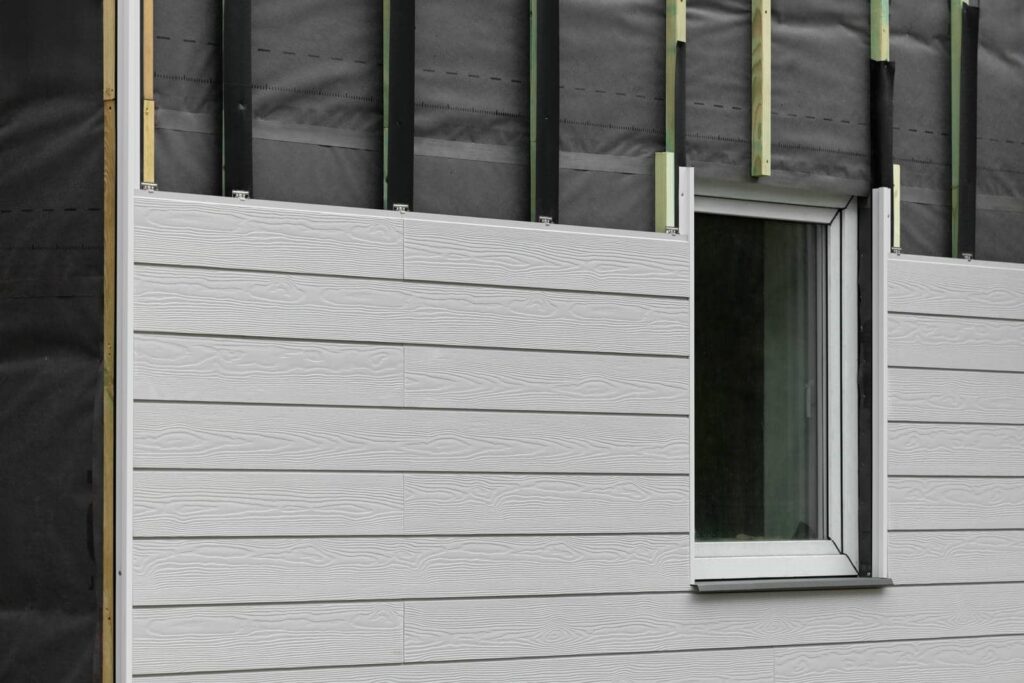
Like choosing between a fresh coat of paint and a full renovation, deciding between siding installation and replacement can greatly impact your home’s value and appearance. Installation adds a layer for aesthetic appeal, while replacement uncovers potential structural issues. Understanding these key differences can guide your decision-making process. So, how do you determine which option suits your home’s specific needs? Let’s explore the essential factors that influence your choice.
Key Takeaways
- Siding installation adds new siding for aesthetics and energy efficiency, while replacement removes old siding due to damage or wear.
- Installation typically has lower upfront costs, whereas replacement is more expensive due to complete removal and underlying inspections.
- Siding replacement addresses structural issues, while installation focuses mainly on enhancing appearance without thorough underlying checks.
- Professional installation ensures quality work, safety, and longevity, whereas replacement often involves more extensive labor and time.
- Both options improve property value, but replacement offers greater long-term benefits by addressing potential underlying problems.
What You Need to Know About Siding Installation vs. Replacement
When deciding between siding installation and replacement, it’s essential to understand the differences and implications of each option.
Siding installation typically refers to the process of adding new siding to your home, which can enhance aesthetics and energy efficiency. You’ll encounter various siding types, such as vinyl, wood, and fiber cement, each with unique benefits.
On the other hand, siding replacement involves removing old material and installing new siding, which may be necessary if your current siding is damaged or outdated.
Different installation methods, like lap, board-and-batten, or shake, can affect the overall look and durability.
Knowing these distinctions helps you make an informed choice that aligns with your home’s needs and your personal style.
Why Choose Siding Installation?
Choosing siding installation is a cost-effective solution that can greatly enhance your home’s energy efficiency.
By opting for new siding, you improve your property’s appearance and reduce energy bills.
This approach offers long-term savings while boosting your home’s value.
Cost-Effective Solution
Opting for siding installation can be a cost-effective solution for homeowners looking to enhance their property’s exterior. By choosing budget-friendly options, you can greatly reduce upfront costs while still achieving a fresh, updated look.
Installation typically requires less labor and material than full replacement, making it a smart choice for those on a tighter budget. Additionally, siding installation can lead to long-term savings by preventing potential damage and reducing maintenance needs.
With the right materials, you can improve your home’s durability and curb appeal without breaking the bank. This approach not only enhances your property but also fosters a sense of community pride and belonging among homeowners who value their investments.
Choose wisely, and reap the benefits for years to come.
Enhanced Energy Efficiency
Siding installation greatly enhances energy efficiency, especially if you select the right materials.
Choosing insulated siding options can lead to significant insulation improvements, reducing heat loss in winter and keeping your home cooler in summer.
This translates to energy savings that lower your monthly utility bills, making your home more comfortable and cost-effective.
When Should You Replace Your Siding?
It’s essential to recognize when to replace your siding to maintain your home’s integrity.
Look for signs of damage like cracks, warping, or mold, and consider the age of your siding; most materials have a lifespan of 20 to 30 years.
If you notice these issues, it might be time to invest in a replacement to protect your property.
Signs Of Damage
Seven key signs indicate when it’s time to replace your siding. Recognizing these can help you maintain your home’s integrity.
| Sign of Damage | Description | Action Needed |
|---|---|---|
| Wear Patterns | Noticeable fading or cracking | Inspect thoroughly |
| Moisture Intrusion | Water stains or mold presence | Immediate replacement |
| Warping or Buckling | Irregular surface appearance | Schedule an assessment |
If you spot wear patterns or experience moisture intrusion, it’s essential to act quickly. Ignoring these signs can lead to more extensive damage and costly repairs down the line. Staying proactive ensures your home remains a safe and welcoming space for you and your loved ones.
Age Of Siding
Recognizing signs of damage is only the first step in maintaining your home’s exterior. Understanding the age of your siding is essential for deciding whether to replace it.
Most siding materials have a specific lifespan, and knowing this can help you plan better.
Here are three key indicators that it’s time to evaluate replacement:
Age of Siding: If your siding is over 20 years old, it might be time for a change.
Visible Damage: Cracks, warping, or mold growth signal deterioration.
Maintenance Costs: Frequent repairs can exceed the cost of new siding.
Comparing Installation and Replacement: Key Differences
When considering siding options, understanding the key differences between installation and replacement can greatly impact your decision-making process. Installation typically involves applying new siding materials over existing structures, focusing on modern installation techniques to enhance aesthetics and energy efficiency. Conversely, replacement requires removing old siding entirely, addressing underlying issues, and ensuring a robust foundation for new materials.
| Feature | Installation | Replacement |
|---|---|---|
| Process | Overlay new siding | Complete removal and install |
| Condition Check | Minimal underlying checks | Thorough inspection needed |
| Cost Implications | Generally lower upfront cost | Higher due to labor and materials |
Recognizing these differences helps you choose the right approach for your home’s needs.
Cost Considerations for Siding Projects
While determining the best siding option for your home, it’s crucial to evaluate the associated costs, as they can greatly influence your decision.
Here are three key cost considerations to keep in mind:
Material Costs: Different materials vary considerably in price. Vinyl may be more budget-friendly, while wood or fiber cement could require a larger investment.
Labor Expenses: Installation costs can fluctuate based on the complexity of the project. Hiring experienced professionals often ensures quality work but may stretch your budget.
Financing Options: Consider available financing options to help manage expenses. Many contractors offer payment plans to ease the financial burden.
Effective budget planning can lead to a successful siding project, making it crucial to weigh these costs carefully.
Timeframe Expectations for Siding Projects
After evaluating the costs associated with your siding project, it’s important to understand how long the installation or replacement will take. Time management is essential here.
Typically, siding installation can take anywhere from a few days to a week, depending on the size of your home and the complexity of the job. On the other hand, siding replacement might extend this timeframe, especially if repairs are needed.
Effective project planning will help you anticipate any potential delays, ensuring your timeline remains on track. Communicate openly with your contractor to establish clear expectations.
Being aware of these timeframe expectations helps you plan your schedule and fosters a smoother, more efficient experience for everyone involved.
Choosing Siding Materials for Installation or Replacement
Choosing the right siding materials for your installation or replacement project is essential, as it impacts both the aesthetic appeal and the long-term durability of your home.
Consider these key factors when selecting materials:
Siding Aesthetics: Choose colors and textures that complement your neighborhood and personal style, enhancing your home’s curb appeal.
Material Durability: Look for options like fiber cement or vinyl that withstand harsh weather, reducing maintenance costs over time.
Energy Efficiency: Some materials offer better insulation, contributing to lower energy bills and a more comfortable living environment.
Benefits of Professional Siding Services
Hiring professional siding services can greatly enhance the quality and longevity of your installation or replacement project. Experts bring experience, ensuring precise installation that meets manufacturer specifications. They can also provide valuable siding maintenance tips, helping you preserve your investment for years to come.
| Benefit | Description |
|---|---|
| Expertise | Skilled technicians ensure quality work. |
| Time Efficiency | Professionals complete projects faster. |
| Safety | Trained crews minimize injury risks. |
| Professional Warranties | Protect your investment with coverage. |
| Enhanced Aesthetics | Achieve a polished look with expert touch. |
Choosing professionals means you’ll enjoy peace of mind, knowing your siding is installed correctly and backed by professional warranties. This way, you’re enhancing your home’s value, and ensuring its durability.
Frequently Asked Questions
Can I Install New Siding Over Existing Siding?
You can install new siding over existing siding, but it may affect the siding’s durability. Ensure proper installation techniques are followed to avoid moisture issues and maintain structural integrity. Always consult professionals for best results.
What Are the Environmental Impacts of Siding Installation or Replacement?
Siding installation or replacement can greatly impact the environment. Choosing sustainable siding materials reduces waste and energy consumption, promoting environmental sustainability. Always consider eco-friendly options to enhance your home’s efficiency while minimizing your ecological footprint.
How Do I Maintain My Siding After Installation or Replacement?
Wondering how to keep your siding looking great? Regularly clean it using gentle soap and water, and follow a siding inspection checklist to catch issues early. These siding cleaning tips help maintain your home’s appeal and integrity.
Will New Siding Improve My Home’s Energy Efficiency?
Yes, new siding can greatly enhance your home’s energy efficiency. With improved insulation benefits, you’ll experience energy savings, reducing heating and cooling costs while creating a more comfortable living environment for you and your family.
What Permits Are Needed for Siding Installation or Replacement?
You’ll need to check local regulations for permit requirements before starting your siding project. Many areas require permits for installation or replacement, ensuring compliance with building codes and protecting your investment. Always verify beforehand.
Recap
Ultimately, deciding between siding installation and replacement hinges on your home’s condition and your long-term goals. Think of your home as a book: sometimes, a fresh cover (installation) can enhance its appeal, but other times, you need to rewrite the pages (replacement) to ensure the story remains strong. Investing in the right choice now can save you from costly repairs later, making your home beautiful and structurally sound for years.