
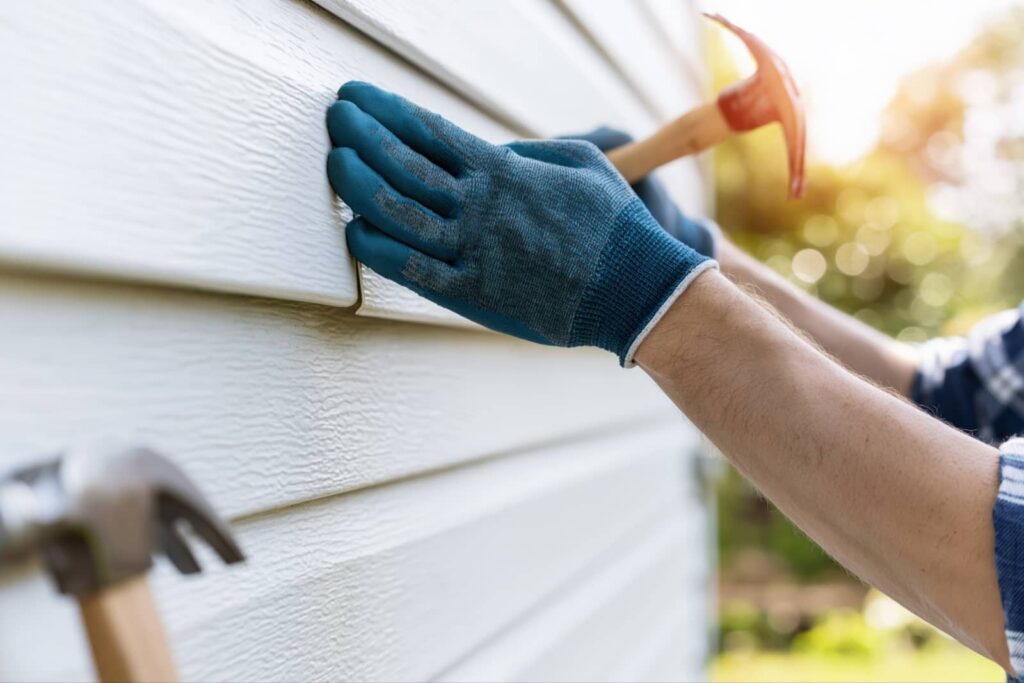
When you choose a siding repair contractor, you need more than a low price. Check licensing, insurance, permits, and their track record on similar jobs. Ask for clear estimates, material details, warranty terms, and a realistic timeline. You should also review references and watch for vague answers or pressure tactics. The right contractor will protect your home and make the repair process easier, but a few key questions can reveal more than you expect.
Key Takeaways
- Verify the contractor is licensed, insured, and experienced with your specific siding material and local building codes.
- Review before-and-after photos, recent references, and online reviews for quality, durability, cleanup, and punctuality.
- Compare written estimates with the same scope, materials, labor details, warranties, and project timeline.
- Ask about flashing, moisture barriers, sealants, fasteners, and color matching to ensure proper repair and protection.
- Avoid contractors who pressure you, demand large upfront payments, or refuse clear answers and written documentation.
What to Look for in a Siding Repair Contractor
When you’re evaluating a siding repair contractor, start with the basics: proven experience, proper licensing and insurance, and a track record of repairing your specific siding material.
You want someone who diagnoses damage accurately, explains repair options clearly, and shows before-and-after photos of similar jobs. Look for clean workmanship, strong communication, and a realistic schedule that respects your home and time.
When choosing a siding repair contractor, ask how they match colors, source replacement panels, and handle hidden moisture or structural issues.
You’ll fit best with a crew that treats your project like a partnership, not a quick patch. A reliable pro listens, documents details, and stands behind the repair, so you can feel confident your home belongs in capable hands.
Check Licenses, Insurance, and Permits
Before you hire a siding repair contractor, verify that they hold a valid state license for the work they’re doing.
You should also confirm they carry liability insurance so you’re protected if damage or injuries happen on the job.
Make sure they’ll secure any required permits before work starts, since that helps keep the project compliant and avoids costly delays.
Verify State Licensing
Start by confirming that the siding repair contractor holds the proper state license for your area, because even small exterior repairs can fall under local building rules.
Ask for the license number, then verify it on your state’s contractor board website. You should also check that the name on the license matches the company that’ll do your work.
If your project needs a permit, make sure the contractor knows which office handles it and who’s responsible for pulling it. A licensed pro understands code requirements, inspection timing, and the paperwork that keeps your job moving.
When you verify state licensing up front, you join the homeowners who protect their project, avoid delays, and work with a crew that takes compliance seriously.
Confirm Liability Coverage
Next, confirm the contractor’s liability coverage so you’re not left exposed if something goes wrong on site. Ask for current proof of general liability and workers’ compensation, then verify the policy names, dates, and coverage limits match the company you’re hiring.
You want a crew that stands behind its work and protects your home, your neighbors, and your wallet. If a ladder slips or materials damage nearby surfaces, solid coverage helps keep the project on track. Call the insurer directly if anything looks off, and don’t rely on a verbal promise.
Ask for a certificate of insurance and keep a copy for your records. When a contractor is transparent about coverage, you can feel confident you’re choosing a professional team that treats your property with care.
Secure Required Permits
Verify that your contractor can pull the permits your siding repair requires and that their license is current and appropriate for the work.
You want someone who knows your local building code, submits paperwork on time, and schedules inspections without slowing your project.
Ask for the license number, insurance certificates, and permit history, then confirm them with the issuing agency yourself.
If the contractor says the job doesn’t need a permit, verify that claim with your city or county office.
Permits protect your home’s value, keep the repair legal, and help you avoid fines or forced rework.
When you choose a contractor who handles this cleanly, you’re joining a group of homeowners who plan ahead, keep standards high, and get siding repairs done right the first time.
Review Past Siding Repair Work
A contractor’s portfolio can tell you a lot about the quality of their siding repairs, so take time to review recent projects before you hire.
Look for clear before-and-after photos, straight repair lines, tight seams, and color matching that blends with the home. Ask whether they’ve handled your siding type, whether vinyl, fiber cement, wood, or engineered products, and request examples from projects similar to yours.
You should also check if the work shows proper flashing, moisture protection, and trim integration, because those details help prevent callbacks.
If possible, visit an active or completed job site and see how the crew protects nearby surfaces.
When you speak with past clients, ask if the repair held up through seasons. Good contractors welcome that scrutiny; it shows they take pride in joining a trusted local standard.
Compare Siding Repair Contractor Estimates
When you compare siding repair estimates, check that each contractor spells out the same scope of work so you can compare repairs line by line.
You should also review material costs to confirm they match the siding type, underlayment, trim, and fasteners your project needs.
Then evaluate labor pricing to see whether the crew rate reflects the job’s complexity, access, and expected finish quality.
Compare Scope Details
How do the estimates really compare once you look past the price tag? You need to line up each contractor’s scope side by side and see exactly what they’re promising.
Check whether they’ve included removal of damaged siding, surface prep, trim work, sealing, caulking, cleanup, and final inspection. You should also note if they spell out access limits, weather delays, and warranty coverage.
When one bid feels cheaper, it may simply leave out steps your home actually needs. Ask each contractor to clarify vague language, so you’re not guessing later.
A solid estimate shows they understand your project and respect your budget. When the scopes match, you can compare the bids fairly and choose the team that fits your home and gives you confidence.
Check Material Costs
Material costs can make a siding repair estimate look better or worse at first glance, so you should check exactly what each contractor plans to use. You want the brand, grade, thickness, finish, and color match listed clearly, because small differences can change durability and appearance.
Ask whether the price includes fasteners, trim pieces, sealants, house wrap, and any special order panels, since missing items can trigger surprise add-ons later. If one bid uses low-cost materials and another specifies premium components, compare them by expected lifespan, not just the total.
You’re part of the process when you ask direct questions and request written product sheets. That way, you and your contractor stay aligned on quality, fit, and the finished look your home deserves.
Evaluate Labor Pricing
Labor rates can hide major differences between siding repair bids, so you should compare what each contractor is actually charging for time, crew size, and scope.
Ask whether the estimate covers demo, prep, install, cleanup, and minor trim work, because a low hourly rate can rise fast when tasks are excluded.
You should also check if the crew is experienced with your siding type, since seasoned installers usually work faster and waste less material.
Request a breakdown of labor hours and confirm whether the contractor uses employees or subs.
In your circle of homeowners and property pros, the best bids feel transparent, not vague.
When pricing is clear, you can judge value, not just cost, and choose the team that’ll finish strong.
Check Reviews and Ask for References
Before you hire a siding repair contractor, check online reviews and ask for references to see how they handle real projects.
Read recent feedback on multiple platforms, not just one site, so you can spot patterns in communication, cleanup, punctuality, and problem solving.
Look for detailed comments from homeowners with jobs like yours; those reviews usually reveal more than star ratings alone.
Then ask the contractor for two or three references and call them yourself.
Ask whether the crew showed up on time, respected the property, and finished work that held up well.
A reliable contractor won’t dodge these questions.
When you compare reviews and references, you’ll feel more confident joining the group of homeowners who hire wisely and avoid costly surprises.
Ask About Materials, Warranties, and Timeline
What materials will the contractor use, and how long will the repair take from start to finish? You should ask for the exact siding brand, grade, fasteners, sealants, and underlayment they’ll install, so your repair blends in and performs well.
A solid contractor will explain why those products suit your home’s exposure, climate, and existing finish. Next, get warranty details in writing. You want to know what’s covered, for how long, and whether labor and materials are both protected.
Then ask for a clear timeline with milestones for inspection, ordering, repair, cleanup, and final walkthrough. When you understand the plan, you can feel confident you’re joining a homeowner network that values quality, transparency, and dependable workmanship.
Watch for Common Hiring Red Flags
Once you’ve compared materials, warranties, and timelines, the next step is spotting warning signs that a siding repair contractor may cut corners or cause delays.
You should pause if a bidder won’t give a written estimate, dodges direct questions, or pressures you to sign today. Vague answers about permits, crew size, or project sequencing often signal weak planning.
If the contractor asks for a large upfront payment without a clear schedule, that’s another red flag. You also want to watch for inconsistent references, missing insurance details, or a portfolio that looks borrowed.
Trust your gut when communication feels rushed or dismissive; solid pros respect your concerns and explain their process plainly.
In a reliable trade community, transparency isn’t optional—it’s how you protect your home.
Choose the Right Contractor
How do you choose the right siding repair contractor? You compare licensed, insured pros who specialize in your siding type, then you check recent local references and photos of finished work.
Ask how they’ll match materials, manage moisture barriers, and handle trim details, because those choices affect durability and curb appeal. You want a contractor who gives a clear written scope, realistic timeline, and itemized estimate, so you know exactly what your project includes.
Look for crews that communicate well, respect your property, and answer questions without pressure. When you choose someone who’s proven, transparent, and skilled, you’re joining the kind of homeowners who protect their homes the right way.
That confidence starts with a contractor who treats your siding like their own.
Frequently Asked Questions
How Do Weather Conditions Affect Siding Repair Scheduling?
Weather delays siding repairs because rain, freezing temperatures, and high winds can prevent proper sealing and installation. You’ll get better results when you schedule during dry, mild weather, letting crews work safely and efficiently.
Can Siding Repairs Increase My Home’s Energy Efficiency?
Yes—like sealing a ship’s hull before rough seas, your siding repairs can cut drafts, stop moisture intrusion, and improve insulation. You’ll lower energy loss, stabilize indoor temperatures, and boost comfort when you fix gaps promptly.
What Siding Materials Resist Hail and Storm Damage Best?
Fiber-cement and engineered wood resist hail well; insulated vinyl can flex, too. You’ll want impact-rated steel or aluminum in severe storms. Check thickness, warranties, and local wind ratings before you choose.
How Often Should Siding Be Inspected After Repairs?
You should inspect siding after repairs twice yearly; hidden issues can surface within one season. You’ll catch loose seams, moisture intrusion, and warping early, helping your crew maintain a strong, trusted exterior together.
Will Repair Work Match My Existing Siding Color and Texture?
Yes, your repair can match closely if you provide clear photos, and your contractor orders samples, checks manufacturer specs, and tests finishes. You’ll feel confident when they compare texture, grain, and fade before installing.
Recap
When you choose a siding repair contractor, you’re protecting more than exterior panels—you’re guarding your home’s first line of defense. Look for solid credentials, proven workmanship, and clear estimates that spell out materials, warranties, and timelines. Trust contractors who answer directly, respect your property, and avoid pressure tactics. When their process feels as steady as a well-sealed wall in a storm, you can move forward with confidence and lasting peace of mind.