
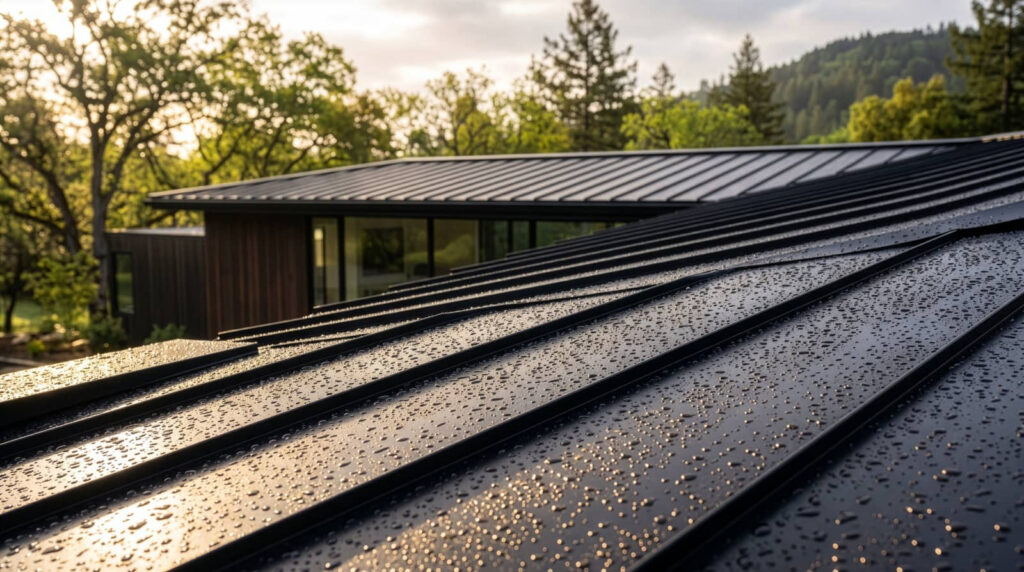
If you’re weighing metal roofing, you’ll want to know that it can last 40 to 70 years or more, but metal roofing lifespan and durability depend on factors such as the material, coating, installation, and maintenance. You’re not just buying a roof; you’re investing in resistance to fire, moisture, corrosion, and severe weather. That durability can help lower replacement and repair costs over time, but a few factors can shorten or extend its service life in ways you might not expect.
Key Takeaways
- Metal roofing typically lasts 40 to 70 years or more, far outlasting asphalt shingles.
- Durability matters because metal resists fire, decay, insects, cracking, and moisture damage.
- Protective coatings and proper fasteners help prevent corrosion and withstand expansion, contraction, and harsh weather.
- Regular inspections after storms and routine maintenance extend lifespan by catching loose seams, damaged sealant, or debris buildup early.
- Long-term durability lowers repair and replacement costs while improving energy efficiency and overall lifecycle value.
How Long Does Metal Roofing Last?
Metal roofing can last 40 to 70 years or more, depending on the material, coating, climate, and installation quality. You can expect strong metal roofing lifespan and durability when you choose the right panel profile and keep up with routine inspections.
In many homes, steel and aluminum systems outperform asphalt by decades, so you’re joining a long-term protection class. Your actual service life depends on exposure, maintenance, fastener condition, and roof design details.
If you live in a harsh coastal or high-sun area, you may need more frequent checks. With proper care, your roof can stay watertight, stable, and efficient for generations.
That’s why metal roofing remains a practical choice for homeowners who want lasting performance and fewer replacement cycles.
Why Metal Roofs Last So Long
Because their core materials resist decay, fire, and insect damage, metal roofs often outlast many other roofing types.
You get durability because panels shed water fast, don’t absorb moisture, and stay stable under sun, wind, and temperature swings.
Protective coatings slow corrosion, so your roof keeps its strength even in harsh climates. Fasteners and seams are engineered to move with expansion and contraction, reducing stress that can shorten service life.
You also benefit from a system that resists cracking, splitting, and warping, which helps preserve performance year after year.
When you choose metal, you join homeowners who value a roof built for low maintenance and reliable protection.
That practical design is why metal roofs keep performing long after many alternatives need replacement.
Metal Roof Lifespan by Material
You’ll see different lifespans depending on the metal you choose.
Steel roofs often last 40 to 70 years when you maintain their coatings and fasteners, while aluminum roofs can last 50 years or more because they resist corrosion well.
Your climate, finish quality, and maintenance schedule all affect how long each material performs.
Steel Roof Lifespan
Steel roofs typically last 40 to 70 years, with lifespan depending on panel gauge, coating quality, climate, and installation. When you choose a steel system, you’re investing in a tough shell that resists fire, wind, and impact.
You’ll get the best results when you keep fasteners tight, seal penetrations, and inspect after storms.
- Clean, matte panels under harsh sun
- Tight seams shedding rain fast
- Snow sliding off a steep slope
- Solid trim protecting roof edges
In your neighborhood, that kind of performance helps you feel secure and consistent year after year.
Galvanized and galvalume finishes slow corrosion, but standing water and scratched coatings shorten service life. Plan routine maintenance, and you’ll keep your roof looking sharp and performing well for decades.
Aluminum Roof Longevity
Aluminum roofing often lasts 40 to 60 years, and it’s a smart choice when corrosion resistance matters more than extreme hardness.
You get strong performance in coastal air, rainy climates, and areas with frequent freeze-thaw cycles because aluminum won’t rust. It’s lighter than steel, so you place less stress on your structure and often simplify installation.
You still need proper coating, fasteners, and routine inspections to protect against dents, seal failures, and oxidation at cut edges.
If you want a roof that fits a community of practical homeowners who value reliability, aluminum can deliver.
Choose quality panels, keep gutters clear, and address damage quickly, and you’ll maximize service life while maintaining consistent weather protection for decades.
How Weather Affects Metal Roof Life
Weather can markedly shape how long a metal roof performs, especially when it faces repeated sun, rain, wind, hail, or snow. You’ll notice that heat cycles expand and contract panels, which can loosen fasteners and stress seams.
Moisture can linger at overlaps, while wind can lift edges and drive debris into exposed areas. Hail may dent panels, and snow can add weight that tests supports.
- Sun-baked ridges
- Rain-slick seams
- Wind-tossed flashing
- Snow-loaded panels
When you inspect your roof after storms, you stay ahead of small problems that can shorten service life.
With regular checks and quick repairs, you protect your home, keep your roof performing, and join other owners who value dependable, long-term defense.
Which Metal Roof Coatings Last the Longest?
After you consider how sun, moisture, and wind wear on a roof, the next factor is the coating that shields the metal itself.
If you want the longest service life, PVDF fluoropolymer coatings usually lead the field because they resist fading, chalking, and chemical breakdown better than most finishes.
High-quality silicone-modified polyester can also perform well, but it typically won’t match PVDF’s long-term stability.
You’ll often see galvanized or galvalume steel paired with factory-applied coatings, and that combination helps the panel stay strong and attractive.
Zinc-rich systems and aluminum-based finishes add corrosion resistance, especially in harsher environments.
For a roof that ages well with your home, choose a coating rated for UV exposure, moisture, and salt air.
That’s how you protect your investment and stay confident in your roof.
Why Installation Quality Matters
Your metal roof’s durability depends on how well you install it, not just on the panel material.
You need proper fastening techniques to hold panels securely and prevent movement under wind and thermal expansion.
You also need sealed joints and flashing to keep water out at seams, penetrations, and edges.
Proper Fastening Techniques
Proper fastening keeps metal roofing panels secure against wind uplift, thermal movement, and moisture intrusion, so installation quality directly affects how long the roof performs.
You want fasteners set straight, driven to the right depth, and spaced to match the panel profile. When crews overdrive screws, they crush washers and weaken holding power. When they underdrive them, panels can loosen and rattle over time.
Use fasteners approved for your roof system, and make sure each one bites firmly into the framing or decking below.
- Straight rows of tight screws
- Even panel alignment
- Solid contact at every rib
- A roof that stays quiet and stable
Sealed Joints And Flashing
When joints and flashing aren’t sealed correctly, water can work into seams, roof penetrations, and alterations, which shortens the roof’s service life and can damage the structure below.
You need tight sealant lines, proper overlap, and compatible flashing at valleys, vents, chimneys, and wall intersections. If you miss these details, wind-driven rain can bypass the panels even when the metal itself is sound.
You also want clean surfaces before sealing, because dirt, oil, and moisture weaken adhesion. Inspect laps, fasteners, and changes after installation and during routine maintenance.
When you get these details right, you protect the whole roofing system and stay in the group of owners who get lasting performance, fewer leaks, and better long-term value from their metal roof.
Metal Roof Maintenance That Extends Life
Regular maintenance helps a metal roof last longer by preventing small issues from turning into costly damage. You can protect your roof by cleaning debris, checking fasteners, and keeping drainage paths open after storms.
A simple routine keeps your system efficient and gives you confidence that your home stays covered.
- Clear leaves from valleys and gutters.
- Rinse dirt from panels with low-pressure water.
- Trim branches that scrape the surface.
- Inspect sealant around vents and edges.
When you stay consistent, you support coating performance and reduce corrosion risk.
You’re not just maintaining metal; you’re preserving a durable roof that works with your home and your community for decades.
Signs Your Metal Roof Needs Repair
Even durable metal roofing can need repair if you notice loose fasteners, lifted seams, damaged flashing, rust spots, or water stains inside your home.
You should also watch for dented panels, cracked sealant, and noise that’s new during wind or rain. These signs often point to movement, moisture intrusion, or failing joints that can spread fast.
If you see staining on ceilings, bubbling paint, or daylight around penetrations, schedule an inspection quickly. Don’t wait for leaks to worsen; small defects can compromise the roof’s protective barrier and shorten its service life.
A qualified roofer can tighten hardware, replace worn sealants, and restore weatherproofing before damage reaches framing or insulation.
Staying alert helps you protect your home and stay confident in your roof’s performance.
Metal Roofing vs. Asphalt Shingles for Durability
Compared with asphalt shingles, metal roofing typically lasts much longer and stands up better to wind, impact, and moisture.
You get a tighter, more stable roof system that resists cracking, curling, and granular loss as seasons change. Asphalt shingles can work well, but they usually wear faster under heat, UV exposure, and storm stress.
Metal panels keep their shape and shed water efficiently, so your home stays better protected in harsh conditions. When you compare materials, focus on the roof’s ability to keep performing year after year.
- Wind pushing across clean panel edges
- Rain sliding off a smooth surface
- Hail striking without obvious damage
- Sun beating down on a solid roof
How Metal Roofing Saves Money Over Time
Metal roofing can lower your long-term costs because it typically needs fewer repairs, lasts decades longer, and reduces replacement frequency.
You also cut labor costs tied to tear-offs, disposal, and repeated installation cycles. Because metal resists wind, fire, rot, and impact better than many alternatives, you’re less likely to face emergency fixes after severe weather.
That stability helps you budget with confidence and stay aligned with a neighborhood of homeowners who value smart, low-maintenance choices.
Many metal systems also improve energy efficiency by reflecting solar heat, which can trim cooling bills in warm seasons.
When you factor in warranty coverage, resale appeal, and lower lifecycle expenses, metal roofing often costs less per year than cheaper materials that wear out sooner.
Conclusion
In the end, your metal roof can protect your home for decades, often 40 to 70 years or more, if you keep up with inspections and repairs. That’s a huge lifespan compared with asphalt shingles. You get better resistance to fire, moisture, and severe weather, plus lower long-term maintenance costs. If you want a roofing system that works hard and lasts, metal roofing is a rock-solid investment you’ll appreciate year after year.