
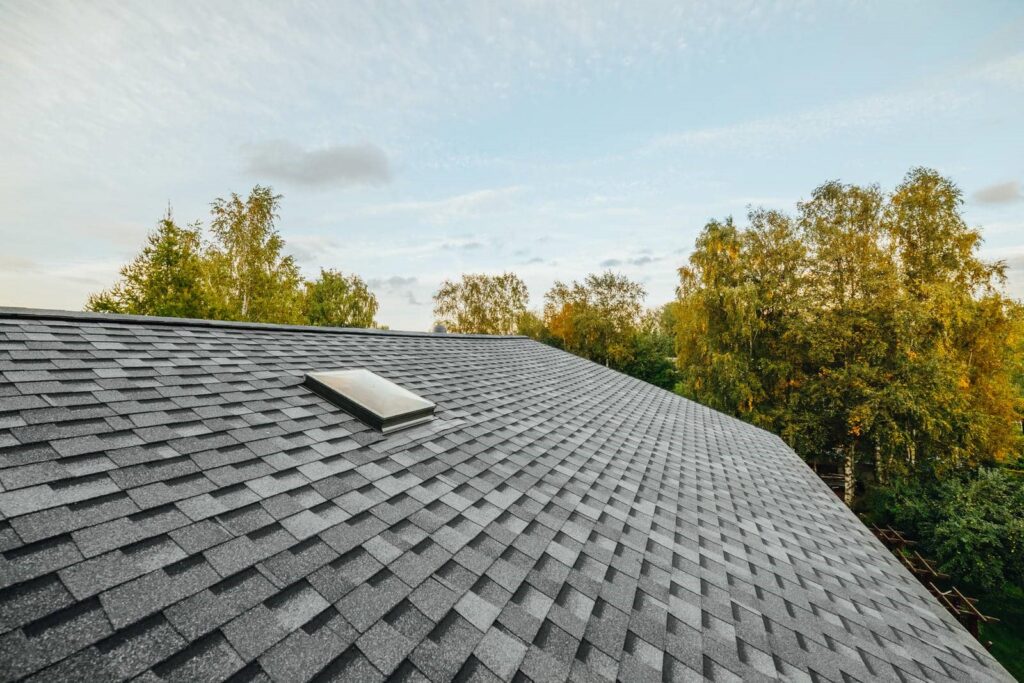
When it comes to selecting roofing materials for your replacement project, you’re not just making a choice; you’re investing in the long-term integrity of your home. Each material offers distinct advantages and drawbacks, and understanding these can greatly impact your decision. From the affordability of asphalt shingles to the durability of metal roofing, the options can be overwhelming. You’ll want to evaluate various factors before settling on the right one for your specific needs.
Key Takeaways
- Assess local climate conditions to select materials that withstand environmental stresses and enhance energy efficiency.
- Consider the initial and long-term costs, including maintenance and potential energy savings from durable materials.
- Evaluate the aesthetic appeal of roofing materials to complement your home’s design and increase property value.
- Prioritize materials with eco-friendly options, like recycled or natural materials, to reduce environmental impact.
- Ensure professional installation for optimal performance and longevity, adhering to local building codes and weather conditions.
Understanding Different Roofing Materials
When you’re considering roofing materials, it’s essential to understand the various options available, as each type offers distinct advantages and disadvantages.
Tile roofing, for instance, provides exceptional durability and aesthetic appeal, making it a favorite in warmer climates. Its ability to withstand harsh weather conditions is a notable benefit.
On the other hand, flat roofs are often more cost-effective and easier to install, making them a practical choice for commercial buildings and modern homes. However, they may require more maintenance due to drainage issues.
Pros and Cons of Asphalt Shingles
Although asphalt shingles are one of the most popular roofing materials, they come with both benefits and drawbacks that homeowners should carefully consider.
On the plus side, asphalt shingles offer a lower installation cost compared to other materials, making them accessible for many budgets. They’re also relatively easy to install, which can save you time and labor expenses.
However, the asphalt lifespan typically ranges from 15 to 30 years, which may not be ideal for those seeking a long-term solution. Additionally, they can be vulnerable to extreme weather conditions, leading to potential replacements sooner than expected.
Weighing these pros and cons can help you make an informed decision that aligns with your roofing needs.
Benefits of Choosing Metal Roofing
Metal roofing offers a range of advantages that make it an appealing choice for homeowners. One significant benefit is its durability; metal roofs can last 40-70 years, far outpacing traditional materials. They resist extreme weather, minimizing the risk of leaks and damage.
Additionally, metal roofing styles are diverse, allowing you to choose finishes that complement your home’s aesthetic.
Another key advantage is energy efficiency; reflective metal surfaces help reduce cooling costs in warmer climates. Plus, metal roofs are lightweight, reducing stress on your home’s structure.
They’re also low maintenance, requiring minimal upkeep over the years. With these metal roofing advantages, you can feel confident that you’re making a wise investment in your property’s future.
Eco-Friendly Roofing Materials: What to Consider
When selecting eco-friendly roofing materials, you should consider sustainable options that minimize environmental impact.
These materials often enhance energy efficiency, leading to reduced utility costs over time.
Additionally, investing in eco-friendly roofing can yield significant long-term savings, making it a smart choice for both your wallet and the planet.
Sustainable Material Options
In recent years, eco-friendly roofing materials have gained significant attention, and for good reason. Choosing sustainable options not only enhances your home’s aesthetic but also contributes to environmental preservation.
Consider using recycled materials like metal or rubber, which minimize waste and reduce the demand for new resources. These materials offer durability and longevity, making them a practical choice for any homeowner.
Additionally, natural alternatives, such as wood shakes or clay tiles, provide excellent insulation and blend well with various architectural styles. By opting for these sustainable materials, you’re making a responsible decision that can lead to long-term benefits for both your home and the planet.
Embrace eco-friendly roofing, and feel good about your impact on the environment.
Energy Efficiency Benefits
Opting for eco-friendly roofing materials not only promotes sustainability but also substantially enhances energy efficiency in your home.
These materials often feature excellent insulation types that help maintain a stable indoor temperature, reducing your reliance on heating and cooling systems.
Additionally, many eco-friendly roofs are compatible with solar panels, allowing you to harness renewable energy directly from your rooftop.
This synergy can considerably lower your energy bills and your carbon footprint.
When choosing your roofing, consider materials like metal or reflective shingles, which can improve energy efficiency by reflecting sunlight.
Long-Term Cost Savings
While many homeowners focus on the initial costs of roofing materials, it’s crucial to recognize the long-term savings that eco-friendly options can provide. By choosing sustainable materials, you’re making a long-term investment that can greatly reduce your maintenance costs over time.
Eco-friendly roofs often have longer lifespans and require less frequent repairs, translating to fewer expenditures in the future. Additionally, energy-efficient materials can lower your utility bills, further enhancing your savings.
When you consider the potential for tax incentives and increased home value, the financial benefits become even clearer. Ultimately, selecting eco-friendly roofing materials not only supports environmental sustainability but also fosters a sense of belonging within a community that values responsible living and smart financial choices.
Key Factors for Choosing Roofing Materials
When selecting roofing materials, you need to take into account both climate and material durability.
The local weather conditions can greatly impact the lifespan and effectiveness of your roof.
Choosing a durable material that withstands your area’s specific climate will guarantee long-term performance and protection.
Climate Considerations
Choosing the right roofing materials can greatly impact your home’s performance, especially when considering the climate in your area. Different climates can notably affect the longevity and efficiency of your roof.
For instance, in regions with heavy snowfall, materials with high snowload capacity are essential. Conversely, in warmer climates, reflective materials can reduce heat absorption, mitigating energy costs.
Understanding these regional variations allows you to make informed choices that minimize climate impact. Additionally, consider local weather patterns, including wind and rain intensity, which can dictate the suitability of certain materials.
Material Durability
Understanding material durability is essential for ensuring your roof withstands the test of time and varying environmental stresses. When selecting roofing materials, consider their material lifespan and weather resistance.
High-quality materials, like metal or slate, often offer extended lifespans, reducing the need for frequent replacements. Look for options with proven weather resistance to protect against harsh conditions, such as heavy rain, snow, or UV rays.
Additionally, evaluate the manufacturer’s warranty, as a longer warranty typically indicates a commitment to durability. By prioritizing these factors, you’ll not only enhance your roof’s performance but also contribute to the overall value of your home.
Ultimately, choosing durable materials fosters a sense of security and belonging within your living environment.
Budgeting for Your Roof Replacement Project
How can you guarantee your roof replacement project stays within budget? By understanding the roofing costs involved and obtaining accurate project estimates, you can make informed decisions. Here’s how to effectively budget for your project:
Research Material Costs: Compare different roofing materials to find a balance between quality and affordability.
Get Multiple Estimates: Reach out to several contractors to guarantee competitive pricing and transparency.
Include Contingency Funds: Set aside 10-15% of your budget for unexpected expenses.
Plan for Long-Term Savings: Invest in durable materials that may lower future repair and maintenance costs.
Frequently Asked Questions
How Long Can I Expect My New Roof to Last?
You can expect your new roof to last 20 to 50 years, depending on materials. Regular maintenance tips, like inspections and cleaning, can greatly enhance your roof lifespan, ensuring it protects your home effectively.
What Warranties Are Typically Offered on Roofing Materials?
Warranties on roofing materials are like safety nets; they provide peace of mind. Common warranty types include manufacturer’s and installation warranties, often covering material longevity ranging from 20 to 50 years, ensuring you’re protected long-term.
Can I Install New Roofing Over My Existing Roof?
Yes, you can install new roofing over your existing roof, but check local roofing regulations first. This method may reduce installation costs, though verify the underlying structure can support the added weight for safety.
How Do Weather Conditions Affect Roofing Material Performance?
Weather conditions greatly affect roofing performance. Extreme temperatures cause thermal expansion, which can lead to material stress. Additionally, adequate moisture resistance is essential to prevent leaks and mold, ensuring your roof’s longevity and reliability under varying climates.
What Are the Best Roofing Options for Extreme Climates?
In extreme climates, think of sturdy metal roofs as shields against nature’s fury. Pair them with high-quality insulation types to enhance energy efficiency, ensuring your home stays cozy and protected, no matter the weather.
Final Thoughts
Selecting the right roofing material is like choosing the foundation of your home’s protection. By weighing factors like climate, cost, and durability, you’ll secure a roof that not only shields your property but also enhances its value. Remember, investing in quality materials and professional installation is the key to longevity. Don’t overlook eco-friendly options; they can contribute to a sustainable future. Make an informed choice, and your roof will stand strong for years to come.