
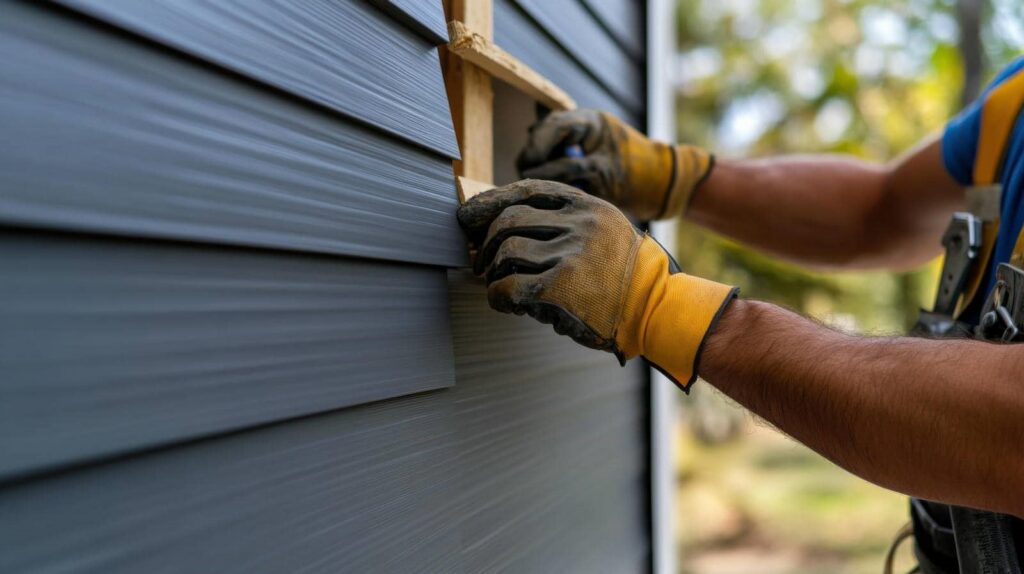
When it comes to selecting Siding Materials for cold climate homes, the right choice can greatly impact your home’s efficiency and longevity. You need materials that resist moisture, provide insulation, and withstand harsh conditions. Vinyl, fiber cement, and steel are among the top contenders, each with unique advantages. As you consider your options, it’s essential to understand how these materials stack up regarding durability and performance. What factors should you prioritize in your decision?
Key Takeaways
Vinyl Siding: Offers energy efficiency, low maintenance, and good insulation properties, making it ideal for cold climates.
Fiber Cement: Provides superior durability and weather resistance, ensuring long-lasting performance in harsh winter conditions.
Wood Siding: Delivers excellent insulation and aesthetic appeal, though it requires regular maintenance to protect against moisture and pests.
Steel Siding: Known for its high impact resistance and strength, making it suitable for extreme cold weather durability.
Insulation Integration: Combining siding with high-quality insulation, like spray foam or rigid foam, enhances energy efficiency and minimizes heat loss.
Why Siding Choice Matters in Cold Weather
When you live in a cold climate, choosing the right siding materials isn’t just about aesthetics; it directly impacts your home’s energy efficiency and durability. The wrong choice can lead to thermal bridging, where heat escapes through your walls, increasing energy costs and making your home less comfortable.
Opting for materials with better insulation properties can minimize this effect. Additionally, effective moisture management is essential in cold weather. Siding that allows for proper drainage and ventilation will prevent water accumulation, reducing the risk of mold and rot.
Understanding Insulation: Key Factors for Cold Climate Siding
Understanding insulation is essential for selecting siding materials that can withstand the rigors of cold climates. Different insulation types play a vital role in minimizing heat loss and preventing thermal bridging. When choosing siding, consider how well it integrates with insulation to enhance energy efficiency.
| Insulation Type | Benefits |
|---|---|
| Fiberglass | Affordable, good R-value |
| Spray Foam | Excellent air sealant, high R-value |
| Cellulose | Eco-friendly, good soundproofing |
| Rigid Foam | Moisture resistant, versatile |
Comparing the Best Insulating Siding Materials for Cold Climates
When choosing siding for cold climates, it’s essential to compare the insulating properties of vinyl and fiber cement.
Vinyl siding offers excellent energy efficiency and low maintenance, while fiber cement provides superior durability and resistance to harsh weather conditions.
Understanding these differences can help you make an informed decision for your home.
Vinyl Siding Advantages
Although many siding materials claim to provide superior insulation, vinyl siding stands out for its unique combination of affordability, energy efficiency, and low maintenance.
Here are three key advantages that make it a top choice for cold climates:
Vinyl Durability: Resistant to harsh weather conditions, vinyl siding can withstand freezing temperatures without cracking or warping.
Energy Efficiency: Insulated vinyl options help reduce heat loss, keeping your home warm and lowering energy bills during winter months.
Low Maintenance: Unlike wood or fiber cement, vinyl requires minimal upkeep, allowing you to focus on enjoying your home rather than constant repairs.
Choosing vinyl siding means investing in a resilient material that complements your lifestyle and enhances your home’s comfort.
Fiber Cement Performance
As you explore siding options for cold climates, fiber cement emerges as a strong contender due to its impressive insulating properties and durability. This material effectively withstands harsh weather, ensuring your home remains cozy and energy-efficient.
Fiber cement’s durability means it resists cracking, warping, and moisture damage, making it a long-lasting choice for your home.
When it comes to fiber cement installation, professional expertise is essential. Proper installation secures peak performance, preventing air leaks and enhancing insulation.
Additionally, fiber cement’s versatility allows you to achieve various aesthetic styles while maintaining energy efficiency. By choosing fiber cement, you’re investing in a reliable siding solution that meets the demands of cold climates, fostering a sense of security and belonging in your home.
How Vinyl Siding Holds Up in Cold Climates?
When considering vinyl siding for cold climates, you’ll find it offers decent insulation properties that can help maintain your home’s temperature.
Its resistance to cracking ensures durability against harsh winter conditions, minimizing the need for frequent repairs.
Additionally, vinyl requires minimal maintenance, making it a practical choice for homeowners facing extreme cold.
Insulation Properties of Vinyl
Vinyl siding offers impressive insulation properties that make it a viable choice for homes in cold climates. Its exceptional thermal performance helps maintain comfortable indoor temperatures, reducing heating costs.
Here are three key benefits of vinyl siding:
Vinyl Durability: It withstands harsh winter conditions without warping or cracking, ensuring long-lasting protection.
Energy Efficiency: The insulation value of vinyl helps minimize heat loss, keeping your home cozy.
Moisture Resistance: Vinyl’s non-porous surface prevents moisture buildup, which can lead to mold and mildew, essential in cold, damp climates.
Resistance to Cracking
While extreme cold can challenge many siding materials, vinyl siding is engineered to resist cracking under such conditions. Its design incorporates material flexibility, allowing it to expand and contract without compromising structural integrity.
This flexibility is essential for cracking prevention as temperatures drop, minimizing the risk of brittle failure common in rigid materials. Unlike wood or fiber cement, which can warp or split, vinyl maintains its form, ensuring your home’s exterior remains intact and visually appealing.
Additionally, modern vinyl is manufactured with advanced additives that enhance its resilience against cold weather. By choosing vinyl siding, you’re investing in a durable solution that stands up to the harshest climates, providing you peace of mind and a sense of belonging in your home.
Maintenance in Cold Weather
Although cold climates can pose unique challenges, maintaining vinyl siding is straightforward and manageable. Proper care ensures siding longevity and winter readiness, allowing you to enjoy its benefits for years.
Here are three essential maintenance tips:
Regular Inspections: Check for cracks or loose panels regularly, especially after winter storms.
Clean Thoroughly: Remove dirt and ice buildup using a soft brush or low-pressure washer to prevent mold and mildew.
Sealant Application: Apply a high-quality sealant to edges and seams to enhance moisture resistance.
Why Choose Wood Siding: Aesthetic, Durability, and Insulation Benefits
Choosing wood siding for your cold climate home offers a blend of aesthetic appeal, durability, and insulation benefits that few other materials can match.
Wood siding aesthetics enhance your home’s charm, providing a warm, natural look that complements any architectural style. This material also boasts excellent insulation properties, helping you maintain comfortable indoor temperatures during harsh winters while reducing energy costs.
However, it’s essential to contemplate wood siding maintenance. Regular upkeep, such as staining or sealing, protects against moisture and pests, ensuring longevity.
With proper care, wood siding can withstand the elements and retain its beauty for years. By selecting wood siding, you’re investing in a timeless, efficient solution that harmonizes with your environment and lifestyle.
Steel vs. Aluminum Siding: Which Offers Better Durability?
When comparing steel and aluminum siding for cold climate homes, it’s crucial to take into account their durability under harsh conditions. Here’s what you should know:
Steel Durability: Steel siding offers higher resistance to impact, making it less prone to dents and damage from extreme weather.
Aluminum Longevity: Aluminum siding is lightweight and resistant to rust but may be more susceptible to dents than steel.
However, it can last for decades with proper maintenance.
- Maintenance Needs: Steel typically requires less maintenance over time, while aluminum may need periodic painting to maintain its appearance.
Ultimately, both materials have unique benefits, but if you prioritize strength and resilience, steel might be your best bet for enduring cold climates.
What You Should Know About Siding Costs in Cold Climates
Understanding siding costs in cold climates is vital for homeowners looking to invest wisely. You’ll need to evaluate your siding budget carefully, as costs can vary considerably based on materials and installation expenses.
For instance, high-quality insulation is essential in colder regions, which can increase initial costs but save on energy bills over time. Labor expenses may also rise, given the challenges of working in adverse weather conditions.
It’s wise to obtain multiple quotes from contractors to ensure you’re getting a fair deal. Additionally, factor in potential long-term savings through durability and energy efficiency.
Maintenance Tips for Siding in Cold Weather
Although winter can be harsh on your siding, regular maintenance can greatly extend its lifespan and performance. To ensure siding longevity and protect against the elements, consider these weatherproofing techniques:
Inspect Regularly: Check for cracks, gaps, or loose panels. Early detection can prevent further damage.
Seal Gaps: Use caulk or weatherstripping to seal any openings. This helps reduce moisture infiltration and improves insulation.
Clean Thoroughly: Remove snow, ice, and debris. A clean surface prevents mold and mildew, which can compromise your siding.
Frequently Asked Questions
How Does Siding Impact Energy Efficiency in Winter Months?
Siding greatly impacts your home’s energy efficiency in winter. Proper siding insulation increases thermal resistance, reducing heat loss and lowering energy bills. By choosing the right materials, you enhance comfort and sustainability in your living space.
What Are the Best Colors for Siding in Cold Climates?
For cold climates, opt for darker colors like deep greens or browns. These hues enhance thermal absorption, retaining heat. Color psychology suggests warmth evokes comfort, fostering a sense of belonging in your home’s environment.
Can Siding Contribute to Ice Dam Formation?
Yes, siding can contribute to ice dam formation if it lacks proper insulation and moisture management. When heat escapes, it melts snow, creating a cycle that leads to dangerous ice buildup on your roof.
How Often Should Siding Be Replaced in Cold Weather?
You should replace siding every 20 to 50 years, depending on the material. Watch for replacement signs like warping, cracks, or peeling paint, which indicate your siding’s lifespan is nearing its end and needs attention.
What Siding Materials Are Most Environmentally Friendly for Cold Climates?
Think of Mother Nature smiling as you choose sustainable options like reclaimed wood or fiber cement. These materials boast excellent insulation properties, helping you create a cozy, eco-friendly home while reducing your carbon footprint.
Final Thoughts
In cold climates, choosing the right siding is essential for energy efficiency and long-term durability. For instance, homes with vinyl siding can see energy savings compared to those without, thanks to superior insulation. By understanding the unique benefits of materials like fiber cement and steel, you can enhance your home’s comfort and resilience. Always consider your specific needs and local weather conditions to make the best siding choice for your home.