
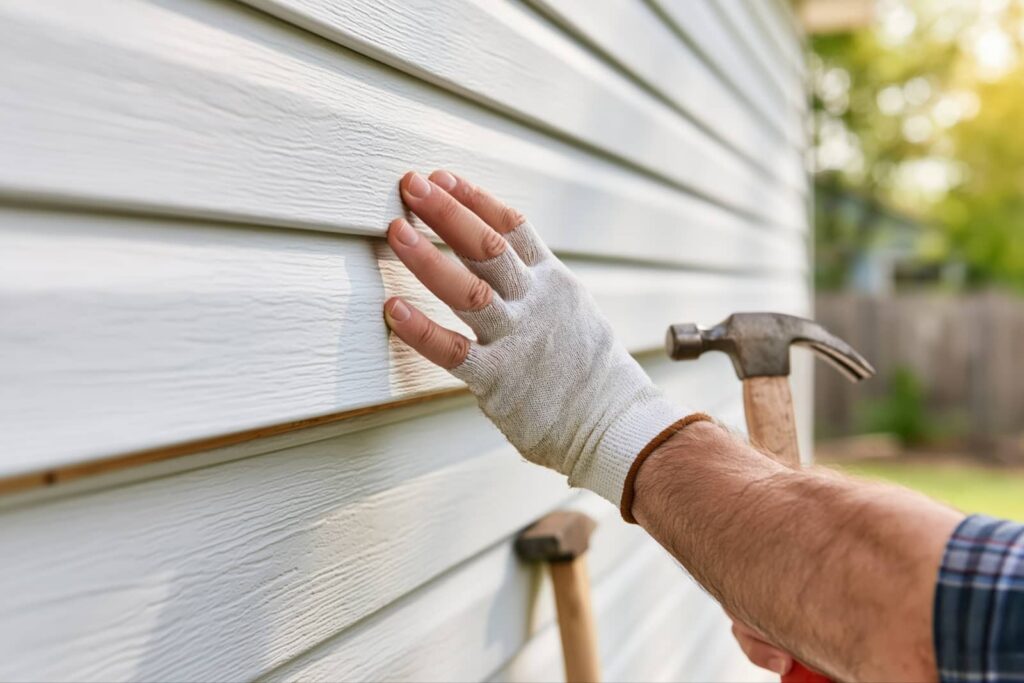
Like a well-planned renovation, siding installation usually takes a few days to a couple of weeks on average. You’ll see the timeline shift based on your home’s size, the siding material, and how much prep work the exterior needs. Weather can slow things down, too. If you want a smooth schedule and fewer surprises, it helps to know what really drives the pace.
Key Takeaways
- Siding installation usually takes a few days to two weeks, depending on home size, material, and exterior condition.
- A typical project includes removal, repairs, wall prep, installation, and final cleanup.
- Larger homes and two-story houses generally take longer than smaller, simpler homes.
- Heavier materials like fiber cement or brick take longer to install than vinyl siding.
- Weather delays and repair needs can extend the timeline, so flexibility and good communication are important.
How Long Does Siding Installation Take?
Siding installation usually takes a few days to a couple of weeks, depending on the size of your home, the material you choose, and the condition of the existing exterior.
You can expect a smaller project to finish faster, while a larger house needs more time for careful prep and installation.
If you’re planning ahead, ask your contractor how long siding installation takes for your specific home so you can set realistic expectations.
A clear schedule helps you feel prepared and keeps your project moving smoothly.
You’ll also want to leave room for cleanup and final checks, so the finished work looks solid and fits right in with your home’s style.
The Biggest Factors That Affect Installation Time
Your siding installation time mostly depends on the size and scope of the project, since larger homes or repairs usually take longer.
Weather can also slow the work if rain, wind, or extreme temperatures get in the way, and the material you choose can change how fast crews can install it.
Knowing these factors helps you set a more realistic timeline for your project.
Project Size And Scope
A home’s size and the project’s overall scope usually have the biggest impact on siding installation time.
If you’re covering a small, single-story house, you can expect a faster timeline than with a larger or multi-level home. More square footage means more cutting, measuring, and fastening, which adds days.
Scope matters too: a simple siding replacement goes quicker than a project that includes removing old siding, repairing sheathing, replacing trim, or updating housewrap.
If your home has many corners, dormers, or architectural details, your crew will need extra time to fit each piece correctly.
When you plan around the true size of the job, you’ll set realistic expectations and stay confident throughout the process.
Weather And Material Type
Weather can speed up or slow down siding work more than almost anything else. If rain, snow, high winds, or extreme heat show up, you may see delays because crews can’t safely cut, fasten, or seal materials.
Dry, mild days help your installer keep moving and protect your home from moisture during the process.
Material choice matters just as much. Vinyl usually goes up faster because it’s lightweight and easy to handle. Fiber cement, wood, and metal often take longer since they’re heavier, need more cutting, or require extra care.
If you want a smoother schedule, talk with your contractor about local weather patterns and your siding type. That way, you’ll know what to expect and feel confident the job’s on track.
How Siding Material Changes Project Length
Your siding material can change how long the job takes because heavier products usually need more handling and a stronger crew.
Different materials also use different installation methods, so some go up faster than others.
You should also expect extra time for cutting and fitting, especially with materials that need precise measurements.
Material Weight Matters
Heavier siding materials usually take longer to install because crews must handle, cut, and fasten them more carefully. If you choose fiber cement, brick veneer, or thick wood panels, your project may move slower than with lighter vinyl or engineered products.
That extra weight can mean more lifting, more crew coordination, and more attention during alignment, which adds time each day. You’ll also notice that bulky boards can be harder to maneuver around corners, windows, and trim details.
Lighter options often let installers work faster and keep momentum steady. If you want a smoother schedule, talk with your contractor about how material weight affects crew pace, delivery needs, and the overall timeline.
You’re not alone in balancing durability, style, and installation speed.
Installation Method Differences
Material weight affects speed, but the installation method can change your timeline even more.
If you choose vinyl, you’ll usually see faster progress because panels lock together quickly and don’t need much finishing.
Fiber cement often takes longer since it’s heavier and requires more careful fastening.
Wood siding can slow things down too, especially when your crew needs to align boards for a clean, even look.
Engineered products may install faster than natural materials, but only if your team knows the system well.
You’ll also notice that hidden fasteners, specialty trims, or layered systems add extra steps.
When you understand these differences, you can set realistic expectations, stay in sync with your contractor, and feel confident about your home’s upgrade.
Cut And Fit Time
Some siding materials take longer to cut and fit than others, and that difference can stretch your project timeline fast.
If you choose vinyl, your crew can usually trim panels quickly and keep moving. Fiber cement, wood, and metal often need more measuring, special blades, and careful handling, so you’ll wait longer.
You can expect delays around openings, corners, and custom trims, where precision matters most.
- Vinyl: fast cuts, simple fitting.
- Fiber cement: slower cuts, dust control needed.
- Wood or metal: extra shaping and careful alignment.
When you plan with your contractor, you stay in the loop and avoid surprises.
Ask how your material choice affects labor hours, because the right fit keeps your project on track and your crew working efficiently.
How House Size Affects Siding Installation Time
A bigger house usually takes longer to side because there’s more wall surface to cover, more cuts to make, and more time spent around corners, windows, and doors.
If you’re siding a small home, a crew can often move faster and finish in fewer days.
With a larger home, each elevation adds labor, ladder moves, and material handling, so the timeline stretches.
You’ll also notice that two-story houses usually take longer than single-story homes because crews spend extra time working higher up and shifting equipment.
Simple boxy layouts speed things up, while complex designs slow them down.
When you compare homes of different sizes, siding time rises with square footage, height, and shape, so your project schedule should match the house you’re actually covering.
What Prep Work Adds to Siding Installation Time?
Prep work can add a surprising amount of time to a siding project, even when the house size is straightforward. You may need more than installation day planning if your home needs cleanup, repairs, or removal first.
Crews often slow down to make sure your new siding fits right and lasts.
- Remove old siding, trim, or fixtures.
- Repair rotten sheathing, framing, or insulation.
- Add house wrap, flashing, and surface leveling.
If you join a well-run project, you’ll see this prep as protection, not delay. Your contractor may also spend time measuring, cutting, and staging materials so the crew can work efficiently.
That upfront effort helps your siding team stay organized, reduce mistakes, and give you a cleaner finish that feels worth the wait.
How Weather Delays Siding Installation
Weather can slow siding installation fast, especially when rain, high winds, freezing temperatures, or extreme heat make it unsafe or harder to work.
You may see crews pause for wet walls, slippery ladders, or materials that won’t handle well in bad conditions. Cold can make siding brittle and sealants less effective, while heat can cause panels to expand before they’re set.
If your project gets delayed, that doesn’t mean anything’s wrong; it usually means the team is protecting your home and their craft.
You can help by staying flexible and keeping in touch with your contractor. A short weather delay often beats rushed work, and when conditions improve, your siding crew can get back on track and finish it right together.
What a Siding Installation Schedule Looks Like
Most siding installation schedules start with a site visit, measurements, and material delivery, then move into prep work like removing old siding, repairing damaged sheathing, and adding house wrap or flashing.
You’ll usually see the crew split the job into clear stages, so you know what’s happening each day. A typical timeline looks like this:
- Day 1: Set up, protect your property, and start removal.
- Day 2: Complete repairs and prep the walls.
- Days 3–4: Install siding, trim, and finish details.
Your schedule may feel tighter or longer depending on your home’s size and siding type, but the process stays organized.
That structure helps you stay informed, stay connected with the crew, and feel confident your project’s moving forward.
How to Avoid Siding Installation Delays
You can avoid siding installation delays by planning ahead and keeping communication clear from the start. Confirm your material choice early, order everything before work begins, and ask your contractor to verify delivery dates.
Walk your property together so you both spot damage, moisture issues, or trim repairs that could slow progress. Share access details, pet needs, and neighborhood rules so the crew can work without interruptions.
Watch the weather forecast, since rain, wind, or freezing temperatures can pause installation. Stay responsive to questions, approvals, and change orders, because quick decisions keep the schedule moving.
If you need to be away, designate one contact who can answer promptly. Small steps like these help your project stay on track and keep your team working smoothly, together.
Frequently Asked Questions
Does Siding Installation Require Permits?
Yes, you’ll often need a permit for siding installation, especially if you change materials or alter structure. Check your local building department first, since rules vary, and skipping permits can cause delays, fines, or inspection issues.
Can Homeowners Stay in the House During Installation?
Yes, you usually can stay home during siding installation, but investigate your contractor’s work schedule first; crews’ll create noise and dust, yet you’ll keep comfort if they protect entrances and communicate clearly.
How Noisy Is Siding Installation?
You’ll hear plenty of noise: hammering, sawing, drilling, and occasional debris removal. It’s loudest during the day, especially near walls being worked on. You can expect disruptions, but crews usually keep things moving quickly.
Will Landscaping Be Protected During the Project?
Yes, you can expect good crews to protect your landscaping with tarps, plywood, and careful staging. You should point out delicate plants before work starts, and they’ll usually keep debris and foot traffic away from them.
Does Siding Replacement Increase Home Value?
Yes, you can boost your home’s value with new siding. You’ll improve curb appeal, energy efficiency, and buyer confidence. Your return depends on materials, neighborhood standards, and installation quality, but it’s often a smart investment.
Conclusion
In the end, you can usually expect siding installation to take a few days to a couple of weeks, depending on your home’s size, material, prep work, and the weather. If your project has a few hiccups, your contractor may need a little extra time to keep things on track. By planning ahead and staying in touch, you’ll avoid unnecessary slowdowns and help the job move along as smoothly as possible.