
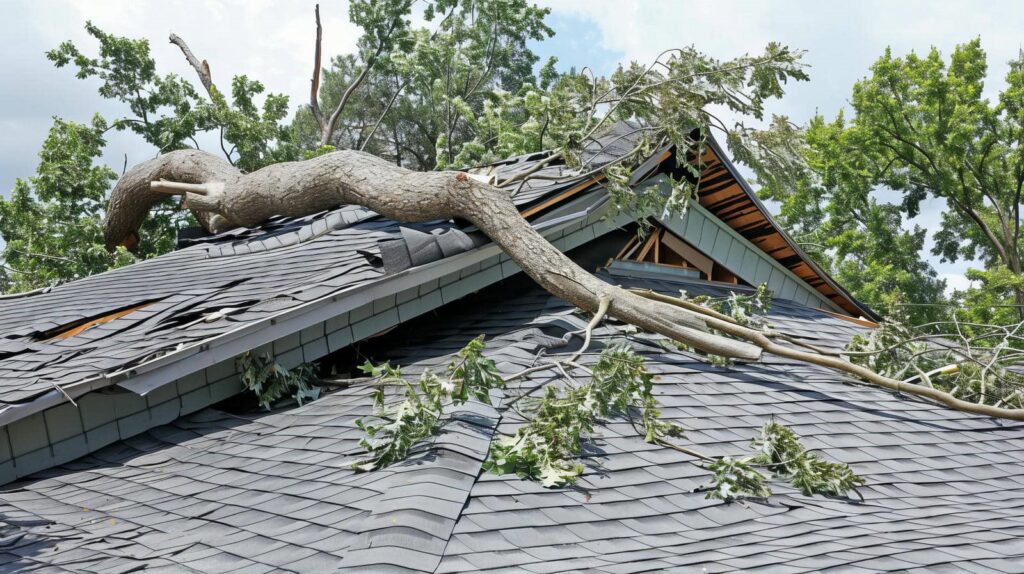
When you need storm damage repairs, you can’t afford to guess on the contractor you hire. You should look for prompt response times, proper licensing, and proof of insurance, then compare written estimates and local reviews for signs of consistency. A dependable contractor will explain the scope clearly, communicate well, and support you through the claim process. The right choice can protect your home, your budget, and your peace of mind.
Key Takeaways
- Choose a contractor with proper licensing, insurance, and proven experience in storm damage repairs.
- Look for fast response times, emergency protection options, and clear communication throughout the job.
- Verify current liability and workers’ compensation insurance before any work begins.
- Compare detailed written estimates, materials, warranty terms, and claim process support.
- Check local reviews, references, and past projects for reliability, cleanup, and quality workmanship.
What Makes a Storm Damage Repair Contractor Reliable?
A reliable storm damage repair contractor responds quickly, communicates clearly, and follows through on every step of the job.
When you’re choosing a storm damage contractor, look for proper licensing, insurance, and a strong local reputation. You want a team that inspects damage carefully, explains your options in plain language, and provides a detailed written estimate.
Reliability also means using quality materials, respecting your home, and keeping you informed as work progresses. A dependable contractor earns your trust by showing up prepared, answering questions honestly, and standing behind the repair.
When you choose someone who values accountability, you don’t just get repairs—you get peace of mind and a partner who helps you feel secure again after the storm.
Can They Respond Right Away?
When storm damage hits, you need a contractor who can assess the situation quickly and start the repair process without delay.
You should ask how soon they can arrive, how they handle emergency calls, and whether they offer temporary protection like tarping or board-up service.
A responsive contractor helps you feel supported when your home or business seems uncertain. They’ll keep you informed, set clear expectations, and move fast enough to limit further damage.
Look for a team that answers promptly, returns calls, and gives you a realistic arrival window. That kind of attention shows they understand what you’re facing and want to help you get back on solid ground with confidence.
Which Contractor Credentials Matter Most?
Fast response is only part of the equation; you also need to know the contractor is qualified to handle storm repairs correctly. You should look for proper state licensing, proven experience with storm damage, and training in roofing, siding, or structural repair.
Certifications from respected manufacturers or industry groups show they’ve met higher standards and stay current on best practices. Ask whether they handle the specific damage your home has, and request examples of similar projects they’ve completed.
A trustworthy contractor explains their process clearly, answers questions directly, and keeps you informed from start to finish. When you choose someone with the right credentials, you’re not just hiring a repair crew—you’re joining forces with a team that knows how to restore your home with care, skill, and confidence.
Check Insurance Before You Hire
Before you sign a contract, make sure the storm damage repair contractor carries both liability insurance and workers’ compensation coverage. You’re protecting your home, your finances, and the people working on your property.
Ask for current proof of coverage, and don’t settle for verbal assurances. A reputable contractor will share certificates without hesitation and can explain what each policy covers.
Liability insurance helps if the work causes accidental damage, while workers’ compensation protects you if someone gets hurt on site. If a contractor can’t document coverage, keep looking.
You deserve a team that treats your repair like a shared responsibility, not a gamble. Confirming insurance upfront gives you confidence, lowers risk, and helps you choose a contractor who’s prepared to stand behind the job from day one.
How to Read Contractor Reviews
Once you’ve confirmed a contractor’s insurance, take a close look at what past customers say about their work.
Read reviews with an eye for patterns, not one-off complaints or praise. You want to see whether the contractor communicates clearly, arrives when promised, and respects homes and neighbors.
Look for comments about cleanup, follow-through, and how they handled unexpected issues after the storm. Reviews from people in your area can help you feel connected to a contractor who understands local needs.
Pay attention to how the company responds to criticism, because respectful replies show accountability. If several customers mention the same strengths, that’s a strong sign you may be dealing with a team you can trust and feel confident joining.
How to Compare Repair Estimates
How do you compare storm repair estimates without getting overwhelmed? Start by lining up each bid side by side and checking that they cover the same scope of work, materials, labor, permits, and cleanup.
You’ll make better choices when you ask each contractor to explain how they arrived at their numbers. Look for clear line items, not vague totals, so you can see where your money goes.
If one estimate is much lower, confirm nothing important was left out. If another is higher, ask what extra value you’re getting.
You deserve a team that speaks plainly and treats your home like part of the neighborhood. When you compare details carefully, you can feel confident that you’re choosing a fair, complete repair plan.
What Red Flags Should You Avoid?
Watch for contractors who pressure you to sign immediately, refuse to provide a written estimate, or dodge basic questions about licensing, insurance, and timelines. Those warning signs often point to poor communication or unreliable service, and you deserve better.
You should also pause if a contractor asks for a large upfront payment, won’t explain how they’ll protect your property, or gives vague answers about who’ll complete the work. Trust your instincts when something feels off.
A dependable contractor respects your time, answers clearly, and helps you feel confident, not cornered. When you choose a team that communicates openly and treats you like a neighbor, you’re more likely to get repairs done right and with less stress after the storm.
Does They Have Roofing and Siding Experience?
You should ask whether the contractor has strong roofing repair skills, since storm damage often requires more than a quick patch.
You’ll also want proof that they understand siding damage, including how to spot hidden issues and match materials correctly.
A contractor with both skills can handle the repair more efficiently and help protect your home from future problems.
Roofing Repair Skills
Rooflines tell a story after a storm, and a contractor’s roofing repair skills should be able to read it clearly. You want a team that can spot lifted shingles, hidden leaks, damaged flashing, and weakened decking without guessing.
They should explain what they find in plain language, show you the repair plan, and help you feel confident you’re making the right call. A skilled roofer works cleanly, protects your property, and matches materials so the finished roof blends in and performs well.
Ask how they handle emergency tarping, structural checks, and insurance photos. When you choose a contractor with proven roofing repair experience, you’re not just fixing damage—you’re joining a process built on trust, care, and dependable results.
Siding Damage Knowledge
Siding often takes a hard hit in a storm, and a contractor with real siding damage knowledge can spot more than just visible dents or cracks.
You want a team that understands how wind, hail, and moisture affect both siding and roofing, because damage often spreads between systems. When they inspect your home, they should check for warped panels, loose seams, hidden punctures, and water intrusion behind the surface.
That kind of experience helps you avoid future repairs and keeps your home protected. You also deserve clear explanations, not guesswork, so choose someone who shows you what they found and why it matters.
A contractor with both roofing and siding skills helps you feel confident, supported, and part of a crew that truly knows how to restore your home.
What Warranty Terms Should You Expect?
You should expect clear warranty terms that spell out how long workmanship is covered, so you know the contractor stands behind the repair.
You’ll also want written details on any material warranties, including what the manufacturer covers and what could void that protection.
Ask how the claim process works and how long it should take, so you can get help quickly if an issue comes up later.
Workmanship Coverage Length
How long should workmanship coverage last, and what should it actually protect? You should expect a clear term, usually several years, that shows the contractor stands behind the labor, not just the cleanup.
This coverage should protect you from defects tied to installation, sealing, fastening, flashing, or other repair steps that fail because the crew didn’t do the job right.
Ask for the warranty in writing, with start and end dates, what’s included, and how to file a claim. A solid contractor explains response times and honors follow-up repairs without drama.
When you know the coverage is real, you can feel confident your home’s back in capable hands. That peace of mind matters, especially when you’re rebuilding after a storm and want to belong with people who care.
Material Warranty Details
Material warranties should spell out exactly what the manufacturer will cover, for how long, and under what conditions, so you’re not left guessing after the repair is done.
You should ask whether the materials are protected against defects, premature failure, and weather-related breakdowns, and whether the coverage applies to shingles, siding, flashing, or sealants.
Make sure you know if the warranty is transferable, because that can matter if you ever sell your home.
A trustworthy contractor will explain any exclusions, such as improper installation or normal wear.
When you choose a contractor who helps you understand these details, you’re joining a team that values your home and your peace of mind.
Clear warranty terms give you confidence that your repair is backed by more than a promise.
Claim Process Timeline
After storm damage, a clear claim process timeline can tell you what to expect from start to finish, including when the contractor should inspect the damage, document the loss, submit estimates, and coordinate with your insurer.
You should get an initial response quickly, often within 24 to 48 hours, so you’re not left wondering what happens next. A dependable contractor keeps you informed, explains each step, and shares updates as your claim moves forward.
You can also expect help with photos, measurements, and paperwork that support your case. If delays come up, your contractor should tell you why and what comes next.
When you work with a team that communicates well, you feel included, supported, and confident your repair is moving in the right direction.
How to Choose a Contractor Fast
When storm damage leaves your property exposed, you need to act fast without sacrificing quality. Start by contacting local contractors with proven emergency response times and strong reviews.
Ask whether they’re licensed, insured, and experienced with your specific damage. Then compare estimates, but don’t let price alone guide you; you need clear scope, timelines, and communication. Trust the team that makes you feel informed and respected.
- Verify credentials and insurance.
- Check storm repair references.
- Confirm fast availability.
- Review detailed written estimates.
When you choose quickly and carefully, you join a group of homeowners who protect their property and their peace of mind.
The right contractor won’t rush you—they’ll help you move forward with confidence, from first inspection to final repair.
Frequently Asked Questions
How Do I Verify a Contractor’s Local Business License?
You can verify a contractor’s local business license by checking your city or county licensing office online, confirming the license number, and calling to ensure it’s current, active, and matches the contractor’s business name.
Should I Ask for Recent Storm Repair References?
Yes, you should ask for recent storm repair references. You’ll hear how they handled timelines, cleanup, and communication. Contacting past clients helps you confirm reliability, quality, and whether you’ll feel confident choosing them.
What Payment Schedule Is Typical for Storm Repairs?
You’ll usually pay a small deposit, then progress payments as work’s completed, and the balance after final inspection. You should tie each payment to milestones, keep receipts, and never pay everything upfront.
Can They Handle Emergency Tarping and Water Mitigation?
Yes, they can if they offer 24/7 emergency response, rapid tarping, and water mitigation. You should ask about arrival time, drying equipment, and documentation, so you feel protected and supported right away.
How Do I Know if Permits Are Included?
You’ll know permits are included when the contractor states it in writing, lists permit fees on the estimate, and handles applications and inspections. Ask who pulls permits, confirms compliance, and updates you throughout.
Summary
So, after a storm has already taken enough from you, the “quick fix” contractor who promises everything and proves nothing is the one you should question most. You’ll save time by slowing down just enough to verify licensing, insurance, reviews, warranties, and real experience before you sign. When you choose wisely, you don’t just repair your home—you avoid paying twice for someone else’s shortcuts. Pick the contractor who responds fast and works even faster, but carefully.