
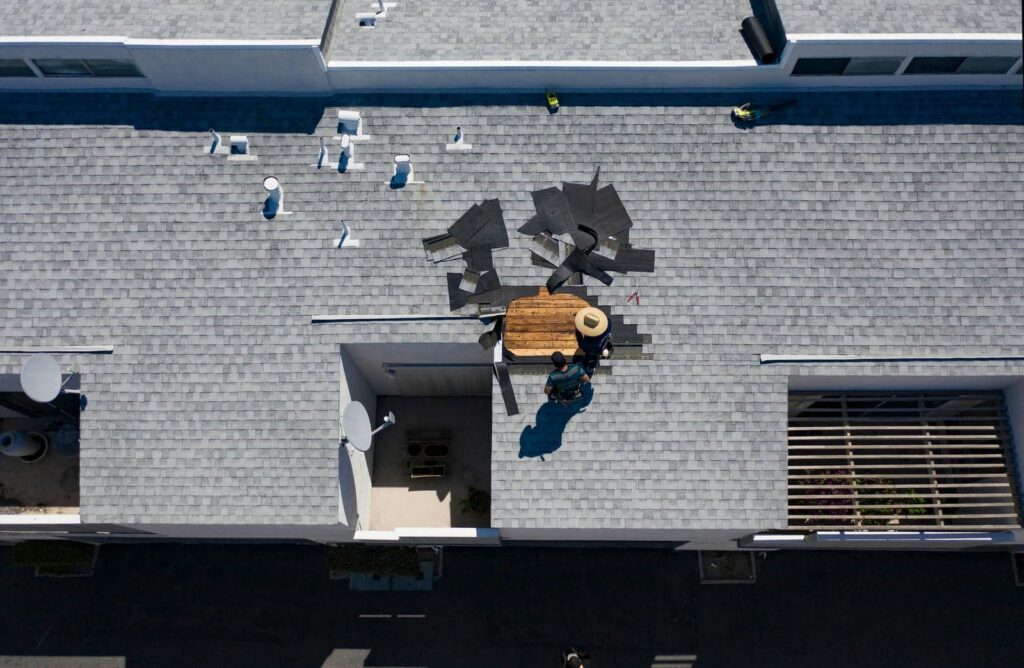
After a storm, you should inspect your roof quickly for missing shingles, dents, lifted flashing, and indoor water stains. You can catch small problems before they turn into leaks or structural damage. If you document the damage well, you’ll also be in a stronger position with your insurer. The key question isn’t just what broke, but what needs attention first—and that’s where the next roof repair steps get more specific.
Key Takeaways
- Inspect for missing shingles, dents, leaks, and interior stains after storms to catch damage early.
- Photograph and document all roof damage, including wide shots, close-ups, and temporary repairs for insurance claims.
- Call a roofing professional if you see leaks, sagging, tree impact, or storm damage requiring structural assessment.
- Repair costs depend on damage severity, roofing material, roof pitch, and emergency service or permit fees.
- Prevent future damage by cleaning gutters, trimming branches, checking sealants, and scheduling regular roof inspections.
Common Types of Storm Roof Damage
Storms can damage a roof in several common ways, and you need to spot them early before leaks spread. High winds can lift shingles, break sealant, and expose underlayment.
Hail can bruise asphalt surfaces, crack tiles, and knock off granules, weakening protection fast.
Heavy rain can force water under flashing, around vents, and into valleys.
Falling branches can puncture decking or dent metal panels.
Snow and ice can add weight and create ice dams that back water into the roof system.
When you handle roof repair after storm damage, you should treat each issue as part of one connected system.
Your crew matters, and quick action helps protect your home, your budget, and your peace of mind.
How to Spot Roof Damage After a Storm?
Once you know the common ways storms damage a roof, you can start checking for the signs before small problems turn into leaks. Look for visible clues from the ground and around your property. You’re part of a smart homeowner group when you catch damage early.
- Missing, lifted, or curled shingles
- Granules in gutters or downspouts
- Dented flashing, vents, or metal edges
- Dark stains, damp spots, or ceiling marks indoors
Also note cracked sealant, loose shingles, and fallen debris on the roof or in the yard.
If you see these signs, document them with photos and record the storm date. Clear evidence helps you explain the issue and speed up repairs. Quick action can limit water intrusion and protect your home’s structure.
Check Your Roof Safely After the Storm
Wait until conditions are safe before you inspect your roof after a storm.
Check for visible damage from the ground using binoculars or a camera zoom, and don’t climb onto the roof unless you’re trained and the structure is stable.
Document any missing shingles, debris, or leaks with clear photos so you can assess needed repairs accurately.
Wait For Safe Conditions
Before you inspect storm damage, make sure conditions are safe and the roof is dry, stable, and free of lightning, high winds, or standing water.
You need to wait until the weather has fully passed and the structure no longer feels risky underfoot. Your safety comes first, and smart homeowners know that haste can turn a repair issue into an injury.
- Check for clear skies and calm wind.
- Confirm there’s no active precipitation.
- Let wet surfaces dry before any access.
- Watch for loose debris near edges.
When you give the roof time to stabilize, you protect yourself and help your repair plan stay on track.
You’re part of a group of homeowners who handle storm damage with caution and confidence.
Inspect From The Ground
Start your inspection from the ground so you can spot obvious storm damage without putting yourself at risk.
Walk the perimeter and look for missing shingles, lifted edges, bent flashing, or debris on the roofline. Use binoculars if you need a closer view, and check gutters, downspouts, and siding for signs that wind or hail hit hard.
Look for sagging areas, dark patches, or granules collecting below roof drains. If you see daylight through the attic or notice water stains indoors, your roof may need prompt repair.
Don’t climb onto a wet or unstable roof just to confirm damage. Stay patient, stay safe, and make careful observations.
A solid ground-level check helps you join the many homeowners who catch problems early and protect their homes.
Document Visible Damage
Once you’ve spotted possible storm damage from the ground, document every visible issue while it’s still fresh. Use your phone to capture clear photos, and add short notes so your roofing contractor can assess the damage fast. Focus on:
- Missing, cracked, or lifted shingles
- Dented flashing, vents, and gutters
- Fallen branches, granules, or debris
- Water stains on ceilings or exterior walls
Take wide shots first, then close-ups with landmarks for context. Date each image and save them in one folder.
If you’re part of a neighborhood group, compare notes with neighbors who faced the same storm; shared patterns can help confirm severity.
Keep your records organized, because strong documentation speeds insurance claims and helps you stay ahead of worsening roof problems.
How to Document Roof Damage for Insurance
If your roof takes storm damage, document it right away so your insurance claim has clear, usable evidence. Start with dated photos and video from the ground, then move to close-ups of missing shingles, dents, lifted flashing, and debris impact.
Include wide shots that show the whole roof, plus interior stains, wet insulation, and damaged ceilings. Save weather reports, emergency alerts, and the exact time the storm hit.
Write a simple log of what you saw, when you saw it, and which rooms were affected. Don’t clean up damaged areas before you record them, unless safety forces you to.
Keep every receipt for tarps, buckets, and temporary fixes. Organize files in one folder so you can share them quickly and confidently with your insurer.
When to Call a Roofing Pro
Call a roofing pro when storm damage goes beyond a few loose shingles or you can’t safely inspect the roof yourself.
You’ll want expert eyes when you see water stains, sagging areas, lifted flashing, or granules in the gutters. A licensed roofer can spot structural issues you might miss and help keep your home and your crew protected.
- You notice leaks after rain.
- Wind tore off shingles or ridge caps.
- Tree limbs hit the roof.
- You smell dampness in the attic.
A pro brings the right tools, fall protection, and repair methods for your roof system.
That means you’re not handling risky work alone, and you’re staying connected to a community of homeowners who act fast and protect what matters.
Repair or Replace Your Roof?
You need to assess the storm damage first, since the extent of missing shingles, leaks, and structural issues will tell you whether repair is enough.
Compare the repair cost against the age and remaining life of your roof, because repeated fixes can cost more than a replacement.
If the damage is localized and the roof system is still sound, repair may be the better choice; if not, replacement can prevent more failures.
Assess Damage Extent
When storm damage hits, assess the roof’s condition quickly so you can decide whether targeted repairs will solve the problem or the structure needs replacement.
You’ll make better choices when you inspect the whole system, not just the obvious leak. Check:
- Missing, curled, or creased shingles
- Soft decking, sagging lines, or punctures
- Damaged flashing around vents, chimneys, and valleys
- Granule loss, interior stains, or daylight in the attic
If damage stays isolated, repairs may restore performance. If you see widespread failure, structural movement, or repeated intrusion, replacement may be the safer path.
You’re not alone in this process; a careful inspection gives you the facts your roofing team needs to protect your home and your peace of mind.
Compare Repair Costs
After you’ve identified the damage, compare the repair estimate against the cost of replacement so you can make a sound decision.
Ask your roofer for line-item pricing on shingles, underlayment, flashing, labor, disposal, and permits.
Then check whether the damaged area is isolated or spread across multiple slopes.
If repairs cost more than 25% to 30% of a new roof, replacement often gives you better long-term value.
You’ll also want to factor in age, warranty status, and hidden damage like decking rot or soft spots.
If your neighborhood has similar storm losses, you’re not alone—many homeowners face the same choice.
Choose the option that restores protection now and limits repeat costs later.
What Storm Roof Repair Costs
Storm roof repair costs can range from a minor patch to a major replacement, depending on the extent of the damage, roofing material, roof pitch, and local labor rates.
You’ll usually pay more when wind lifts shingles, hail bruises surfaces, or leaks spread. To estimate your range, check these factors:
- Damage size and location
- Roof type and material grade
- Access difficulty and slope
- Emergency service or permit fees
You can stay in control by documenting damage, comparing written estimates, and asking whether matching materials are available.
Your insurance deductible may reduce what you pay, but coverage depends on policy terms.
When you know the variables, you’re better prepared to make smart choices with your neighborhood.
How Storm Roof Repair Works
Once you know what storm damage may cost, the next step is to understand how a roof repair actually happens. You start with a full inspection, and a roofer checks shingles, flashing, vents, valleys, gutters, and the deck for impact, lift, or leaks.
Next, they document damage, match materials, and explain what needs replacement versus repair. Then they remove broken sections, seal exposed areas, and install new shingles, underlayment, or flashing as needed.
If water reached the structure, they dry and repair the substrate before closing the roof. Finally, they test vulnerable areas and confirm the surface sheds water properly.
You stay in the loop through each step, so you know what’s being fixed, why it matters, and when your home’s roof is secure again.
How to Prevent Future Storm Damage
To reduce the chance of future storm damage, you should keep your roof maintained before severe weather hits. You’re not alone in protecting your home, and a few habits can make a big difference.
Inspect shingles, flashing, and sealants twice a year, and after each major storm. Clear gutters so water can drain fast and won’t back up under the roof edge. Trim nearby branches to limit impact from wind and debris. Schedule professional maintenance if you see curling, cracks, or loose materials.
- Check roof penetrations.
- Replace damaged shingles.
- Secure attic ventilation.
- Reinforce weak areas.
Frequently Asked Questions
How Soon Should I File an Insurance Claim After Storm Damage?
File your claim as soon as you can, ideally within 24 to 72 hours. You’ll protect your coverage, document damage early, and help your insurer start the process before repairs worsen.
Will My Homeowner’s Policy Cover Temporary Roof Tarping?
Yes, you’ll often get reimbursed for temporary roof tarping if storm damage triggers your policy and you document it. You should save receipts, photos, and your adjuster’s instructions so your claim stays strong and complete.
Can I Stay in My Home With Minor Roof Storm Damage?
Yes, you can, if you spot no leaks, sagging, or exposed wiring. Like a ship with a small scratch, your home can stay safe, but you should inspect, document, and repair damage promptly.
Do I Need Permits for Storm Roof Repairs?
Yes, you usually need permits for structural roof repairs, re-roofing, or electrical work. You should check local codes, then get approval before starting. Small patch repairs may not need permits, but verify first.
How Long Does Storm Damage Usually Take to Worsen?
Storm damage can worsen within hours or days. You’ll see leaks, swelling, and rot spread fast after rain or wind. Inspect promptly, dry affected areas, and fix damaged shingles, flashing, or seals right away.
Summary
After a storm, you need to act fast: inspect safely, document every shingle, stain, and dent, and call a pro if you see leaks or sagging. One useful stat: insurance industry data shows wind and hail account for a large share of homeowners’ roof claims, which means delayed action can turn a covered repair into a bigger loss. Stay proactive, keep records, and maintain your roof so you can protect your home and limit long-term costs.