
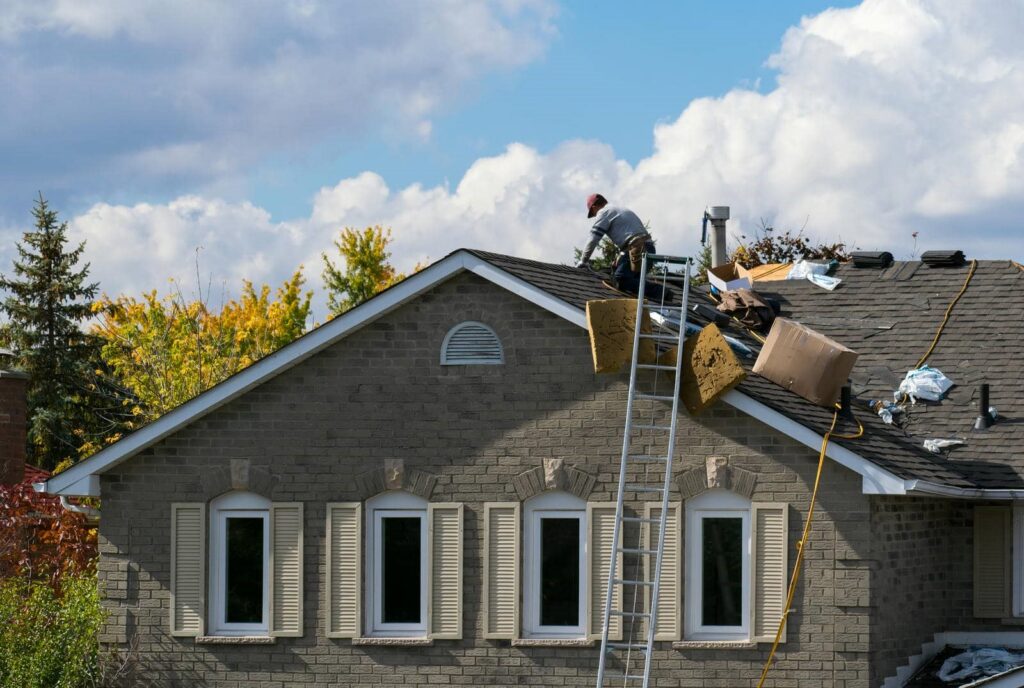
When severe weather hits your home, you need to act fast to limit the damage and protect your next steps. You’ll want to inspect hidden trouble, document every issue, and secure the property before repairs begin. The order you choose matters, and so does the contractor you trust. Get the basics right now, and you’ll avoid costly mistakes that can turn a bad storm into a much bigger problem.
Key Takeaways
- Inspect the roof, siding, windows, and interior for hidden storm damage, and photograph everything for insurance records.
- Make temporary repairs with tarps, boards, or coverings to stop water intrusion and further damage.
- Remove wet items, dry affected areas quickly, and watch for mold, musty smells, or hidden moisture.
- Hire a licensed, insured storm damage contractor, compare written estimates, and verify timelines and reviews.
- Prevent future damage by trimming trees, securing outdoor items, upgrading vulnerable areas, and keeping insurance current.
What Storm Damage Repair Includes
Storm damage repair includes the steps needed to restore your home after hail, wind, or severe weather.
You start by coordinating storm damage repair with trusted professionals who can assess visible issues and plan the right fixes. They may replace damaged roofing, siding, gutters, windows, and flashing, then seal openings to help keep your home secure.
You can also expect cleanup, debris removal, and structural repairs when needed. Good storm damage repair focuses on stopping further harm and bringing your home back to safe, livable condition.
When you act quickly, you protect your investment and join a community of homeowners who know recovery works best with prompt, organized care.
Clear communication with your contractor helps you stay informed and confident throughout the process.
Check Your Home for Hidden Damage
After a storm, you should inspect your roof and siding for missing shingles, dents, cracks, or loose panels.
Check inside your home for signs of water intrusion, such as stains, damp spots, or peeling paint.
Catching hidden damage early can help you prevent bigger repairs later.
Inspect Roof And Siding
Start with a careful inspection of your roof and siding to catch hidden damage before it worsens. You can spot trouble early by looking for missing shingles, bent flashing, cracked panels, or dents from hail.
If you feel comfortable, use binoculars from the ground and keep your focus on obvious changes. Don’t ignore loose trim or warped sections, because they can signal impact or wind stress. Take clear photos so you can compare what you see and share details with your repair team.
- Check gutters for separation
- Notice any new gaps or seams
- Watch for lifted edges
- Record damaged areas right away
You’re not alone in this process; a methodical check helps you protect your home and move forward with confidence.
Look For Water Intrusion
Even a small roof or siding breach can let water seep into your home, so check inside for signs of hidden damage right away.
Walk room to room and look for stains, bubbling paint, warped trim, damp insulation, or a musty odor. Pay close attention to attics, ceilings, walls, around windows, and beneath sinks, where leaks often show first.
If you spot moisture, place buckets, move valuables, and dry the area with fans to limit mold growth.
Take photos of everything for your storm damage repair claim. Even if the damage seems minor, keep checking for new drips after each rain.
Protect Your Home Before Repairs
Before repairs begin, you should take temporary steps to secure your home and limit more damage.
You can cover exposed roof areas, board broken windows, and move valuables away from leaks or debris.
These quick actions help protect your home from further exposure while you wait for permanent repairs.
Temporary Damage Control
After a storm, you can often limit further damage by taking a few temporary steps right away. You’re not alone in this process; many homeowners handle the same first moves before storm damage repair begins.
Stay calm, check for immediate hazards, and act only if it’s safe.
- Cover broken windows with plastic or boards.
- Use tarps to shield roof openings.
- Move belongings away from leaks and damp areas.
- Place buckets under drips to catch water.
These quick actions help protect your home, reduce stress, and buy time until a pro can assess the damage.
Keep your temporary fixes simple and secure, and avoid risky repairs. If you document what you see, you’ll make the next repair step easier and feel more prepared.
Prevent Further Exposure
Once you’ve handled the immediate cleanup, focus on limiting more exposure to water, wind, and debris.
You can tarp damaged roofs, board broken windows, and move soaked belongings to a dry area. If wind is still a threat, close off unused rooms and secure loose items outside so they don’t become hazards.
Check gutters, downspouts, and drainage paths so water flows away from your home, not into it. Turn off power to affected areas if moisture has reached outlets or appliances.
Take photos before you cover anything, so your storm damage repair process stays documented. You’re not dealing with this alone; these steps help protect your home and keep the repair team working from a safer, drier starting point.
Document Storm Damage for Insurance
If your home has storm damage, document everything right away so you can support your insurance claim and speed up the repair process.
Walk through each room and the exterior, taking clear photos and short videos from multiple angles. Capture wide shots for context and close-ups for cracks, leaks, missing shingles, broken windows, and debris.
- Save timestamps and keep files organized in one folder.
- Write brief notes about what you see and when you saw it.
- Keep receipts for tarps, supplies, or emergency services.
- Don’t throw damaged items away until you’ve recorded them.
This record helps you feel prepared and connected to the recovery process. Share copies with your insurer and keep backups in case files get lost.
File a Strong Storm Damage Claim
A strong storm damage claim starts with prompt, organized communication, so contact your insurer as soon as you’ve documented the damage and share your photos, videos, and notes.
Give a clear timeline of the storm, describe every affected area, and explain any immediate steps you took to prevent more harm.
Keep copies of all emails, claim numbers, and receipts for temporary fixes.
Be honest and consistent when you answer questions, because accuracy helps your claim move smoothly.
If the adjuster visits, walk them through the damage and point out your records.
You’re not dealing with this alone; staying calm, prepared, and responsive helps you feel more in control.
A well-supported claim can make the next steps easier for you and your home.
How to Choose a Storm Damage Contractor
When you choose a storm damage contractor, make sure you verify their licensing and insurance first.
Then compare estimates and project timelines so you can find a contractor who’s qualified, transparent, and ready to get your home repaired quickly.
Taking these steps helps you move forward with confidence after a storm.
Verify Licensing And Insurance
Before you hire a storm damage contractor, verify that they’re properly licensed and insured so you know the work meets local requirements and your home is protected if something goes wrong.
Ask for proof, then confirm the license with your state or city. Check that the insurance includes liability and workers’ compensation, so you’re not left covering injuries or property damage.
- You can ask for a current certificate.
- You can call the insurer to verify coverage.
- You can note the license number for your records.
- You can feel confident when the paperwork checks out.
When a contractor welcomes these questions, you’re likely dealing with someone who values your trust.
That kind of honesty helps you feel supported, informed, and ready to move forward with your repair team.
Compare Estimates And Timelines
Now that you’ve verified licensing and insurance, compare each contractor’s estimate alongside the proposed repair timeline so you can judge both value and speed.
Look closely at what’s included: materials, labor, permits, cleanup, and any warranty coverage. A lower bid can still cost more if it leaves out key repairs or uses weaker products.
Ask each contractor how long the work should take, what could cause delays, and how they’ll keep you updated. You deserve a team that respects your time, your budget, and your home.
Choose the proposal that feels transparent, realistic, and complete, not just the cheapest. When you compare both cost and schedule, you’ll feel more confident moving forward with a contractor who fits your needs and helps your household get back to normal sooner.
Fix Roof, Siding, and Windows First
Start with the parts of your home that protect everything else: the roof, siding, and windows. Storm damage repair should begin there because these areas shield your family and belongings from further harm.
You don’t need to fix every cosmetic issue right away; focus on broken shingles, torn panels, cracked glass, and loose frames first. Quick action helps your home stay secure while you plan the rest of the work.
- Cover exposed spots with temporary materials
- Replace missing or damaged roof sections
- Reattach loose siding and seal openings
- Board up shattered windows until repairs begin
When you handle these repairs first, you’re protecting your home, your time, and your peace of mind. You’re not alone in this.
Stop Water Damage Before Mold Spreads
Once water gets in through a storm-damaged roof, wall, or window, you need to dry it out fast to keep mold from taking hold. Move wet furniture, rugs, and boxes away from the area so air can reach every surface.
Open windows if the weather is dry, and run fans and a dehumidifier to pull moisture out of rooms, closets, and crawl spaces. Check insulation, baseboards, and drywall for hidden dampness, since trapped water can spread behind walls.
If you can safely do it, remove soaked materials that won’t dry quickly. Keep an eye on musty smells, discoloration, or soft spots, because those signs mean moisture is still there.
Acting quickly helps you protect your home and feel confident in the recovery process.
Avoid Storm Repair Scams and Delays
After a major storm, why risk making the damage worse by rushing into the wrong repair crew? You deserve help that’s honest, prompt, and skilled.
Start by checking licenses, insurance, and local reviews before you sign anything. Get a written estimate, a clear timeline, and a contract you can understand. If someone pressures you for full payment upfront or won’t answer questions, walk away. Trust your gut and ask neighbors or your insurer for referrals.
- Verify the company name and contact details.
- Compare at least two bids.
- Keep photos and all paperwork.
- Report suspicious claims right away.
When you stay alert, you protect your home, your wallet, and your peace of mind.
Prevent Future Storm Damage
To reduce the chance of costly repairs later, take steps now to strengthen your home against the next storm. You can start by inspecting your roof, siding, windows, and gutters for weak spots, then fixing them before the weather turns.
Trim trees near your house, secure loose outdoor items, and consider storm shutters or impact-resistant materials if your area sees repeated hail or high winds.
Keep your insurance updated and document improvements so you’re ready if damage happens again. A trusted contractor can help you prioritize upgrades that fit your budget and your neighborhood’s risks.
When you prepare now, you protect your home, reduce stress, and stay connected to the community of homeowners who know prevention matters.
Frequently Asked Questions
How Soon Should I Call My Insurance Company After Storm Damage?
Call your insurance company as soon as you’re safe and have documented the damage. You’ll strengthen your claim, speed repairs, and get guidance quickly. Don’t wait, because delays can complicate coverage and recovery.
Can I Stay in My Home During Storm Damage Repairs?
Yes, you can often stay if repairs are limited, but you shouldn’t if there’s structural damage, exposed wiring, or mold. You’ll want to ask your contractor about safety, noise, and temporary relocation options.
What Emergency Supplies Should I Gather After Severe Weather?
When emergencies strike, you’ll need water, nonperishable food, flashlights, batteries, a first-aid kit, medications, blankets, and phone chargers. You should also keep important documents handy. Prepare now, and you’ll protect your family and peace of mind.
Will Storm Damage Affect My Home’s Resale Value?
Yes, storm damage can lower your home’s resale value, but you can protect it. You’ll help buyers feel confident by repairing damage quickly, documenting fixes, and keeping your home well maintained after severe weather.
How Do I Know if My Utilities Are Safe to Use?
You’re safe when your home’s little guardians—lights, gas, and water—stand steady. If you smell gas, hear hissing, see sparking, or find damaged lines, stay out and call your utility company before using anything.
Final Thoughts
After a storm, you need to act fast and stay focused. Inspect your home, document every detail, and protect openings before damage spreads like a crack in a dam. Then file your claim, choose a trusted contractor, and start with roof, siding, and window repairs. By moving quickly and making smart choices, you can limit losses, prevent mold, and get your home back on solid ground sooner.