
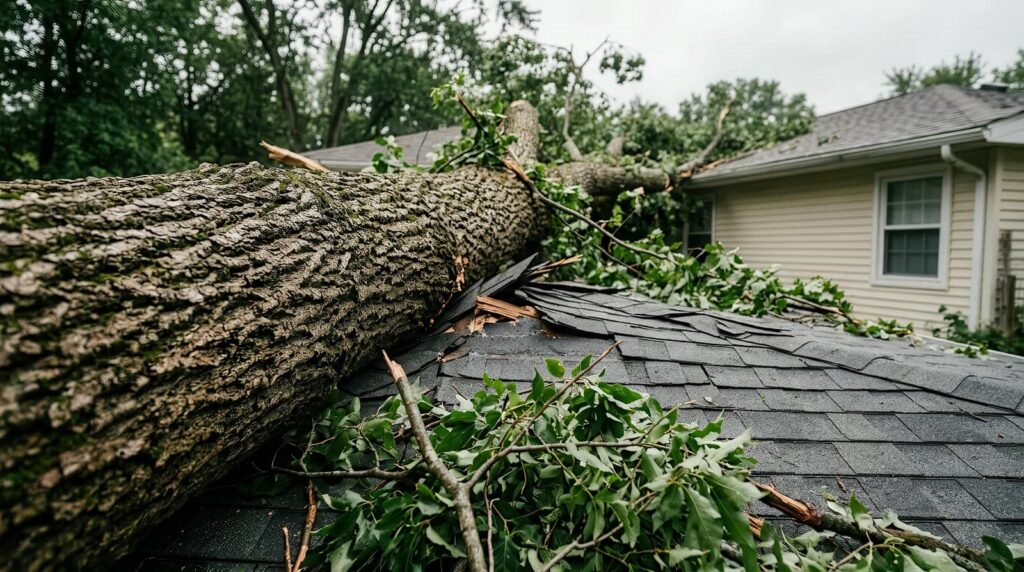
When you face storm damage, the price depends on more than visible wreckage. You may need roof repairs, water cleanup, hidden structural fixes, and even debris removal, all of which can shift the total quickly. Material quality, labor rates, and contractor estimates also matter when discussing storm damage repair cost. If insurance limits, deductibles, or emergency tarping come into play, your out-of-pocket cost can change again. The real question is how these pieces add up.
Key Takeaways
- Repair cost depends on the storm damage type and severity, including debris removal, drying, and structural stabilization needs.
- Roof materials and hidden damage affect pricing, especially when decking, trusses, or specialty materials require replacement.
- Water damage raises costs through moisture removal, mold checks, sanitation, and repairs to weakened structural components.
- Local labor rates, material availability, and building code requirements can significantly change the final restoration bill.
- Insurance coverage, deductibles, exclusions, and depreciation determine how much of the repair cost you pay out of pocket.
Main Factors That Affect Storm Damage Repair Costs
Several factors drive storm damage repair costs, and the final price usually depends on the type and extent of the damage, the materials affected, and the labor needed to restore the property.
You’ll often see the storm damage repair cost rise when cleanup requires debris removal, drying, or structural stabilization before repairs can begin. Material availability and local labor rates also shape pricing, since you may need specialized crews or replacement parts that aren’t easy to source.
Damage hidden behind walls or under surfaces can add inspection time and increase scope. When you understand these variables, you can compare estimates more confidently and stay aligned with others facing similar repairs.
Clear documentation helps you and your insurer evaluate the work fairly and efficiently.
How Roof Damage Changes Repair Costs
When roof damage affects higher-cost materials like metal, slate, or tile, you’ll usually see repair prices rise faster than with standard shingles.
You’ll also pay more when water intrusion spreads beyond the surface, because leak extent determines whether repairs stay localized or require broader remediation.
If the storm has compromised framing, decking, or trusses, structural damage scope can add major labor, material, and inspection costs.
Roof Material Severity
Roof material plays a major role in storm damage repair costs because different materials fail in different ways and require different repair methods.
When you compare asphalt shingles, metal panels, and clay tile, you’ll see each one carries its own labor, part, and matching requirements. You’re not just paying for fixes; you’re paying for the right technique and compatible materials.
- Shingles may tear, lift, or lose granules
- Metal can dent, crease, or separate at seams
- Tile may crack, shift, or need careful replacement
If your roof uses older or specialty products, sourcing matching pieces can raise costs quickly.
Leak Extent Assessment
The extent of a leak can change a repair quote more than the visible stain on the ceiling suggests.
When you inspect storm damage, you’re really measuring how far water has traveled through the roof assembly. A small opening near a shingle edge may stay local, while a larger breach can spread moisture across underlayment, insulation, and attic surfaces.
That wider spread raises labor because crews must trace the source, remove wet materials, dry the area, and verify no hidden saturation remains. Your cost can also rise if multiple interior rooms show signs of seepage, since each finish needs separate attention.
A careful assessment helps you compare bids fairly and keeps you connected to the real scope, not just the most obvious damage.
Structural Damage Scope
Hidden structural damage can shift a repair from a surface patch to a much larger project. When you inspect storm damage, you have to look beyond shingles and flashing.
If water has reached decking, rafters, or trusses, your costs rise because labor, materials, and engineering checks expand together. You may also need temporary protection while crews stabilize weakened areas.
- Soft decking that flexes underfoot
- Framing that sags or separates
- Interior stains near ceiling joints
These signs tell you the roof isn’t just weathered; it’s compromised.
A detailed scope helps you and your contractor match repairs to the real extent of harm, so you avoid partial fixes that leave your home exposed and your community standard of safety unmet.
How Water Damage Raises Costs
When storm damage lets water into your home, repair costs often rise fast because crews must address both the visible impact and the hidden moisture damage.
You may see wet drywall, warped flooring, and stained insulation, but the real expense often comes from drying cavities, removing saturated materials, and checking for mold growth.
Water can travel behind walls and under subfloors, so technicians have to inspect more areas than you might expect.
If moisture lingers, it can weaken structural components and spread odors or contamination, which adds more work.
You’re also more likely to need cleanup, sanitation, and repeated monitoring before repairs can safely move forward.
That broader response increases the total bill and extends the recovery timeline for your home.
Why Materials and Labor Costs Vary
Once the moisture issue is identified, repair prices can still swing widely because material and labor rates depend on the type and extent of the damage, local market conditions, and the skill level needed for the job.
You’ll usually pay more when crews must match existing finishes, replace specialty components, or work in tight, damaged spaces. In one neighborhood, supply shortages can raise prices; in another, steady inventory can keep them lower.
Skilled technicians also cost more when the work demands precise fitting or careful structural repair, but that expertise can protect your home and your peace of mind.
- Shingles stacked beside a wet roofline
- Drywall sheets leaning in a hallway
- Tools beside a patched window frame
How Contractors Estimate Storm Damage Repairs
Contractors typically estimate storm damage repairs by inspecting the affected areas, documenting visible damage, and measuring the scope of work needed to restore the home.
You’ll usually see them check roofing, siding, windows, gutters, and interior surfaces for impact points, moisture, and structural concerns. They then compare those findings with material quantities, labor hours, equipment needs, and access difficulty to build a line-by-line estimate.
If damage extends beyond what’s obvious, they may probe hidden areas to confirm the full extent of repairs. This process helps you understand where costs come from and why two homes with similar damage can still produce different estimates.
Clear documentation also helps you stay aligned with your contractor, ask informed questions, and move through repairs with confidence.
How Insurance Claims Affect Out-of-Pocket Costs
If you file an insurance claim after storm damage, your out-of-pocket cost usually depends on your policy terms, your deductible, and how much of the repair work your insurer agrees to cover. You’ll typically pay the deductible first, then the claim can reduce the remaining balance you owe.
The adjuster’s scope matters because it sets what counts as covered damage. When you understand this process, you can plan with confidence and stay connected to the decisions affecting your home.
- A roof line marked by missing shingles
- A water stain spreading across drywall
- A damaged fence beside scattered debris
Your final cost can also shift if the insurer applies limits, exclusions, or depreciation. Reviewing the estimate closely helps you and your contractor align expectations before work begins.
Emergency Repairs vs. Full Restoration
When storm damage occurs, you often have to decide whether to pay for immediate damage control or commit to complete property restoration.
Emergency repairs can stop leaks, secure openings, and reduce further losses, but they usually address only the most urgent issues.
Full restoration costs more and takes longer, yet it aims to return the property to its pre-storm condition.
Immediate Damage Control
After a storm, immediate damage control usually means stabilizing the property first, then deciding whether you need emergency repairs or a full restoration. You check for active leaks, broken openings, and unsafe debris, because each one can raise costs if you delay.
Emergency work targets the visible threat; it buys you time and protects the parts of your home or building that still belong to you.
- Tarped roof sections that keep rain out
- Boarded windows that block wind and intruders
- Pumped-out standing water that prevents further spread
You’ll usually compare the current damage against the repair scope, then choose the least disruptive fix that restores basic security. That approach keeps you in control, helps your team act fast, and supports a clear cost estimate.
Complete Property Restoration
Complete property restoration goes beyond stopping the immediate threat and addresses the damage needed to return the structure to a usable condition.
You move from emergency repairs, which stabilize leaks, boards, and exposed systems, to full restoration, which replaces damaged materials, restores structural integrity, and verifies safety.
This phase often includes demolition, drying, mold prevention, electrical checks, drywall, flooring, roofing, and finish work.
Because you’re rebuilding for long-term use, costs rise with labor, material quality, code compliance, and hidden damage.
You’ll usually need a detailed assessment to distinguish temporary fixes from permanent repairs.
That helps you and your contractor set priorities, reduce surprises, and restore a home that feels secure, functional, and ready for daily life again.
Ways to Reduce Storm Damage Repair Costs
You can lower storm damage repair costs by acting quickly, documenting every issue, and prioritizing the repairs that prevent further damage. You also protect your budget by comparing contractor estimates, checking insurance coverage, and separating urgent work from cosmetic fixes. That approach helps you stay informed and confident alongside others facing the same disruption.
- A blue tarp over a torn roof
- Wet drywall marked for replacement
- Broken branches stacked near a driveway
When you remove hazards early, you reduce labor time, material waste, and secondary damage from leaks or mold. You can also ask for itemized invoices so you know where every dollar goes.
Careful planning won’t erase the loss, but it can make recovery more manageable for your household and community.
Frequently Asked Questions
How Quickly Should Storm Damage Be Inspected After the Event?
You should inspect storm damage as soon as it’s safe, ideally within 24 hours. You’ll limit hidden deterioration, document damage clearly, and help speed claims, repairs, and coordination with your community.
What Hidden Damage Is Hardest to Detect After Storms?
Hidden damage you’re likeliest to miss is water intrusion behind walls, under roofing, and inside insulation. You can also overlook cracked structural framing, compromised seals, and electrical damage, which often appear only after drying or testing.
Can Temporary Repairs Delay More Expensive Restoration Work?
Yes, you can use temporary repairs to stabilize damage, but they don’t replace full restoration. You’ll often delay worsening leaks, yet hidden structural issues still need inspection before costs rise and permanent work begins.
How Do Permit Requirements Affect Storm Repair Timelines?
Permit requirements can slow your storm repairs because you’ll need inspections and approvals before work starts. If you suspect permits always delay jobs, that’s only partly true: compliant contractors often streamline paperwork and keep you moving.
What Documentation Should Homeowners Keep for Storm Damage Claims?
You should keep dated photos, videos, repair estimates, receipts, insurance correspondence, contractor invoices, and a damage inventory. You’ll strengthen your claim, track losses clearly, and help your adjuster verify repairs quickly.
Wrap-Up
When you face storm damage, you need to weigh the visible repairs, the hidden damage, and the cleanup that follows. You should compare roof costs, water damage costs, and labor rates, and you should review your insurance coverage, deductible, and claim limits. By acting quickly, documenting damage, and choosing repairs wisely, you can control expenses, reduce delays, and protect your home. In the end, you don’t just repair damage—you restore safety, stability, and peace of mind.