
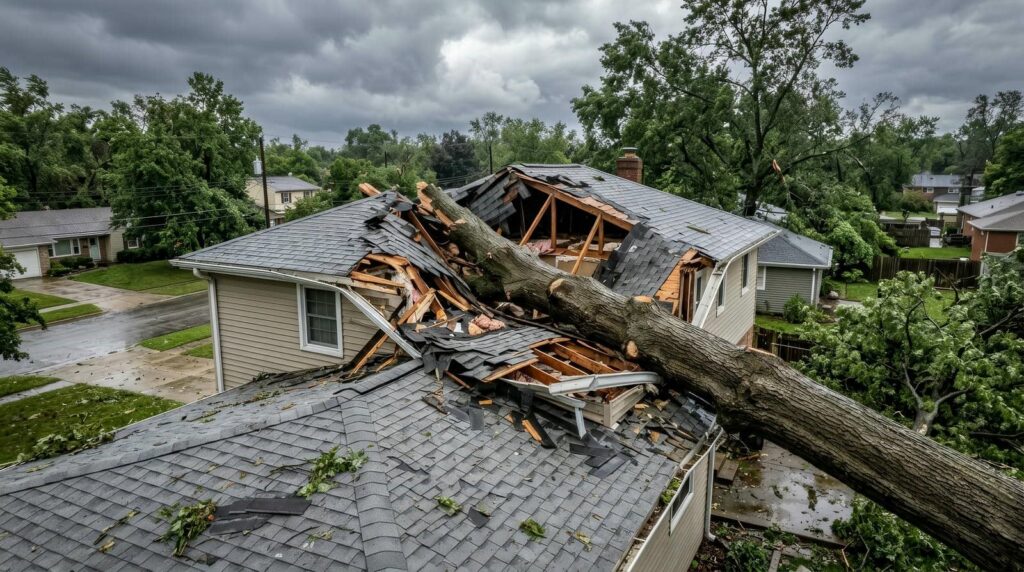
After storm damage, you may not realize that a small leak can start serious mold growth in as little as 24 to 48 hours. If you wait, patch over the problem, or skip proper photos for your claim, you can turn a manageable repair into a costly setback. Don’t make mistakes after storm damage. The biggest losses often happen before you even notice them, and what you do next can change everything.
Key Takeaways
- Delaying storm damage repairs allows leaks, mold, and structural problems to worsen quickly.
- Using only temporary fixes can hide damage and lead to bigger repair bills later.
- Walking on damaged roofs or handling hazards without caution can cause injuries and more damage.
- Failing to document damage thoroughly can weaken insurance claims and reduce reimbursement.
- Waiting too long to contact a trusted restoration professional or insurer can complicate recovery.
What to Do Right After Storm Damage
Right after storm damage, you need to act quickly but carefully. First, check for hazards like downed power lines, gas leaks, loose shingles, and standing water before you enter affected areas.
Next, protect your home by covering openings with tarps and shutting off utilities if it’s safe to do so.
Then, document everything: take clear photos, record dates, and list damaged items. This helps you avoid common mistakes after storm damage and gives you a stronger record for support. You should also save receipts for temporary materials and emergency services.
Finally, contact a trusted restoration professional and your insurer with accurate details. When you stay organized, you protect your property, reduce confusion, and join the homeowners who respond with confidence and control.
Why You Shouldn’t Delay Repairs
Once you’ve documented the damage and secured the property, don’t put off repairs. Quick action helps you protect your home, your budget, and your peace of mind.
Even minor issues can spread fast when moisture, wind, or structural stress lingers. By acting now, you keep small fixes from turning into larger, more expensive problems later.
You also make it easier to work with contractors, insurers, and neighbors who understand the urgency of recovery. Prompt repairs help your household feel settled again and show that you’re taking control.
In a community after a storm, that matters. The sooner you restore damaged areas, the sooner you can move forward with confidence and confidence in your home’s safety.
Mistakes That Make Storm Damage Worse
After a storm, a few common mistakes can quickly turn manageable damage into a much bigger problem. You might think a small leak can wait, but moisture spreads fast, weakens wood, and invites mold.
Don’t use tarps, towels, or tape as a lasting fix; they only hide the issue while damage grows. You also shouldn’t walk on a damaged roof or force open warped windows, because you can crack materials and create new entry points for water.
Avoid running fans on soaked insulation or drywall before you’ve checked hidden spaces. Instead, act carefully, protect your home, and get trusted help right away.
When you handle damage the right way, you stay in control and keep your home safer for everyone who belongs there.
How to Handle a Storm Damage Insurance Claim
When storm damage hits, you need to act quickly and document everything before you file a claim. Take clear photos and videos of every impacted area, then make a dated list of damaged items and temporary repairs.
Contact your insurer promptly and give a factual, concise report. Use your policy to confirm deductibles, coverage limits, and deadlines so you know what to expect. Keep copies of every email, receipt, and estimate in one organized file.
When the adjuster reviews your home, walk through each issue with confidence and answer only what you know. If you stay organized and consistent, you’ll protect your claim and move through the process with the same steady support your neighbors would want for you.
When to Call a Storm Damage Pro
Even with a well-documented claim, some storm damage needs a pro right away. If you see sagging ceilings, electrical issues, structural movement, or water entering walls, you shouldn’t wait.
A licensed storm damage contractor can spot hidden problems you might miss and give you a clear path forward. When your roof is compromised, your siding is torn, or debris has damaged key systems, calling an expert protects your home and your place in the recovery process.
You don’t have to handle every hazard alone. The right pro helps you make confident decisions, document conditions accurately, and avoid mistakes that can delay repairs.
Quick action keeps your home safer, your repairs cleaner, and your next steps aligned with trusted support.
How to Prevent Future Storm Damage
The best way to reduce future storm damage is to make your home stronger before the next event hits. You can protect your property and your peace of mind by taking targeted steps now, so you’re ready when weather turns severe.
Inspect your roof, seal gaps, and trim trees that could break and strike your home. Upgrade weak entry points and make sure gutters move water away from your foundation.
- Install impact-rated windows or shutters
- Reinforce garage doors and roof connections
- Schedule yearly inspections after major storms
When you invest in prevention, you join the homeowners who stay prepared instead of scrambling later. That confidence matters, because it helps you protect your home, your budget, and your place in the community.
Frequently Asked Questions
Can I Safely Enter My Home After a Storm?
Not always. You should enter only if authorities say it’s safe and you don’t see downed wires, gas smells, structural damage, or flooding. If anything seems off, stay out and call professionals first.
How Do I Document Damage Before Cleanup?
You’ll need your camera as a witness: photograph every room, roof, and damaged item before moving anything. Record dates, descriptions, and measurements. Save receipts, and back up files so you’ll protect your claim and belong with prepared homeowners.
What Storm Damage Should I Fix First?
You should fix anything that threatens safety or worsens fast: roof leaks, electrical hazards, broken windows, and structural damage. Then protect interiors, dry materials, and call pros quickly so you’re not left out of repairs.
Are Temporary Repairs Covered by Insurance?
Yes—temporary repairs are usually covered if you make them to prevent further damage, like a shield in a storm. You should document everything, save receipts, and notify your insurer quickly to protect your claim.
How Do I Choose a Reliable Storm Contractor?
Choose a reliable storm contractor by checking licenses, insurance, local references, and recent reviews. You should get written estimates, ask about warranties, and avoid anyone pressuring you to sign immediately or pay upfront.
Recap
After storm damage, you can’t afford to wait. A small leak today can become mold, rot, and a much bigger bill tomorrow. Think of your home like a ship: one loose plank left unattended can sink the whole journey. In one storm season, homeowners who acted fast often limited repairs to one area, while delays spread damage throughout the house. Call a pro, document everything, and fix issues right away.