
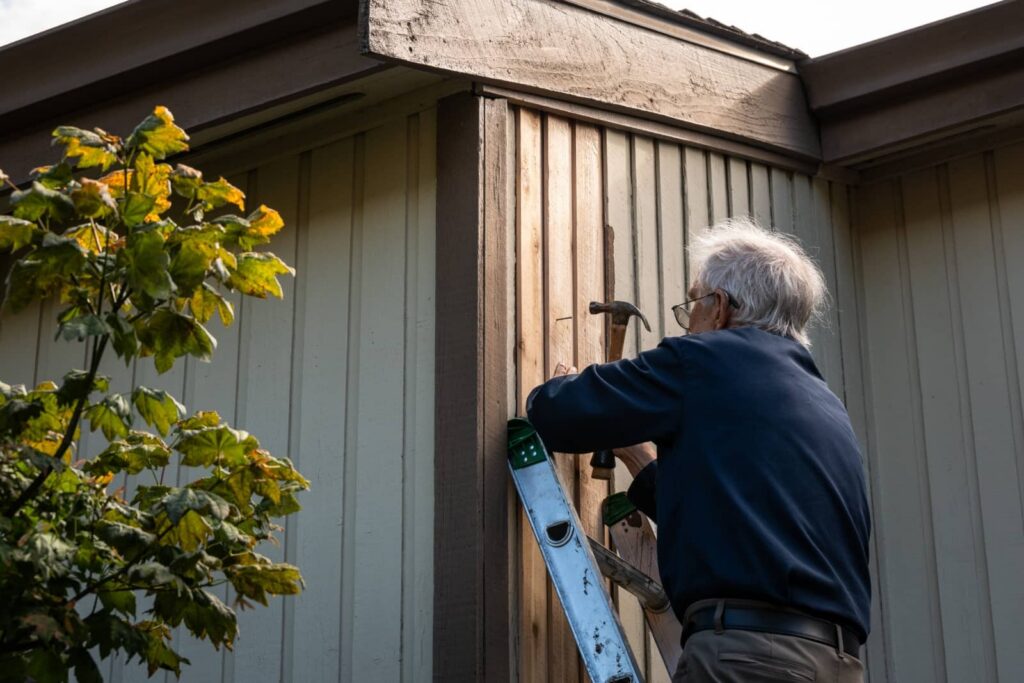
If you’re planning siding repair, you may be wondering how long siding repair takes. The timeline can be shorter than you expect or stretch out over several days. You’ll usually move faster when the damage is small, the siding matches well, and the weather cooperates. However, hidden issues, material shortages, or hard-to-reach areas can slow everything down. The real timeline depends on what you’re dealing with and what’s uncovered once the work begins.
Key Takeaways
- Small siding repairs often take a few hours and can usually be finished the same day.
- Larger or more damaged sections may take a few days to complete, including fitting and cleanup.
- Hidden damage, like rot or water in sheathing or framing, adds inspection and repair time.
- Material matching, weather delays, and hard-to-reach areas can slow the repair process.
- Clear access, prepared materials, and good communication help the crew work faster and smoother.
What Siding Repair Usually Takes
Siding repair usually takes anywhere from a few hours to a few days, depending on the size of the damaged area and the type of siding involved.
When you’re planning a repair, you can expect a contractor to inspect the problem, remove the damaged sections, and install matching materials so your home looks whole again.
In many cases, small fixes finish the same day, while larger patches need more time for careful fitting and cleanup.
If you’re wondering how long siding repair takes, the answer often comes down to the scope of the work and how smoothly the crew can access the area.
You’ll usually get the best results when you act quickly and work with a team that keeps you informed.
What Affects Siding Repair Time
Your siding repair timeline depends on how much damage you’re dealing with, since larger or more complex repairs take longer.
You may also wait longer if matching materials aren’t readily available or need to be ordered.
Weather can add delays too, especially when rain, wind, or extreme temperatures make safe work harder.
Damage Scope
When the damage covers a larger area, the repair usually takes longer because crews have more material to remove, replace, and finish.
If the issue stays in one small section, you can often expect a quicker turnaround.
But when cracks, warping, or impact marks spread across multiple walls, the job grows in steps. Your contractor may need to cut back intact sections, match lines, secure new panels, and seal every edge so the result looks seamless.
Larger scope can also mean more time for prep, cleanup, and final inspection.
You’ll get the best estimate when you share clear photos and let the crew assess how far the damage runs. That helps you plan with confidence and stay in sync with the team.
Material Availability
Material availability can speed up a siding repair or slow it down, depending on whether the crew can get the right panels, trim, fasteners, and color match quickly.
If your siding is common, the team may start fast because suppliers stock matching parts. If it’s older, discontinued, or custom, you might wait while the contractor tracks down special-order pieces. That extra time can stretch the job from a simple same-week repair to a longer project.
You can help by sharing product details, photos, and any leftover materials you have. Your contractor can then confirm matches earlier and avoid delays.
When everyone has the right supplies in hand, your repair stays organized, your home looks consistent, and you stay connected to a crew that knows how to get it done.
Weather Delays
Weather can delay siding repairs by slowing down safe removal, installation, and sealing work. If rain, snow, high winds, or extreme cold move in, your crew may need to pause to protect your home and keep the job done right.
Moisture can also affect adhesive, caulk, and paint, so rushing through bad conditions can lead to problems later. You’ll usually see faster progress during mild, dry weather because materials handle better and crews can work steadily.
If you’re planning repairs, ask your contractor how they handle forecast changes and weather windows. A good team will keep you informed, adjust the schedule quickly, and help you feel confident that your siding repair is moving forward the right way, even when the forecast doesn’t cooperate.
How the Damage Type Changes the Job
The type of siding damage directly affects how much time the repair will take. Small cracks, loose panels, or a few nail pops usually let you get in, fix the problem, and move on quickly.
More spread-out issues take longer because you need to inspect nearby sections, remove damaged pieces, and make sure the area closes back up cleanly. Rot, mold, or impact damage can add steps, since you may have hidden problems behind the surface.
If the damage reaches trim or flashing, you’ll need extra care to restore a tight seal. You’ll save time when you catch problems early and keep the repair area limited. That’s how you keep your home protected and your project on track.
Why Siding Material Matters
Your siding material can change the repair timeline just as much as the damage itself. If you’ve got vinyl, repairs often move fast because panels are easier to remove and replace.
Fiber cement usually takes longer since it’s heavier, tougher to cut, and may need careful matching. Wood can require extra steps if rot, swelling, or paint touch-ups are involved.
Metal siding may need specialized tools and attention to dents or seam alignment.
You’ll also see differences in parts availability and color matching, which can affect how soon the crew finishes.
The right contractor will identify your material early, bring the proper tools, and set realistic expectations. That way, you’re not left guessing, and your repair stays on track with the rest of your home care plan.
How Weather Delays Siding Repair
Weather can slow your siding repair because rain and moisture keep materials from drying properly and can delay installation.
You’ll also need to account for temperature, since some products need specific conditions to cure, set, or bond correctly.
When the weather shifts, your timeline can stretch until conditions are safe and stable for the work.
Rain and Moisture Delays
Rain and moisture can slow siding repairs because contractors need dry conditions for proper removal, installation, and sealing.
If rain is in the forecast, you’ll often see crews pause work to protect your home’s structure and avoid trapping water behind new material. Wet walls can also make it harder to inspect damage accurately, which may add time before repairs resume.
Even after a shower ends, crews may wait until surfaces dry enough to work safely and cleanly. You can help by clearing access around the job area and staying flexible with scheduling.
When weather shifts, your contractor will usually reset the plan and keep you informed. That way, you stay confident, and your project still moves forward the right way.
Temperature and Cure Times
When temperatures drop too low or climb too high, siding repairs can slow down because materials and adhesives need the right conditions to cure properly.
You may see caulk stay soft, sealants bond poorly, or paint dry unevenly, which can add hours or even days to the job.
In cold weather, installers often wait for warmer periods so panels fit and fasteners hold as intended.
In extreme heat, crews may work earlier or later to avoid rushed curing and warped materials.
If you’re planning repairs, ask your contractor how local temperatures affect your schedule.
That way, you’ll know when delays are normal and when work can move forward safely.
With the right timing, your home gets a durable finish that lasts and fits your neighborhood.
What Happens During Siding Repair
During siding repair, a contractor first inspects the damaged area to find loose, cracked, warped, or missing sections and checks the underlying wall for moisture or rot.
You’ll usually see them remove the damaged pieces, then measure and cut replacement siding so it fits cleanly with the existing panels.
Next, they prepare the surface, secure new materials, and seal seams, edges, and fasteners to help keep out water and air.
If needed, they match color, texture, and finish so the repair blends with your home.
You can expect the crew to clean the work area, check alignment, and confirm the repair looks solid and functions well.
This process helps protect your home and keeps your siding looking consistent.
When Siding Repair Takes Longer
Some siding repairs wrap up quickly, but a job can take longer if the damage goes beyond the visible surface.
You may need extra time when water has reached the sheathing, insulation, or framing, because your contractor must inspect and fix those layers before closing the wall.
Repairs also run longer when matching older siding is difficult, since your crew may search for compatible materials or special finishes.
Wide storm damage, rot, hidden mold, or structural issues can add steps and require careful work.
If your home has hard-to-reach areas, multi-story sections, or custom details, your team may need more time to complete the repair safely and cleanly.
When that happens, patience helps you protect your home and keep your siding looking consistent throughout.
How to Speed Up Siding Repair
You can often speed up siding repair by preparing a few details before the crew arrives. Clear the work area, move vehicles, and trim back plants so your team can start right away.
If you’ve noticed loose panels, leaks, or rot, share those details early to help the crew bring the right materials. Good communication keeps everyone on the same page and reduces delays.
- Confirm material choices and color matches before the visit.
- Make sure permits, access, and power are ready.
- Ask about weather windows and schedule flexibility.
When you stay organized, you help your project move smoothly and keep your home protected.
That kind of teamwork gives you a faster repair and a better experience from start to finish.
Frequently Asked Questions
Do I Need to Leave My Home During Siding Repairs?
Usually, you don’t need to leave your home during siding repairs. You can stay inside unless crews must remove large sections, create heavy noise, or access interior walls, which your contractor will explain.
Can Siding Repair Be Done in Winter?
Yes, you can repair siding in winter, but you’ll face slower cures and weather delays. As they say, better safe than sorry. You’ll stay comfortable if your crew works carefully and seals exposed areas quickly.
Will Color-Matching Affect the Final Repair Look?
Yes, color-matching can affect the final repair look, and you’ll notice it most on larger repairs. You can minimize differences by matching age, sheen, and weathering, so the patch blends in naturally with your home’s existing siding.
Does Insurance Usually Cover Siding Repair Costs?
Usually, your insurance covers siding repair costs when storm damage, fire, or vandalism causes the problem. You’ll want to review your policy, document damage, and contact your insurer quickly to strengthen your claim.
How Soon Should Damaged Siding Be Fixed?
You should fix damaged siding as soon as you notice it, because delays let moisture, pests, and drafts spread. Acting quickly protects your home, keeps repairs simpler, and helps you stay ahead of bigger problems.
Review
So, does siding repair always take the same amount of time? Not even close. You can often handle a small fix in a few hours, but bigger damage, rare materials, weather, or hard-to-reach areas can stretch the job into several days. When you know what affects the timeline, you can plan better and avoid surprises. The best move is to prepare early, communicate clearly, and keep the repair moving as smoothly as possible.