
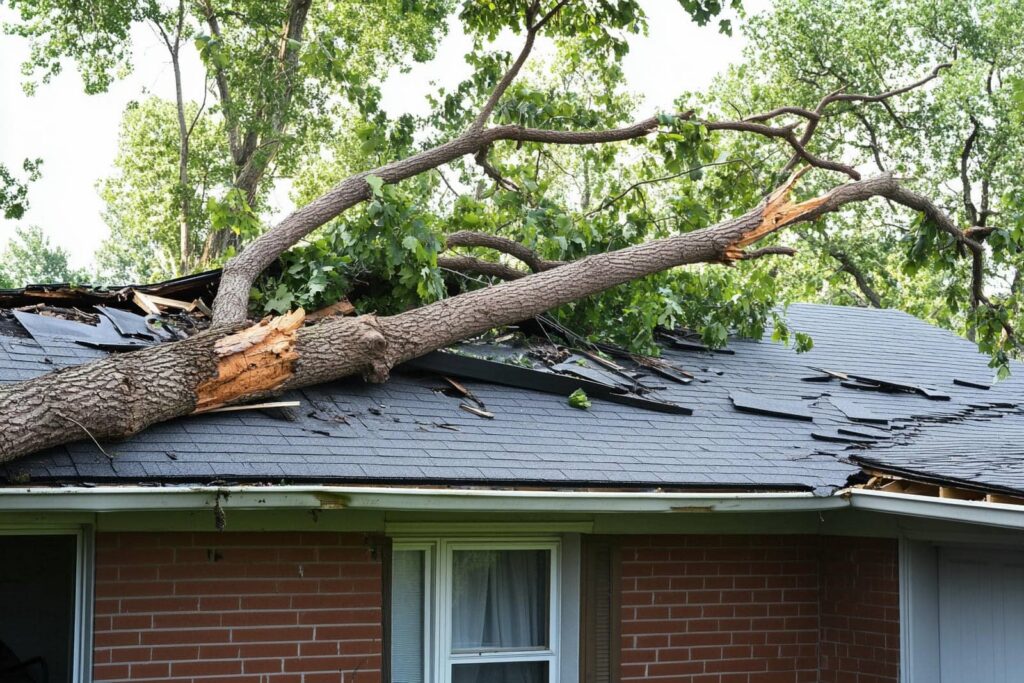
When storm damage hits, you need to act fast before a small problem turns into a costly one. You can stop leaks, secure loose materials, and cover openings with tarps or boards to keep more water out. At the same time, move valuables to dry areas and document every issue before you make temporary storm damage repairs. The right first steps can save you time, money, and a lot more trouble ahead.
Key Takeaways
- Make emergency repairs first to stop further damage and secure loose debris or weakened areas.
- Stop roof leaks quickly with tape, roofing cement, or tight temporary patches over openings.
- Cover large holes, damaged siding, or broken windows with tarps or plywood boards.
- Protect belongings by moving valuables to dry areas and drying wet spaces with fans and dehumidifiers.
- Document all damage with photos and videos before repairs begin for insurance records.
Make Emergency Storm Repairs First
After a storm, you need to make emergency repairs first to stop further damage and keep your home safe. You can act fast and protect your household with temporary storm damage repairs that stabilize what’s been hit.
Clear broken debris, secure loose materials, and shore up weakened areas before small problems spread. If you spot damaged siding, cracked windows, or compromised walls, address them right away so your home stays safer for everyone inside.
You don’t have to handle everything alone; trusted neighbors, contractors, and local crews can help you move quickly. These urgent fixes buy you time, reduce stress, and give your family a solid sense of security while you plan permanent repairs.
Stop Roof Leaks and Cover Openings
If your roof is leaking or the storm has left openings, cover them right away to keep water from causing more damage inside your home.
Start by finding the source from inside if you can do it safely, then seal small gaps with roof repair tape, roofing cement, or a quick patch. For larger breaks, cover the area tightly so rain can’t get in.
Move furniture, rugs, and valuables away from drips, and place containers under leaks to catch water.
If you share your home with family, keep everyone away from damaged areas until they’re secure.
You’re not alone in this; quick action protects your space and helps your household stay steady while you wait for permanent repairs.
Use Tarps and Boards to Keep Water Out
When a leak is too large for tape or a quick patch, cover the damaged area with a tarp or boards to block more water from getting inside. Secure a heavy tarp over the opening and anchor it well so wind can’t lift it.
If the damage is to siding, windows, or a wall, fasten plywood boards over the spot to create a sturdy barrier. Work quickly, but don’t rush past safety; use a stable ladder and keep clear of loose debris.
These temporary fixes help you hold the line until a professional can make lasting repairs. You’re not alone in this—many homeowners face the same urgent cleanup, and taking these steps now protects your home from bigger trouble later.
Protect Belongings and Dry Wet Areas
Move valuables, electronics, and important papers out of the wet area right away. Place them in a dry room with family keepsakes and everyday essentials so your home still feels like yours.
Next, pull up rugs, cushions, and anything that traps moisture. Open windows if weather allows, and run fans and dehumidifiers to move air fast.
Wipe hard surfaces, then lift furniture legs onto blocks or foil to keep them from soaking up water. If you can, separate damp items so they dry evenly and don’t spread musty odors.
Check closets, corners, and under sinks for hidden wet spots. Acting quickly helps you protect what matters, reduce damage, and keep your space safer for everyone waiting to settle back in.
Document Damage Before Repairs Begin
Before you cover, clean up, or tear out damaged materials, take clear photos and video of every affected room, wall, floor, ceiling, and item. Move slowly and capture wide shots, close-ups, and anything warped, stained, cracked, or missing.
If it’s safe, add date stamps and narrate what you see. Save copies in cloud storage and on your phone so you’ve got backup if one device fails.
Write down the time of the storm, when you noticed each problem, and any quick fixes you make. This record helps your insurance claim, supports repair estimates, and protects your family from disputes later.
You’re not being fussy—you’re being smart, prepared, and part of the homeowners who handle damage the right way.
Frequently Asked Questions
Who Should I Call for Emergency Storm Repair Services?
Call a licensed emergency storm damage repair contractor first; you’ll want a roofer, tarping crew, or restoration company available 24/7. If there’s flooding, contact your insurer and local emergency services right away.
How Soon Should Temporary Repairs Start After a Storm?
You should start temporary repairs as soon as it’s safe, ideally within hours. You’ll prevent leaks, mold, and worsening damage. Call a trusted emergency crew right away, and they’ll help protect your home fast.
Are Temporary Storm Repairs Covered by Homeowners Insurance?
Often, yes—homeowners’ policies cover reasonable emergency repairs after storm damage. You should document everything, save receipts, and call your insurer fast. You’re protecting your home and your claim.
Can I Make Temporary Repairs Myself Safely?
Yes, you can make temporary repairs yourself if it’s safe, but only handle low-risk tasks. You should avoid unstable roofs, live wires, and heavy debris, and call a professional when danger feels possible.
What Permits Are Needed for Temporary Storm Repairs?
Usually, you don’t need permits for minor temporary storm repairs, like tarping or boarding up. But if you’re altering structure, call your local building department first—rules can vary, and you’ll avoid costly delays later.
Final Thoughts
When storm skies finally clear, you can take the next careful steps. Tackle emergency repairs right away, seal leaks, and cover any open spots before more water makes an unwelcome visit. Move your valuables to a dry place, then help damp areas breathe with fans and dehumidifiers. Before you begin, snap photos and jot down notes so you’ve got a clear record. These simple actions can quiet the chaos and guide your home back to safer days.