
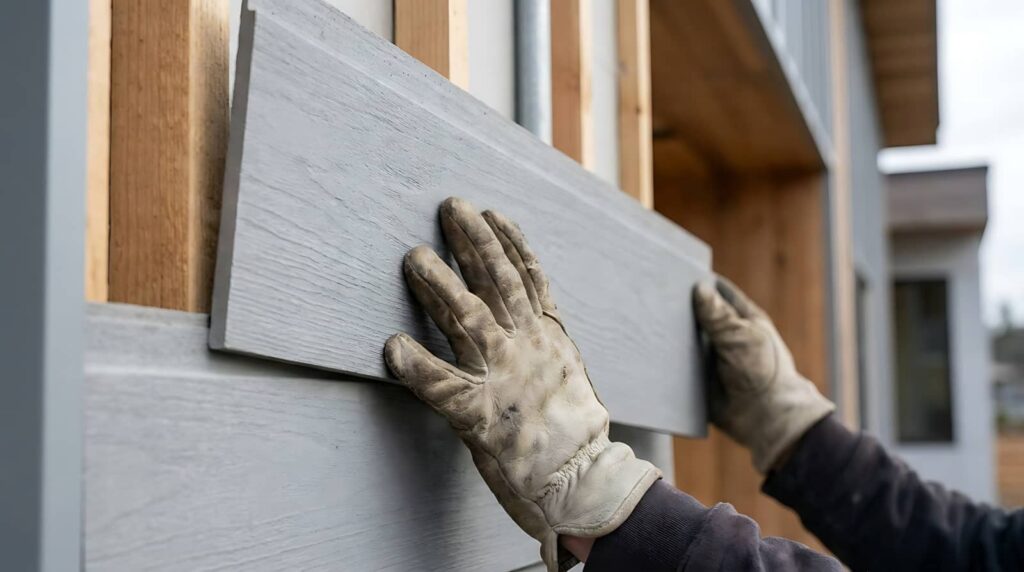
If you’re weighing siding installation, you’re really evaluating resale value, buyer demand, and payback. New siding can improve curb appeal, cut visible maintenance issues, and support higher offers by signaling a well-kept home. The material you choose also affects energy costs and long-term ROI. But not every upgrade performs the same way, and the details behind that difference matter more than you might think.
Key Takeaways
- New siding boosts curb appeal, creating a stronger first impression and improving perceived home value.
- Damaged siding can hurt resale value by signaling neglect, moisture issues, and future repair costs.
- Durable materials like fiber cement or vinyl can improve ROI, depending on local buyer preferences and pricing.
- Upgraded siding can reduce air leaks and energy bills, adding financial value through better efficiency.
- Professional installation improves finish quality, supports appraisals, and helps the home sell faster.
How Does Siding Raise Home Value?
Professional siding installation can raise your home’s value by improving curb appeal, reducing visible wear, and signaling that the property has been well maintained.
You also gain measurable siding installation roi because buyers often compare exterior condition before they ever tour the interior. Fresh siding can position your home in a stronger market tier, helping it match neighborhood expectations and attract more qualified offers.
When you upgrade with durable materials and clean lines, you tell prospective buyers you’ve invested in long-term performance, not quick fixes. That perception supports higher home value and can shorten time on market.
In practical terms, you’re not just improving appearance; you’re strengthening pricing power, increasing buyer confidence, and aligning your home with what the market rewards.
Signs Your Home Needs New Siding
You can spot new siding needs by checking for visible damage like warping, cracking, rot, or loose panels, which often signal declining exterior performance.
If your energy bills keep rising, your siding may be letting conditioned air escape and outside air in. These indicators can weaken curb appeal and reduce market value, so they deserve a close look.
Visible Damage Indicators
Visible damage often signals that siding has reached the end of its service life and may be undermining both protection and resale value.
You should inspect for cracked panels, warped boards, loose seams, and peeling paint, because buyers notice these flaws fast. Industry appraisers often treat exterior defects as negotiation points, which can trim perceived value and slow offers.
If you see rot, mold streaks, gaps around joints, or impact dents, your home can start looking neglected rather than well kept. That visual decline matters in neighborhoods where consistency drives demand and premium pricing.
Replacing damaged siding helps you stay aligned with local standards, strengthen curb appeal, and present a home that feels cared for, current, and ready for the next owner.
Rising Energy Costs
When utility bills climb without a matching change in usage, failing siding can be part of the problem. You may be losing conditioned air through gaps, warped panels, or weakened seams, and that leakage can raise heating and cooling costs by double digits.
In many markets, buyers compare energy efficiency first, because lower monthly expenses improve affordability and resale appeal. If your home feels drafty near exterior walls or rooms run uneven temperatures, your siding likely isn’t performing.
Replacing it can tighten the envelope, support insulation, and strengthen your position when you list. You’re not just fixing an exterior; you’re protecting long-term cash flow and joining a segment of homes that signal efficiency, maintenance, and value.
Why New Siding Boosts Curb Appeal
New siding sharpens your home’s exterior appearance by replacing worn materials with cleaner lines, consistent color, and a more polished finish.
It also modernizes your facade, which can make your property look more current and well maintained to buyers.
In a competitive market, that stronger curb appeal can improve your home’s standing against nearby listings and raise perceived value.
Enhanced Exterior Appearance
Fresh siding gives your home an immediate visual lift by replacing faded, warped, or outdated surfaces with a clean, uniform finish that buyers notice right away.
You strengthen first impressions because exterior condition heavily influences perceived value, and buyers often compare homes before they ever step inside. A crisp, well-kept exterior signals lower maintenance risk and better overall care, which can support stronger offers in competitive markets.
You also create a sense of belonging, since a polished home feels aligned with the neighborhood standards people want to join. When your siding looks consistent and well-installed, it reduces visual distractions and lets the property present as move-in ready.
That presentation can improve showing traffic, shorten hesitation, and make your home stand out.
Modernized Home Facade
A modern siding update can materially improve curb appeal because buyers tend to read a facade as a signal of age, upkeep, and style. When you replace dated materials, you instantly make your home look current, which can shorten buyer hesitation and strengthen perceived value.
In market analysis, clean lines, fresh color palettes, and consistent texture often create a more desirable first impression.
- You signal lower immediate repair risk.
- You align your home with current design preferences.
- You help buyers picture themselves living there.
That sense of fit matters. People want a home that feels familiar, polished, and easy to claim as theirs. New siding supports that response while keeping your exterior competitive in photos and in person.
Increased Neighborhood Appeal
Well-chosen siding doesn’t just improve your home in isolation; it can lift the visual standard of the whole block.
When you upgrade worn, faded, or mismatched exterior materials, you create a cleaner streetscape that buyers notice fast. In many markets, homes with strong curb appeal attract more showings, shorter days on market, and stronger offers because buyers read the neighborhood as well cared for.
Your siding choice signals quality, consistency, and pride of ownership, which can raise perceived value beyond your lot lines. If nearby homes look dated, your update can make your property the visual benchmark.
That matters when buyers compare options online and in person. You’re not just improving one facade—you’re helping your home fit, and stand out, in a desirable community.
Which Siding Materials Deliver the Best ROI?
Which siding materials deliver the best ROI depends on your market, but fiber cement, vinyl, and engineered wood consistently stand out for balancing upfront cost with resale appeal.
You’ll usually see the strongest returns when you match material choice to local buyer expectations and comparable homes. In many neighborhoods, buyers value a clean, well-maintained exterior that signals you belong with the best-kept properties nearby.
- Fiber cement: durable, premium look, strong resale signal
- Vinyl: lower installed cost, broad buyer acceptance
- Engineered wood: attractive finish, competitive midrange ROI
If you want the smartest return, compare installation quotes, local appraisal trends, and nearby sales, not just material price.
The right choice helps your home fit the market and sell with confidence.
How Siding Improves Energy Efficiency
When you install new siding with upgraded insulation, you improve your home’s thermal envelope and reduce heat transfer.
You also seal air leaks around the exterior, which can cut wasted energy and stabilize indoor temperatures.
That efficiency can lower your utility costs and strengthen your property’s market appeal.
Insulation Upgrades
Even a siding upgrade can do more than refresh your home’s look—it can tighten the building envelope and improve energy efficiency.
When you pair new siding with upgraded insulation, you create a measurable performance gain that buyers notice in lower utility costs and steadier indoor comfort. In many markets, efficient homes sell faster because they signal smart ownership and lower operating risk.
- Higher R-value reduces heat transfer
- Better wall assemblies support consistent temperatures
- Efficiency upgrades can strengthen resale appeal
You’re not just improving a surface; you’re improving the system behind it.
That matters if you want your home to fit with energy-conscious neighborhoods and stand out in a value-driven market. Over time, the upgrade can help protect your investment and align your home with modern buyer expectations.
Air Leak Reduction
By reducing air leaks, new siding helps seal gaps that let conditioned air escape and outdoor air creep in, which can lower heating and cooling loads in measurable ways.
You’re also tightening one of the biggest weak points buyers notice during inspections: the building envelope. When you choose a properly installed system, you reduce drafts around framing, corners, and penetrations, which supports more consistent indoor conditions year-round.
That matters in competitive markets, where homes that feel solid and well maintained stand out. Energy-conscious buyers often read this as evidence of smarter ownership and lower risk.
You’re not just improving performance; you’re signaling that your home belongs in the higher-quality tier of the neighborhood. Over time, that perception can strengthen resale appeal and help protect value.
Lower Utility Costs
Lower utility bills can make siding upgrades easier to justify because improved insulation and tighter wall assemblies reduce the energy your home needs to stay comfortable. You’ll see the value in monthly savings, and buyers often do too, since efficient homes stand out in competitive markets.
When you upgrade siding, you can improve thermal performance and limit seasonal spikes.
- Lower heating and cooling demand
- More stable indoor temperatures
- Stronger resale appeal
That combination helps you fit in with cost-conscious neighborhoods while signaling quality.
If your current exterior lets conditioned air escape, new siding can help you keep more of what you pay for. Over time, those savings support ROI and make your home easier to market to buyers who want comfort, efficiency, and belonging.
What Affects Siding Replacement Cost?
Siding replacement cost depends on more than just square footage, since material type, labor rates, home size, wall complexity, and removal of old siding all affect the final price.
You’ll usually pay more for premium materials, detailed trim work, and houses with multiple stories or many angles. Labor often shifts with local market demand, so your quote can change by region and season.
If crews must repair sheathing, update flashing, or dispose of damaged panels, costs climb fast.
You can tighten your budget by comparing bids that itemize each line item, so you see where value’s coming from. That clarity helps you make a smart, confident choice and keeps your project aligned with the standards your neighborhood expects.
How to Estimate Siding ROI
To estimate siding ROI, compare your total project cost against the value uplift buyers in your market are likely to pay for improved curb appeal, better protection, and lower future maintenance.
Start with three inputs: your installed cost, expected resale premium, and ownership timeline. Then calculate net gain and divide it by cost to get ROI.
- Gather local comps with recent exterior upgrades
- Estimate maintenance savings from fewer repairs and repainting
- Factor in energy and weather resistance benefits
If your neighborhood values well-kept homes, you can often recover more through faster sale times and stronger offers.
Track appraisals, agent feedback, and buyer demand, then adjust your estimate with real market data. That way, you’re making a smart move that fits your community.
Which Colors and Styles Sell Best?
Which siding colors and styles sell best usually comes down to buyer demand in your specific market, but neutral palettes and clean, traditional profiles tend to have the broadest appeal.
You’ll usually see stronger interest in whites, warm grays, beige, and muted blues because they photograph well and fit many neighborhood norms.
Simple lap siding, board-and-batten accents, and balanced trim details often read as timeless rather than trendy. That matters when buyers compare homes quickly and favor properties that feel familiar, well kept, and easy to personalize.
If your area values newer design cues, you can add contrast with darker shutters or trim without narrowing your audience too much.
In most markets, restrained choices help you align with the largest pool of likely buyers and support resale confidence.
Why Professional Installation Matters
Even the best siding color and profile won’t help resale if the installation looks uneven or performs poorly. You need professional installers because buyers read craftsmanship as market confidence. Clean lines, tight seams, and correct flashing signal lower risk and stronger upkeep.
In comparative listing analysis, homes with visible finish issues often face more showings but weaker offers.
- You reduce the chance of warping, gaps, and moisture intrusion.
- You create a uniform exterior that photographs better and feels more premium.
- You support appraisers and buyers who compare your home with newer, well-kept properties.
When your siding fits precisely, your home joins the group buyers trust. That belonging effect matters: it helps them picture themselves there, and it can strengthen perceived value.
How to Maximize Siding ROI
To maximize siding ROI, you should focus on choices that buyers can see and appraisers can support: durable materials, a clean and cohesive profile, and installation quality that reduces future maintenance costs.
Prioritize fiber cement, engineered wood, or high-grade vinyl when they match your neighborhood’s price band, because resale gains depend on local expectations as much as material cost.
Choose colors and trim details that fit surrounding homes, so your property feels like it belongs in the market.
Use professional installation to prevent gaps, moisture intrusion, and warranty issues that erode value.
If you’re planning to sell within five to seven years, track regional comps and target upgrades with the strongest curb appeal per dollar.
That’s how you protect equity and appeal to confident buyers.
Frequently Asked Questions
How Long Does Siding Installation Usually Take?
Siding installation usually takes you about 1 to 2 weeks, depending on your home’s size, materials, and weather. You’ll see faster timelines with smaller projects, while complex jobs may need longer scheduling and prep.
Can New Siding Increase Appraisal Value Immediately?
Yes—new siding can boost your appraisal almost immediately, sometimes making your home look like the hottest listing on the block. You’ll likely see stronger curb appeal, better marketability, and higher perceived value right away.
Does Siding Replacement Require Permits?
Usually, you do need permits, especially for structural changes or exterior alterations. You’ll save delays by checking local code first. In most markets, permitted work protects you, supports resale, and strengthens buyer trust.
How Often Should Siding Be Inspected for Damage?
You should inspect your siding twice a year, plus after severe storms. You’ll catch cracks, warping, and moisture early, protect resale value, and keep your home looking well maintained, which buyers notice.
Will Siding Installation Disrupt Daily Household Routines?
Yes, it can briefly disrupt your routine, but you’ll usually keep normal access to most rooms. Crews work efficiently, and installation timelines often stay predictable, so you can plan around noise, debris, and limited exterior access.
Wrap-Up
If you want stronger resale value, better curb appeal, and lower operating costs, siding can deliver all three. You boost value when you choose durable materials, you boost appeal when you pick market-friendly colors, and you boost efficiency when you install proper insulation and weather barriers. The ROI depends on your local market, but quality siding usually helps you sell faster and for more. Invest strategically, and you’ll turn exterior upgrades into measurable returns.