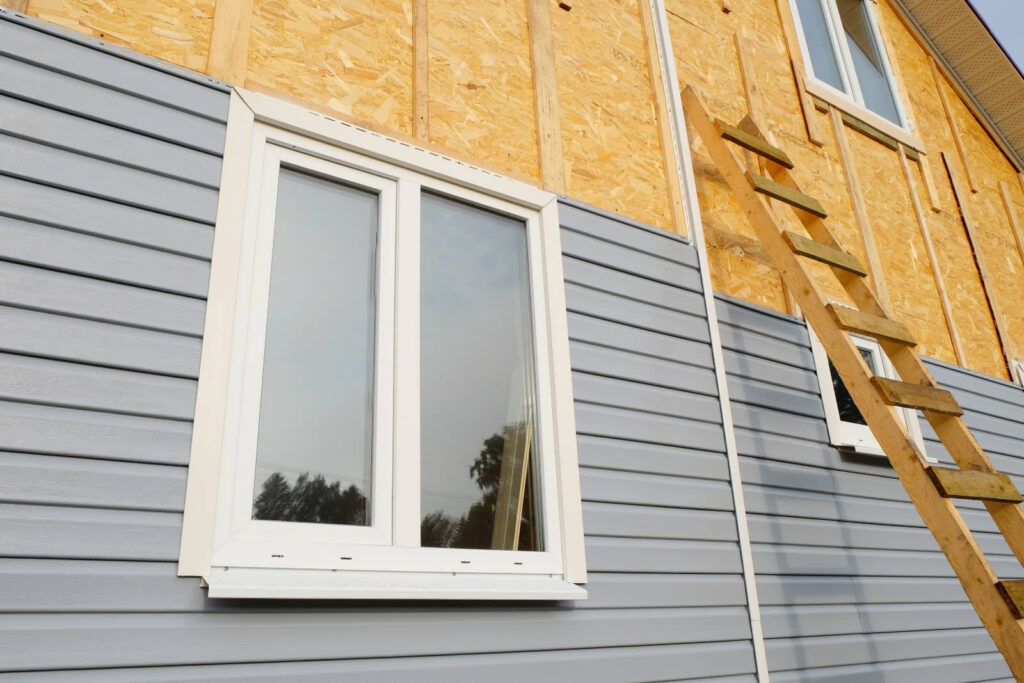
Costly siding replacement mistakes often start with small shortcuts that lead to expensive repairs. Choosing the wrong material, skipping house wrap or flashing, or rushing prep work can trap moisture, hide hidden damage, and create drainage problems that surface later. Poor fastening and bad timing can make matters worse. Before you commit to a contractor or product, it’s important to check one critical factor that could save you time and money.
Key Takeaways
- Inspect the wall assembly first to catch hidden rot, moisture damage, and trapped leaks before new siding goes on.
- Install continuous house wrap and flashing correctly to block wind-driven rain and protect openings from water intrusion.
- Use proper fastening, alignment, and clearances so panels can move, drain water, and avoid buckling or cracking.
- Choose siding materials for your climate and maintenance needs, not just the lowest upfront cost.
- Hire a licensed, insured contractor and confirm a written scope, cleanup plan, and warranty before work begins.
Biggest Siding Replacement Mistakes
One of the biggest siding replacement mistakes is skipping a full inspection before installation, because hidden rot, moisture damage, or failing sheathing can compromise the new siding fast.
You also need to correct flashing gaps, caulk failures, and air leaks before you cover the wall. If you rush the tear-off, you can trap damage and invite future repairs.
Another of the common siding replacement mistakes is poor fastening: overdriving nails, missing studs, or leaving panels too tight can cause buckling and noise.
You should also keep proper clearances at roofs, trim, and grade so water can drain and materials can move.
When you handle these details carefully, you join the homeowners who protect their investment, avoid callbacks, and get a cleaner, longer-lasting result.
Choosing the Wrong Siding Material
Picking the wrong siding material can undermine the entire replacement, even if the installation is flawless. You need to match the product to your climate, home design, and maintenance tolerance.
Vinyl offers low upkeep, but it can warp under extreme heat. Fiber cement resists pests and fire, yet it needs careful sealing and periodic painting. Wood creates a classic look, but it demands regular care to stay sound.
If you choose based only on price, you may join the group that faces premature wear and higher long-term costs. Compare impact resistance, moisture handling, insulation value, and warranty terms before you decide.
When you select the right material, your home looks cohesive, performs better, and feels like it belongs in your neighborhood.
How Poor Installation Causes Damage
Poor installation can let water behind the siding when you skip or mishandle the moisture barrier, which can lead to rot and mold in the wall assembly.
If you set panels out of alignment, you’ll create gaps, buckling, and uneven load transfer that weaken the cladding’s weather seal.
When you place fasteners incorrectly, you can restrict movement, crack panels, and reduce the siding’s ability to shed water and expand properly.
Improper Moisture Barriers
When you install siding without a continuous, correctly lapped moisture barrier, water can slip behind the cladding and get trapped against the sheathing.
You need a properly taped, shingled wrap or membrane so liquid drains outward, not inward. If you leave seams open, skip flashing at windows and doors, or puncture the barrier with careless fasteners, you invite rot, mold, and swollen substrate.
Check that every overlap sheds water below the next layer, and seal penetrations with compatible tape or gaskets.
You’re not just protecting the wall; you’re protecting your home’s comfort and your crew’s hard work. A tight envelope helps the whole system breathe correctly, stay dry, and last longer, which keeps you in the group that gets it right.
Misaligned Siding Panels
Even a slight panel misalignment can create visible gaps, uneven seams, and stress points that weaken the siding system over time.
When you don’t keep courses level and straight, the panels can’t interlock the way they should, so wind-driven rain, dirt, and debris slip into weak edges. You’ll also notice waviness, shadow lines, and trim that looks out of square, which makes the whole façade feel unfinished.
Accurate layout starts at the corner and runs true across every wall, so each panel locks cleanly and shares load evenly. If you catch drift early, you can reset the course before damage spreads.
When your siding sits flush and aligned, you protect the structure and give your home the clean, cohesive look your neighborhood values.
Faulty Fastener Placement
Faulty fastener placement can undermine a siding system faster than many homeowners realize. When you drive nails too tight, you trap panels and prevent thermal movement, so the siding buckles, cracks, or pulls apart at the seams.
If you place fasteners too high, too low, or off-center, you weaken the hold and let wind lift the courses. You also risk hitting framing inconsistently, which reduces grip and creates loose spots that rattle and leak.
Aim for the manufacturer’s nailing zone, keep spacing even, and leave the recommended gap at each fastener head. Use corrosion-resistant hardware, because rusted fasteners stain panels and fail early.
When you follow these details, you protect your home and join the crew of owners who get lasting, solid results.
Don’t Skip House Wrap or Flashing
You need a continuous house wrap barrier behind the siding to block wind-driven rain and help manage moisture in the wall cavity.
You also need flashing around windows, doors, corners, and penetrations so water gets directed back out instead of pooling behind the trim.
If you skip either layer, you’re inviting rot, leaks, and hidden structural damage that can undo the new siding fast.
House Wrap Barrier
A proper house wrap and flashing system is one of the most important defenses in a siding replacement, because it helps block bulk water while still allowing the wall assembly to dry. You need a continuous barrier that sheds rain, limits air leakage, and protects the sheathing from moisture intrusion.
Overlap seams correctly, tape them with the manufacturer’s approved product, and keep the wrap flat so it won’t trap water. If you leave gaps, tears, or loose edges, you create paths for damage and mold.
You also want the material integrated with adjacent weather barriers so the whole assembly works as one system. When you install it carefully, you’re helping your home join the group of walls that stay dry, durable, and ready for long-term performance.
Flashing Around Openings
Once the house wrap is in place, the openings still need careful flashing to keep water from sneaking behind the siding at windows, doors, vents, and other penetrations.
You should layer flashing so each upper piece laps over the lower one, creating a shingle path for drainage. Seal corners, sills, and top edges with compatible tape and metal drip flashing, but don’t trap water.
- Trim the opening cleanly.
- Flash the sill first.
- Integrate side jamb flashing.
- Add a head flashing cap.
- Inspect every seam before siding.
When you follow this sequence, you protect your wall cavity, reduce rot risk, and fit in with crews who build for durability.
Missing even one detail can invite leaks, mold, and callbacks.
How Poor Prep Leads to Costly Repairs
Poor prep can turn a siding replacement into a chain of expensive repairs because hidden moisture, damaged sheathing, and warped framing often go unnoticed until the new siding is already installed.
You need to strip enough material to inspect the wall assembly, then replace rotted sheathing, reset loose fasteners, and correct out-of-plane framing before you hang panels. If you skip this, your new siding can buckle, leak, or fail early, and you’ll pay twice for labor.
You also want to clean debris, seal small gaps, and verify a flat, solid nailing surface so the cladding sits tight.
When you prep the substrate carefully, you protect the whole envelope and join the homeowners who avoid callbacks, preserve curb appeal, and keep repair costs under control.
Why Weather and Timing Matter
Weather can make or break a siding replacement, so you need to plan the job around dry conditions, moderate temperatures, and predictable forecasts.
Moisture can trap behind panels, weaken adhesion, and force you to pause work, which drives up labor time and stress. Cold weather makes materials brittle, while extreme heat can cause expansion and uneven seams.
When you schedule wisely, you protect your home and help your crew stay efficient.
- Check rain windows 48 hours ahead.
- Avoid freezing temperatures during installation.
- Store panels flat and dry.
- Let sealants cure within spec.
- Finish exposed sheathing before storms.
Timing also matters for neighborhood peace.
You’ll keep noise, debris, and delays manageable when you work in a stable weather window that supports steady progress and clean results.
Choosing the Right Contractor
How do you choose the right contractor without creating new siding problems? You check licensing, insurance, and local references before anyone steps on your property.
Ask for a written scope that lists removal methods, flashing details, moisture barriers, trim integration, cleanup, and warranty terms. A strong contractor measures walls, checks substrate condition, and explains how they’ll handle rot, gaps, and expansion.
You also want clear communication, because a reliable crew keeps you informed and treats your home like part of the neighborhood.
Compare bids line by line, not just by price, and reject vague allowances. Request photos of past siding jobs and confirm they use manufacturer-approved fasteners and installation specs.
The right team protects your investment and helps you feel confident throughout the project.
Final Thoughts
If you avoid these siding replacement mistakes, you’ll protect your home like a sturdy shield against the elements. Choose materials that fit your climate, insist on proper flashing and house wrap, and never rush prep work or installation. Keep an eye on weather, clearances, and fastening, because small errors can snowball into expensive repairs. With the right contractor and a careful plan, you’ll get siding that performs well and lasts for years.