
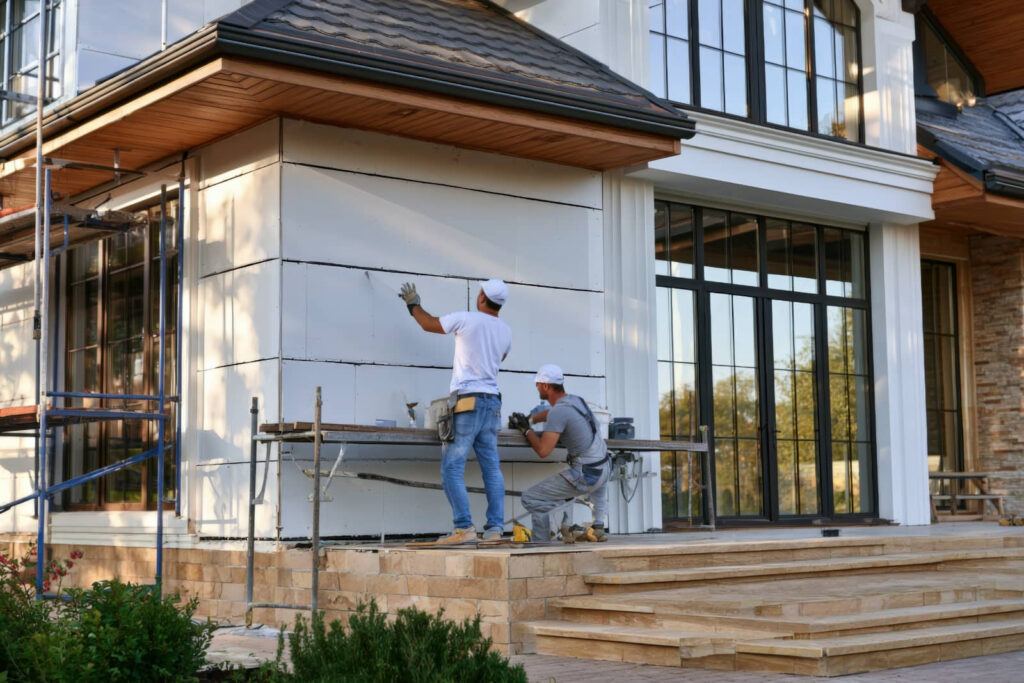
Most home exterior problems start with siding or trim failure, which can quietly drive up repair costs. If you’re seeing cracks, warping, peeling paint, or rising energy bills, your siding may be past the point of simple fixes. Siding Replacement can tighten your home’s exterior envelope, improve comfort, and refresh curb appeal, but the best results depend on choosing the right materials and knowing what comes next.
Key Takeaways
- Replace siding when you see cracking, warping, peeling paint, or other damage that repairs no longer fix.
- New siding can improve energy efficiency by sealing gaps, reducing drafts, and helping stabilize indoor temperatures.
- Choose durable materials like fiber cement, vinyl, or engineered wood based on climate, style, and maintenance needs.
- Siding replacement typically includes inspection, removal, needed repairs, flashing, insulation, and installation of the new exterior.
- Hire qualified contractors to ensure proper installation, strong weather protection, and better curb appeal.
How Do You Know It’s Time to Replace Siding?
You’ll know it’s time to replace siding when you start seeing clear signs of wear that repairs can’t fully solve. At that point, siding replacement becomes a smart way to protect your home and keep it looking like it belongs on your street.
If your exterior no longer seals well, your energy use may rise and your comfort may drop. You can also lose the polished curb appeal that helps your home feel cared for and connected to the neighborhood.
Instead of patching the same problem again and again, you can choose materials that better match your climate, style, and long-term goals. When siding no longer supports durability, efficiency, and pride in your home, replacement usually makes the most sense.
Common Signs Your Siding Needs Replacing
Common siding problems usually show up in a few predictable ways, and spotting them early can help you avoid bigger repairs later.
You might notice boards that crack, warp, or buckle, especially after storms or years of sun exposure. Peeling paint, loose panels, and gaps around seams can also mean your siding isn’t protecting your home like it should.
If you see rot, mold, or mildew, take it seriously, since moisture damage often spreads. Faded, brittle, or dented siding can point to material that’s worn out.
You may also hear rattling in wind or find pests getting in through damaged sections. When these signs keep adding up, it’s time to think about replacement and give your home the solid, cared-for look your neighborhood expects.
How New Siding Improves Energy Efficiency
When old siding starts cracking, loosening, or letting moisture seep in, it can also let your home lose conditioned air.
New siding helps seal gaps around your walls, so your heating and cooling system doesn’t work as hard. That means you may feel steadier indoor temperatures and fewer drafts in rooms you use every day.
Better insulation support can also help reduce energy waste during hot summers and cold winters. For you, that can mean lower utility bills and a more comfortable home for your family.
If your current exterior leaves you fighting temperature swings, replacement can make your home feel tighter, calmer, and more efficient.
You’re not just improving looks—you’re creating a home that works better for everyone inside, season after season.
Best Siding Materials for Lasting Protection
Choosing the right siding material can make a major difference in how well your home stands up to weather, moisture, and everyday wear. You want siding that fits your climate, your style, and your long-term goals, so your home feels protected and looks like it belongs in the neighborhood.
Common strong choices include:
- Fiber cement for durability and fire resistance
- Vinyl for low maintenance and dependable value
- Engineered wood for natural warmth with added protection
Each option offers different strengths, but all can boost your home’s defense when installed correctly.
Think about how much upkeep you’re comfortable with and how long you plan to stay. The right siding helps you feel confident, connected, and proud of your home’s exterior every day.
What to Expect During Siding Replacement
During siding replacement, you can expect a step-by-step process that starts with an inspection and removal of the old siding, followed by any needed repairs to the wall sheathing or moisture barriers before the new material goes on.
Your crew will then install flashing, insulation, and the new siding, working carefully around windows, doors, and trim. You’ll likely hear cutting and nailing, and your exterior may stay covered for several days, depending on home size and weather.
Good contractors keep the site tidy, protect your landscaping, and update you on progress.
When the job wraps up, they’ll do a final walkthrough so you can check the fit, finish, and cleanup. That way, you feel confident your home’s new exterior fits your neighborhood.
Final Thoughts
When you see cracking, warping, or peeling paint, you know your siding is sending a warning. Replacing it can improve comfort, cut energy waste, and give your home a fresh look. In fact, homes can lose heat and cool air through poor exterior sealing, which is like throwing money out the window. If you’re ready to protect your home for years, new siding is a smart upgrade.