
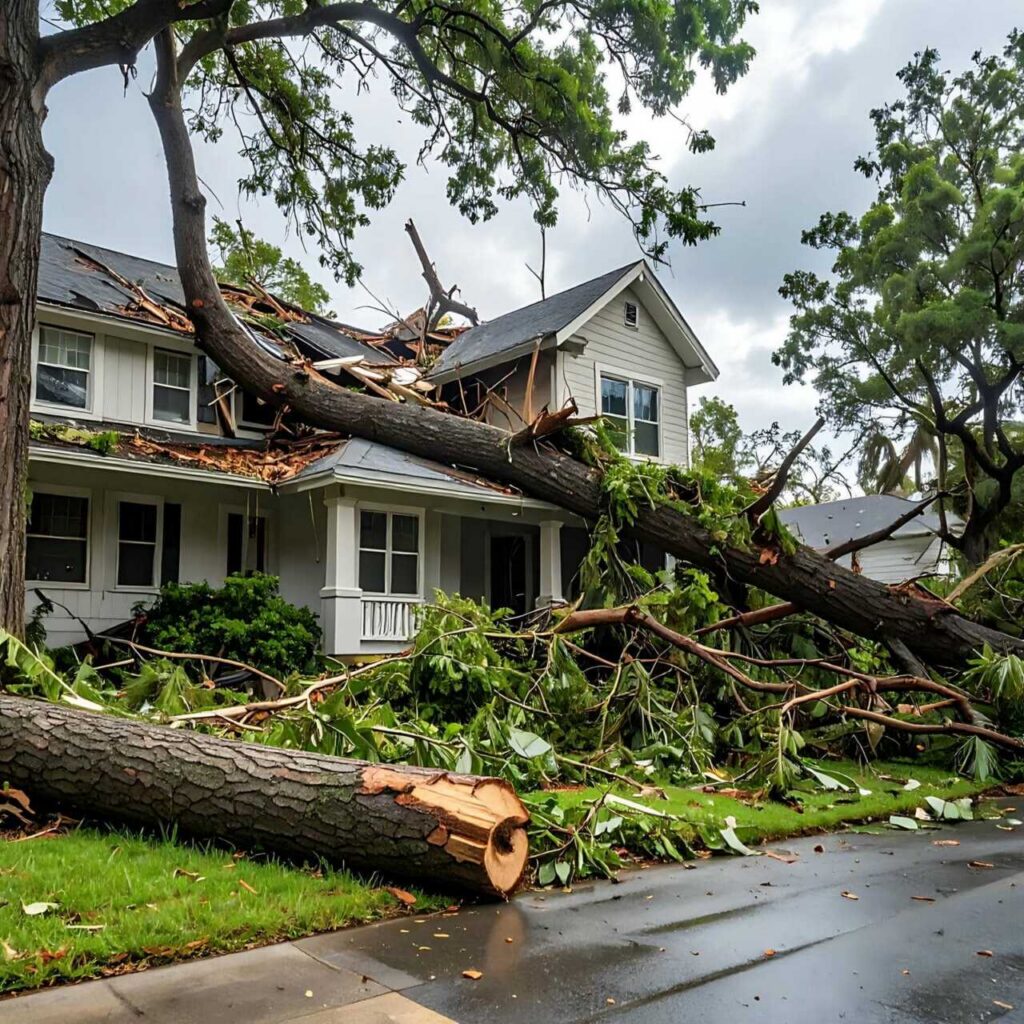
When storm damage hits, you need to act fast, but not recklessly. You’ll first secure the property, check for hazards, and document every visible issue before anything shifts or gets worse. Then you’ll bring in licensed pros for structural, electrical, and plumbing concerns while temporary protection limits further loss. The next steps can shape your repair timeline, insurance outcome, and recovery costs.
Key Takeaways
- Check for immediate hazards like downed power lines, gas leaks, unstable ceilings, and keep everyone out of damaged areas.
- Document all damage with photos, videos, notes, and measurements for insurance and restoration records.
- Contact emergency contractors, plumbers, electricians, and your insurance carrier as soon as possible.
- Protect the property with tarps, board-ups, and temporary repairs to limit water intrusion and security risks.
- Start restoration with inspection, debris removal, drying, structural stabilization, and regular progress updates.
What to Do Right After Storm Damage
Right after storm damage, you should first make sure the area is safe before you do anything else.
Then document visible damage with photos and notes, so you’ve got a clear record for your emergency storm damage response.
Notify your insurer, your property manager, and any trusted contacts as soon as you can.
If water is entering, place containers where they can catch it and move nearby belongings to a dry space.
Shut off utilities only if you know the controls and can reach them without risk.
Keep family, neighbors, and pets together in a secure area, and avoid touching damaged electrical equipment.
When you act quickly and methodically, you help protect your property and join the group of owners who recover with confidence.
How to Make the Property Safe First
Before you do anything else, assess the area for immediate hazards such as downed power lines, gas leaks, unstable ceilings, broken glass, and standing water near outlets or appliances.
Then keep everyone out of damaged rooms until you’ve confirmed they’re stable. If you smell gas, hear hissing, or see sparking, move away calmly and keep others back.
Shut off electricity only if the panel is dry and easy to reach. Block access to sagging floors, loose debris, and torn roofing so no one gets hurt.
Wear sturdy shoes, gloves, and eye protection before you move through the space. Document dangerous spots with photos from a safe distance.
Your goal is simple: reduce risk first so you and your household can stay secure together while recovery begins.
Who to Call for Urgent Storm Repairs
Once the immediate hazards are under control, call the right professionals to start urgent storm repairs.
You should contact a licensed emergency restoration contractor first, since they can assess structural instability, water intrusion, and temporary stabilization needs.
If electrical systems were affected, call your utility provider or a licensed electrician before entering damaged areas.
For active leaks or broken supply lines, reach a plumber right away.
When debris, fallen limbs, or blocked access points create risk, bring in a qualified cleanup crew with storm-response experience.
Keep your insurance carrier informed, and ask for claim guidance so you and your recovery team stay aligned.
Emergency Storm Damage Response for Roofs
When storm damage affects your roof, you should start with a careful assessment to identify missing shingles, punctures, lifted flashing, and any active leaks.
Next, you can install temporary roof protection, such as tarping or sealing exposed areas, to limit water intrusion and further structural damage.
This approach helps you secure your property quickly while you plan permanent repairs.
Roof Damage Assessment
After a storm hits, a roof damage assessment helps you quickly identify visible and hidden issues that could threaten your property.
You should inspect shingles, flashing, vents, gutters, and ridge lines for cracks, displacement, punctures, and debris impact.
Next, check ceilings, attic framing, and insulation for stains, dampness, or sagging that signal leaks.
Photograph every defect and note its location, size, and severity so you can share accurate details with your insurer or contractor.
If you see structural movement, call a qualified roofing professional right away.
By acting methodically, you protect your home and stay connected to a team that knows how to respond.
A careful assessment gives you clear next steps and helps your household recover with confidence.
Temporary Roof Protection
If your roof assessment reveals missing shingles, exposed decking, or active leaks, temporary roof protection can limit further water intrusion until permanent repairs begin.
You should ask for immediate tarping, shrink-wrap, or reinforced sheathing over damaged sections. A trained crew will secure edges, seal fasteners, and check weak areas so wind can’t lift the covering.
This step doesn’t fix structural damage, but it buys you time and helps keep your home dry, your contents protected, and your repair plan on track.
You’re not handling this alone; a coordinated response team will document the damage, match the right materials to your roof, and stabilize the area safely.
With prompt temporary protection, you can move forward with confidence while the full restoration gets scheduled.
What Temporary Protection Looks Like
Temporary protection starts with emergency tarp coverage and board-up security measures that you can use to seal exposed roof sections, windows, and entry points.
You’ll also need leak and debris control to limit water intrusion, reduce interior damage, and keep the site safer for repairs.
These steps don’t fix the storm damage, but they stabilize your property until permanent restoration can begin.
Emergency Tarp Coverage
Emergency tarp coverage gives your property immediate, weather-resistant protection while crews plan permanent repairs. You’ll get a heavy-duty sheet measured to your roof’s damaged section, then secured so wind and rain can’t easily reach exposed materials.
A good crew checks for loose debris, sharp edges, and active leaks before placement, so the tarp fits tightly and sheds water correctly. You can expect clean overlaps, reinforced fastening points, and careful sealing around vulnerable junctions.
This temporary layer helps you feel supported while your home stabilizes after the storm. It also buys you time to coordinate assessments, materials, and scheduling without rushing decisions.
When installed promptly, tarp coverage reduces further interior damage and keeps your recovery moving in a controlled, dependable way.
Board-Up Security Measures
When openings need more than roof protection, board-up security measures help shield your property from break-ins, weather intrusion, and additional debris.
You’ll typically see plywood cut to fit doors, windows, and other exposed points, then anchored with screws or specialty fasteners. This creates a temporary barrier that keeps the structure secure until permanent repairs begin.
A trained response team can assess each opening, choose the right material thickness, and install panels so they resist wind and tampering.
You stay informed through clear communication, so you know what’s protected and why. This step helps you feel supported and connected to a crew that’s working to stabilize your space quickly, carefully, and with respect for your property and peace of mind.
Leak And Debris Control
Once water starts seeping in or loose debris begins to shift, the response team moves quickly to control both risks before they spread.
You’ll usually see tarps, roof wraps, sealants, and weighted barriers placed over exposed areas to slow intrusion. Crews also clear shattered glass, branches, siding, and other hazards so you can move through the property more safely.
They’ll direct runoff away from openings, cover damaged edges, and stabilize items that could fall or blow loose.
These steps don’t fix the damage, but they do create temporary protection that buys time for full repairs.
When your team handles leak and debris control well, you’re not alone in the mess—you’re part of a coordinated effort to protect your home and reduce further loss.
How to Document Storm Damage
A careful record can make storm recovery much smoother. You should document damage before cleanup changes anything. Use your phone or camera to capture wide shots of each affected area, then take close-ups of broken materials, water lines, and displaced items.
Note the date, time, room, and visible conditions in a simple log. Keep your records organized so your team can work with confidence.
- Photograph structural damage from multiple angles.
- Save short videos that show leaks, debris, and unsafe conditions.
- Write down measurements, locations, and any temporary repairs you make.
Store files in one folder and back them up right away. When you keep clear evidence, you help everyone on your side understand the scope and plan the next steps calmly.
How Insurance Claims Fit the Response
As soon as you contact your insurer, the claims process becomes part of the emergency response and helps direct the next steps. You’ll give your policy number, the loss date, and a clear summary of visible damage, so the adjuster can open your file fast.
Keep photos, videos, receipts, and notes ready; they support your claim and reduce delays. Your insurer may ask you to document temporary protections, such as tarping or boarding, because those actions show you’re limiting further loss.
Stay in contact, answer requests promptly, and keep a simple record of every call, email, and estimate. When you follow this process, you’re not alone—you’re working with a team that helps protect your property and keeps the response organized, steady, and compliant.
What Happens During Full Restoration
After the emergency measures and insurance documentation are in place, full restoration can begin with a detailed inspection and scope of work.
You’ll work with a crew that removes damaged materials, dries hidden moisture, and stabilizes structural components before rebuilding starts. This phase is methodical, so you know what’s happening and why.
Your restoration team may coordinate:
- Debris removal and demolition of unsalvageable sections
- Structural repairs, drying, and mold prevention
- Reconstruction, finishing, and final quality checks
Throughout the process, you’ll get clear updates, photos, and timelines that keep you connected to the work.
Frequently Asked Questions
How Quickly Should an Emergency Response Team Arrive?
You should expect the team to arrive within one to two hours, often sooner. They’ll assess hazards, secure your property, and start mitigation quickly so you’re protected and informed throughout the process.
Does Emergency Response Include Boarding up Broken Windows?
Yes, you can expect boarding up broken windows. Like a shield after a storm, you’ll see crews stabilize openings, secure glass, and protect your property, helping you feel covered, included, and ready for repairs.
Can Emergency Crews Remove Fallen Trees From the Property?
Yes, you can usually have emergency crews remove fallen trees from your property. They’ll assess hazards, clear access routes, and use proper equipment, helping you restore safety quickly while protecting your home and community.
Is Mold Prevention Part of Immediate Storm Damage Response?
Yes, mold prevention is part of immediate storm damage response. You’re acting fast because mold can begin within 24–48 hours after flooding. Crews dry, ventilate, and sanitize affected areas to protect your home and peace of mind.
Do Emergency Services Handle Sewage or Water Contamination?
Yes, they do. You’ll get rapid containment, extraction, disinfection, and safe disposal for sewage or contaminated water. You’re protected with clear steps, trained crews, and equipment that restores safety fast while keeping your property secure.
Summary
When storm damage hits, you act like a steady hand at the wheel. You secure the property, call licensed pros, and document every crack, leak, and fallen shard. Temporary fixes, like tarps and boards, keep the storm from writing a bigger bill. Then you coordinate with your insurer and restoration team to guide repairs forward. With the right response, you turn chaos into a mapped path back to safety and recovery.