
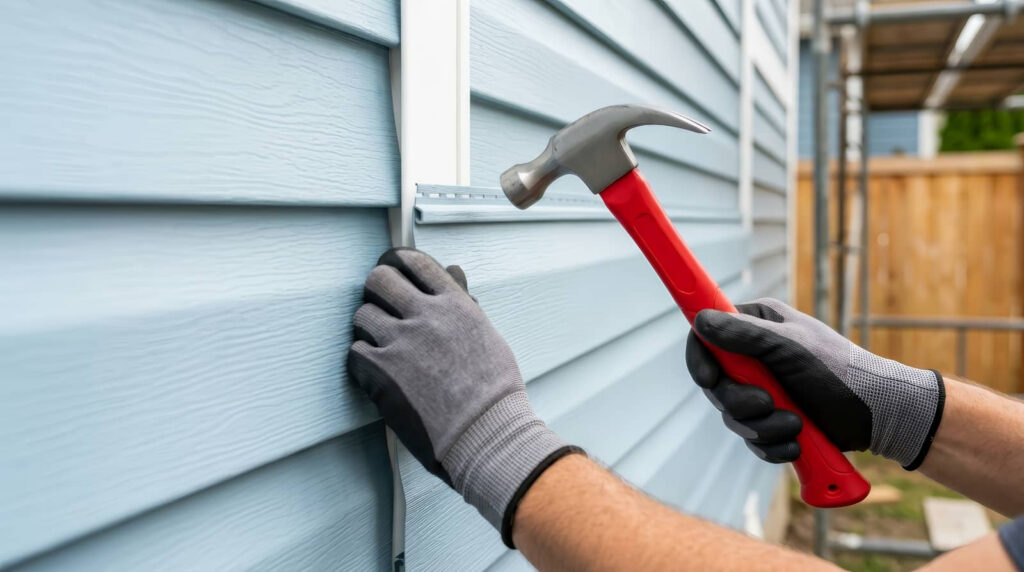
When you’re weighing siding replacement vs. repair, the right choice usually comes down to damage size, hidden issues, and long-term cost. A small, isolated problem may only need a quick fix, but widespread wear can point to bigger trouble behind the panels. You also want to think about durability, curb appeal, and what a qualified contractor might uncover before you decide. The details can shift the answer more than you’d expect.
Key Takeaways
- Minor, isolated siding damage usually favors repair if the underlying structure is still sound.
- Widespread cracking, warping, or rot often means replacement is the better long-term solution.
- Check for hidden moisture damage behind panels, around windows, and at seams before deciding.
- Repair costs less upfront, but extensive damage can make repeated patching more expensive than replacement.
- Choose a licensed, insured contractor who provides detailed estimates, references, and warranties.
How Bad Is the Siding Damage?
Start by looking closely at how extensive the damage is, because that usually tells you whether repair makes sense or replacement is the smarter move.
You can often tell a lot by checking whether the issue stays in one small area or spreads across multiple panels. In siding replacement vs siding repair decisions, isolated cracks, dents, or a few loose boards point to a smaller job, while widespread warping, rot, or missing sections suggest deeper trouble.
If water has reached the sheathing or framing, you’ll likely need a broader solution.
You don’t have to guess alone; a thorough inspection helps you understand what your home really needs and keeps you confident that you’re making the right call for your place and your budget.
When Siding Repair Makes Sense
Siding repair makes sense when the damage is limited, the underlying structure is still sound, and you can fix the problem without opening up large sections of your exterior.
You can often choose repair when you’re dealing with isolated trouble spots and want to protect your home’s look and comfort while staying on budget. Small fixes help you stay in control and keep your property feeling cared for.
- A few cracked or loose panels
- Minor gaps around seams or trim
- Localized impact damage from debris
- Surface wear that hasn’t spread
If you catch issues early, repair can restore function and preserve your home’s curb appeal.
It also lets you work with your neighborhood’s shared standards without overcommitting to a bigger project.
Signs You Need Siding Replacement
If you’re seeing widespread cracking, rotting, or warping, your siding may be beyond simple repair.
These problems often point to deeper damage that can let in moisture and weaken your home’s exterior.
When the damage keeps spreading, replacement usually gives you a longer-lasting fix.
Widespread Cracking
When cracks spread across multiple sections of your siding, repairs usually won’t hold up for long. You may patch one area, but another split often appears soon after.
That pattern tells you the material has lost its strength and can’t protect your home as a whole. Replacement gives you a cleaner, longer-lasting fix and helps you feel confident your exterior is ready for everyday weather.
- Cracks show up in several spots
- Seams keep opening after repairs
- Damage follows a repeating pattern
- Your siding looks stressed across the surface
If you’re seeing these signs, you’re not alone. Many homeowners face the same choice, and siding replacement can bring your home back together with a fresh, dependable finish.
Rotting Or Warping
Rotting or warping usually means your siding has moved beyond simple repairs, because moisture damage and shape changes can spread fast and weaken the whole system.
You may notice boards pulling away, soft spots, bulges, or edges that no longer sit flat. These aren’t just cosmetic issues—they often signal hidden decay, trapped water, or failed installation.
If you patch one section, the damage can keep advancing and affect nearby panels, trim, and sheathing. Replacement gives you a cleaner fix, better protection, and a more consistent look.
You’ll also avoid repeated service calls and rising costs. When your siding starts bending or breaking down, you deserve a home exterior that feels solid, secure, and ready to protect your family.
Compare Siding Repair and Replacement Costs
Siding repair usually costs less upfront, but replacement can be the smarter long-term investment when damage is widespread or recurring.
You’ll often pay for fewer materials and less labor with a repair, which helps when one area needs attention. Replacement costs more because you’re covering removal, disposal, new siding, trim, and installation across the whole exterior.
That added expense can feel significant, but it can also create a cleaner result for your home and neighborhood.
- Small, isolated damage often fits repair budgets
- Broad damage can make patchwork less practical
- Matching older siding may raise repair costs
- Full replacement bundles labor and materials together
You deserve a solution that fits your home and your goals, not just the lowest bid.
How Long Each Option Lasts
When you repair your siding, you can often extend its life for several more years, but the exact lifespan depends on the damage and how well the rest of the material holds up.
A full replacement usually lasts much longer, often decades, if you choose durable materials and install them correctly.
Weather, moisture, maintenance, and the condition of your home’s structure all affect how long either option will last.
Repair Lifespan Expectations
If your siding has only minor, isolated damage, a repair can buy you several more years of protection, especially when the rest of the material is still in good shape.
You’ll get the best results when you act quickly and match the fix to the original siding type, so the patched area blends in and performs well.
- Small cracks often stay stable after repair
- Loose panels can last longer once resecured
- Sealed gaps help keep moisture out
- Spot fixes work best with routine checks
You’ll usually extend the life of the repaired area most when you keep up with cleaning and inspections.
If the same section keeps failing, though, you’re likely facing a short-term solution rather than a lasting one.
Replacement Durability Range
Replacement becomes the more durable choice when repairs stop holding up or the siding has reached the end of its service life.
When you replace the full system, you’re usually looking at a long service window, often measured in decades rather than years. That means fewer patch jobs, fewer recurring callbacks, and more time between major exterior projects.
For you, that can bring real peace of mind because your home’s outer shell works as one unified layer again. Replacement also helps you reset the clock on aging materials, so you can plan ahead with more confidence.
If you want a solution that feels settled and long-lasting, full replacement often gives you the strongest path forward for your home and your household.
Factors Affecting Longevity
How long siding repair lasts versus full replacement depends on a few practical factors, including the extent of the damage, the age of the material, local weather exposure, and how well the original installation was done.
If you’re fixing a small, isolated issue, you can often get several more years from your siding. But if rot, warping, or fading keeps spreading, replacement usually lasts longer and protects your home better.
- Minor damage can extend repair life
- Older siding may fail sooner
- Harsh weather shortens lifespan
- Proper installation boosts durability
You deserve a solution that fits your home and your budget.
A trusted contractor can help you weigh long-term value, so you feel confident choosing the option that keeps your home strong and welcoming.
Choose the Right Fix for Your Siding Type
Your siding material should guide your repair choice, since different products fail in different ways and don’t all respond the same to patching.
If you’ve got vinyl, small cracks or loose panels often call for a targeted repair, while widespread brittleness usually points to replacement.
Wood siding can often be spot-repaired when rot is limited, but matching old boards and finishes takes care.
Fiber cement may handle patching well if the damage is minor, yet broken sections can be smarter to replace.
Metal siding often needs replacement when dents or corrosion spread.
When you choose the fix that fits your material, you protect your home’s look, keep the work efficient, and stay in step with neighbors who value lasting results.
Check for Hidden Water Damage
Even when the visible siding damage seems minor, hidden water problems can tip the scale toward replacement. You should inspect behind loose panels, around windows, and at seams for softness, staining, or mold.
If you catch moisture early, a repair may still protect your home; if water has spread, replacement often saves you from repeat fixes and higher costs.
- Probe trim and sheathing for rot
- Look for bubbling paint or warped boards
- Check attic and interior walls for damp spots
- Smell for musty odors near affected areas
You’re not overreacting by looking deeper—you’re protecting your home and your peace of mind. A thorough check helps you choose the fix that keeps your siding solid, dry, and reliable.
Weigh Curb Appeal and Resale Value
Curb appeal matters, and worn siding can drag down the look of your home fast. If your panels are faded, cracked, or mismatched, you’re not just noticing a cosmetic issue—you’re shaping how neighbors and buyers see your home.
Small repairs can freshen the exterior when damage is limited, but patchwork fixes may stand out if the rest of the siding has aged unevenly. Replacement often gives you a cleaner, more unified look that can boost resale value and help your home feel well cared for.
Think about your plans: if you’re staying long term, repair may be enough; if you’re selling soon, a full update can make your home feel more inviting and competitive in the market.
Choose the Right Siding Contractor
Choosing the right siding contractor can make the difference between a lasting fix and a costly do-over. You want someone who listens, explains options clearly, and helps you feel confident in your home decisions.
Ask for licensing, insurance, and local references, then compare detailed estimates, not just prices. A strong contractor will inspect damage, tell you whether repair or replacement makes sense, and stand behind the work.
- Review photos of past siding jobs
- Check warranties on labor and materials
- Confirm cleanup and project timelines
- Make sure communication feels respectful and clear
When you choose a pro who values your goals, you’re not just hiring help—you’re joining a team that protects your home, budget, and peace of mind.
Summary
When you weigh siding repair vs. replacement, you’re really balancing damage, cost, and peace of mind. If the problem is small and isolated, a repair can keep your home looking good and your budget intact. But if damage is widespread, hidden, or recurring, replacement may save you more in the long run. Either way, choose a qualified contractor, and you’ll get a fix that fits your siding, your home, and your future.