
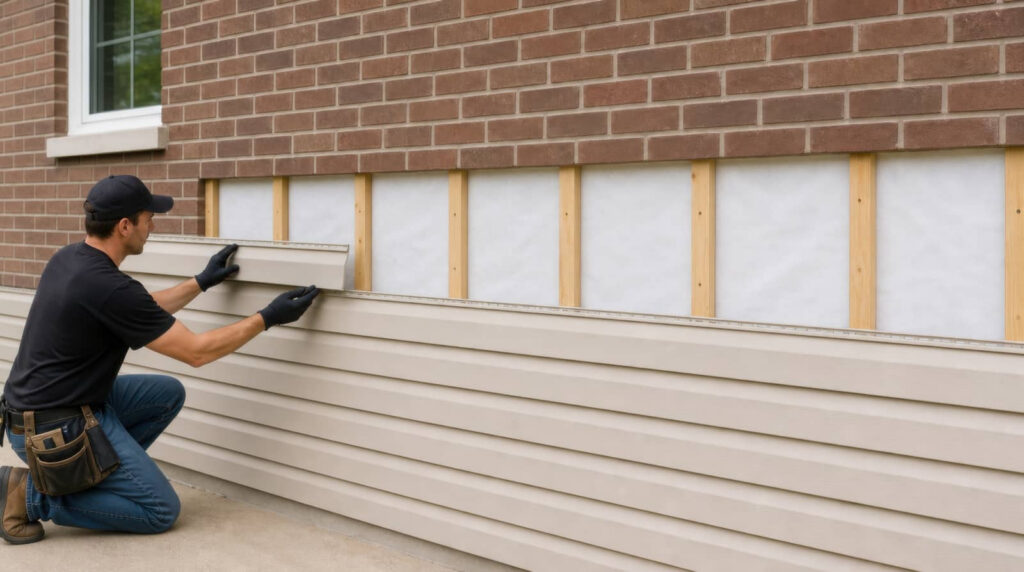
If you replace siding on a 2,000-square-foot home in Chicago, you might pay far more than you would for a similar project in a smaller town. The biggest siding replacement costs factors typically include home size, labor rates, and any hidden wall damage. Material choice matters too, but repairs, tear-off, and local pricing can often have the biggest impact on your budget. The real question is how those pieces stack up for your home.
Key Takeaways
- Home size and design complexity drive costs because larger, multi-story, or irregular homes need more materials and labor.
- Siding material choice matters most, with vinyl cheapest and fiber cement, wood, or metal costing more upfront.
- Labor rates vary by region and season, making busy metro areas and peak scheduling more expensive.
- Existing wall damage, rot, or flashing repairs can add significant unexpected costs before new siding goes on.
- Extra work like trim, soffits, old siding removal, and permits can increase the final project price.
What Drives Siding Replacement Costs?
Siding replacement costs depend on a few core factors, starting with the size and complexity of your home. You’ll usually pay more when your exterior has multiple stories, gables, dormers, or tricky corners, because crews need extra time and equipment.
Labor rates in your area also shape the price, along with the condition of the existing walls and whether repairs are needed before new siding goes on. Access matters too: tight lots, landscaping, and steep roofs can slow work.
These siding replacement cost factors help you understand why two similar homes can get different quotes. When you compare estimates, ask what’s included so you can plan with confidence and feel good about the team you choose.
Siding Material Costs by Type
Material choice is one of the biggest drivers of your siding replacement cost, and each type comes with its own tradeoffs in price, durability, and maintenance.
Vinyl usually keeps you in the lower-cost range, while fiber cement sits higher because it offers stronger protection and a more refined look.
Wood can feel warm and classic, but you’ll pay more for upkeep.
Metal and engineered options often land in the middle, giving you a balance of value and performance.
- Vinyl: budget-friendly and low maintenance
- Fiber cement: durable, fire resistant, pricier
- Wood: natural beauty, higher upkeep
- Metal or engineered siding: balanced cost and longevity
When you compare materials, think about long-term comfort, not just upfront price.
Your best fit is the one that matches your home and your priorities.
How Home Size Affects Siding Costs
Your home’s square footage is one of the biggest factors in siding replacement costs because more surface area means more materials and labor.
As your home gets larger, the total project price usually rises, even if you choose the same siding type.
That’s why contractors measure the full exterior carefully before they give you a quote.
Square Footage Impact
When you’re pricing a siding replacement, square footage is one of the biggest cost drivers because larger homes need more materials, more labor, and more time to complete the job.
You’ll usually pay based on the total wall area, so even modest changes in size can shift your estimate. That’s why accurate measurements matter before you compare bids.
- More surface area means more siding panels
- Trim, starter strips, and fasteners also increase
- Labor grows as crews cover more space
- Estimates get tighter when measurements are precise
If you want a fair price, ask contractors to measure the same way and include every exterior wall.
That keeps you informed, confident, and part of the process.
Larger Homes, Higher Costs
A larger home usually means a higher siding replacement cost because the project takes more materials, more labor, and more time to finish. You’ll need more panels, trim, fasteners, and waste allowance, and your crew has to cover a bigger surface area. That means more setup, more cuts, and more attention around windows, corners, and rooflines.
If your home has multiple stories or complex shapes, costs can rise even more. Scaffolding, lifts, and extra safety steps add time and expense.
You can keep control by measuring your exterior carefully and asking contractors how they price by square footage. When you understand your home’s size, you can compare bids with confidence and feel like you’re making the same smart choice as other informed homeowners.
How Labor Impacts Siding Replacement Costs
Labor usually makes up a large share of siding replacement costs because installers must remove old materials, prepare the wall, and fit the new siding with care.
You pay for skill, speed, and a crew that works cleanly and safely. Rates often rise with local demand, project size, and how hard your siding is to install.
When you choose experienced pros, you usually get tighter seams, straighter lines, and fewer delays.
- Skilled crews cost more, but they work faster.
- Complex layouts take extra labor hours.
- Busy seasons can push rates up.
- Good planning helps your team stay on budget.
What Repairs Add to Siding Costs?
When you replace siding, rotting substrate repairs can raise the price because crews may need to remove damaged sheathing before installing new material.
You’ll also pay more if trim and flashing need replacement to properly seal edges and direct water away.
Hidden water damage can add the biggest surprise costs, since it often shows up only after the old siding comes off.
Rotting Substrate Repairs
If your siding crew finds rotted sheathing, framing, or trim, you’ll need those repairs completed before new siding goes on, and that can raise the total project cost quickly. You’re not just paying for replacement panels; you’re paying to restore a sound base so your home protects your family and fits in with the rest of the neighborhood.
- Hidden damage often expands once crews remove old siding.
- Wet wood can mean labor, materials, and disposal costs.
- Small spots may stay manageable; widespread rot gets pricey.
- Prompt repairs help prevent future leaks and callbacks.
Ask for a detailed inspection and written scope. When you understand the damage early, you can budget with confidence and keep your project moving.
Trim And Flashing
Trim and flashing repairs can add a noticeable line item to your siding project, especially around windows, doors, corners, and roof intersections where water control matters most.
You’ll often pay more when old trim is warped, loose, or missing, because your crew has to remove, refit, and seal each edge carefully.
Flashing upgrades also take time, since installers need to match materials, slope surfaces correctly, and tie everything into the new siding cleanly.
If your home has lots of openings or complex roof lines, the labor climbs fast.
Good flashing isn’t optional; it helps your new siding perform the way your neighbors expect.
Ask for a clear breakdown so you can compare estimates and feel confident about where every dollar goes.
Hidden Water Damage
Hidden water damage can turn a straightforward siding job into a much bigger repair once crews remove the old materials and expose rotted sheathing, mold, soft framing, or damaged insulation.
You may feel like the project changed overnight, but this is common when moisture has been trapped behind siding for years. Your crew should inspect the wall, document each issue, and price the fixes before new panels go up.
These repairs often add labor, materials, and disposal costs.
- Replace rotten sheathing
- Treat or remove mold
- Repair framing and studs
- Reinstall insulation and vapor barriers
If you catch damage early, you can protect your home’s structure and keep your siding investment on track with fewer surprises.
Tear-Off and Disposal Costs
Tear-off and disposal can add a meaningful slice to your siding replacement bill, especially when the old material is heavy, layered, or difficult to remove.
You’ll usually pay more when crews must strip multiple layers, work around stubborn fasteners, or haul debris from tight access points. Older siding can also break apart, which slows removal and increases cleanup time.
Disposal fees vary by material type, local landfill rates, and whether your project needs special handling for hazardous or bulky waste.
You can keep costs in check by asking for a clear tear-off line item, confirming haul-away charges, and making sure your crew includes cleanup in the bid.
When you understand these basics, you’re better prepared to compare estimates and stay in control.
How Trim, Windows, and Extras Add Up
Once the old siding comes off, trim, window flashing, soffits, fascia, and other finishing details can push your total higher than you expected.
You’re not just paying for panels; you’re paying to make every edge look clean and stay protected. When crews replace or wrap trim, they add labor and materials, and that adds up fast.
- Window flashing keeps water out and can require careful resealing.
- Fascia and soffits often need repair before new siding goes on.
- Decorative trim, corners, and reveals raise material and labor costs.
- Extra caulking, sealants, and paint touch-ups improve the final fit.
If you’ve got a more complex exterior, you’re in good company—many projects need these details to finish right.
How Location Affects Siding Costs
Where you live can shift siding replacement pricing more than many homeowners expect, because labor rates, permit fees, climate, and material availability vary by market.
If you’re in a busy metro, you’ll usually pay more for skilled crews and tighter scheduling.
In colder or wetter regions, you may also need siding that handles freeze-thaw cycles, heavy rain, or salt air, which can raise material and installation costs.
Local building codes can add inspection steps, and remote areas may face delivery fees or limited contractor options.
You’ll get the most accurate estimate when you compare quotes from nearby pros who know your region’s requirements.
That way, you can plan with confidence and feel like you’re making a smart, local choice.
Ways to Lower Siding Replacement Costs
You can lower siding replacement costs by making a few smart choices before work begins. Start by getting multiple quotes so you can compare labor, materials, and warranties with confidence.
Choose a siding style that fits your budget and your home’s needs, not just the trend. If your existing sheathing is sound, keep the project focused and avoid unnecessary tear-off work. Schedule replacement during a contractor’s slower season when pricing may be more flexible.
- Compare at least three detailed estimates
- Ask about bundled material discounts
- Repair only damaged sections before full replacement
- Pick durable, low-maintenance materials for long-term savings
When you plan carefully, you join other homeowners who protect value without overspending.
Recap
In the end, you’ll save the most by focusing on the biggest cost drivers: your home’s size, siding material, labor, and any hidden repairs. If you compare bids, plan for tear-off and disposal, and keep trim or window changes simple, you can stay on budget. Your location will still shape the final price, so shop locally. With a bit of foresight, you won’t need a crystal ball to avoid costly surprises.