
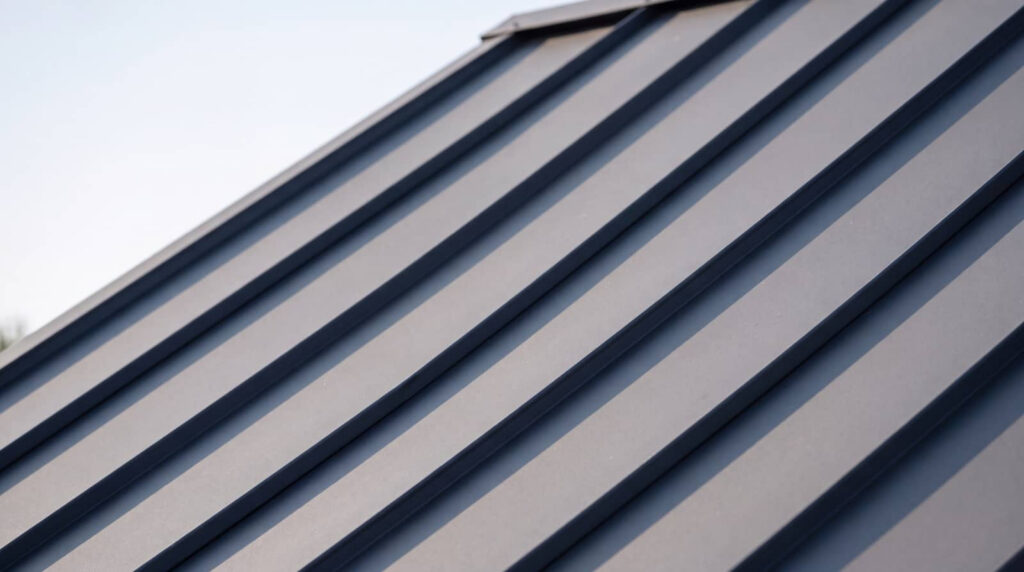
If you’re comparing roof options, standing seam metal roofing stands out because its concealed fasteners, interlocking panels, and durable finish solve a lot of common failure points. You get strong weather resistance, lower maintenance, and a cleaner profile that fits many home styles. It can also help manage energy use and add long-term value, but the cost question is where the real decision starts.
Key Takeaways
- Hidden fasteners and raised seams reduce leaks while improving wind resistance and overall roof reliability.
- Its clean, modern lines boost curb appeal and make homes look higher-end.
- Durable metal panels handle hail, rain, snow, and temperature changes better than many roofing materials.
- Reflective surfaces and ventilated assemblies can lower heat gain and reduce cooling costs.
- Though upfront costs are higher, long service life and added property value make it a smart investment.
What Makes Standing Seam Metal Roofing Different
Standing seam metal roofing stands apart because its raised vertical seams lock panels together without exposed fasteners, which helps reduce leaks, improve wind resistance, and create a cleaner roofline.
You get a system designed for precise fit, so each panel aligns with the next and forms a continuous surface. That hidden-fastener layout gives your home a modern look while keeping the assembly streamlined.
You’ll also notice fewer visible interruptions across the roof, which supports a tidy, unified appearance that fits well in neighborhoods where curb appeal matters.
These standing seam metal roofing benefits make the system different from basic panel roofs, since the profile, connection method, and clean finish work together as one practical package for you.
Why It Lasts So Long
Because the panels interlock without exposed fasteners, standing seam metal roofing resists the common failure points that shorten roof life. You’re choosing a system that doesn’t rely on thousands of punctures, so seal failures and loose nails don’t become routine repairs.
The concealed clips let each panel move as temperatures change, which helps prevent stress cracking and oil-canning over time. You also benefit from durable coatings that protect the metal from gradual surface wear and color loss.
Since water sheds cleanly and debris doesn’t trap as easily, the roof keeps its shape and function longer. That means less maintenance, fewer service calls, and better long-term value for your home.
If you want a roof that holds up, this design gives you a reliable, low-drama path forward.
How It Performs in Bad Weather
That same interlocking design also gives you strong protection when the weather turns rough. You get tight panel seams that help block wind-driven rain, and the concealed fasteners reduce exposed points where leaks can start.
In heavy rain, water sheds quickly, so it doesn’t linger on the surface. During hail, the rigid metal profile helps absorb impact better than many softer roofing materials. When snow piles up, the smooth finish encourages sliding, which can ease load buildup on your structure.
If you live in a storm-prone area, you’re choosing a roof system built to stay secure under sudden gusts and shifting temperatures. You can count on it to keep working with your home, season after season, and fit right in with a community that values dependable protection.
How It Can Lower Energy Bills
With reflective metal surfaces and a well-ventilated assembly, this roofing system can help reduce heat gain in hot weather and ease cooling demand inside your home. You benefit when your attic stays closer to outdoor temperature, because your HVAC system won’t work as hard.
- It reflects more solar energy than many dark roofs.
- It moves heat out faster through ventilation gaps.
- It can reduce attic temperature spikes during peak sun.
- It helps your air conditioner cycle less often.
- It may support lower monthly utility costs over time.
You’ll also appreciate the tighter seams, which limit unwanted air leakage around the roof system.
For homeowners who want practical savings, this upgrade fits right in with a high-performance home. Over time, those efficiency gains can add up, especially in warm climates and during long cooling seasons.
Why It Looks So Clean and Modern
Standing seam metal roofing looks so clean and modern because its raised seams create long, uninterrupted lines with minimal visual clutter. You get a roof surface that reads as one integrated system, not a patchwork of parts.
That streamlined profile works well with contemporary homes, but it also sharpens traditional architecture by giving it a more refined edge. Because the panels lock into place with precise geometry, the finish feels deliberate and orderly.
You can match different wall materials, trim colors, and window styles without overpowering the exterior. The result is a cohesive look that helps your home feel current and well maintained.
If you want a roof that signals quality and fits in with modern design expectations, this profile delivers that confidence.
How Hidden Fasteners Reduce Leaks
Hidden fasteners reduce leak risk by keeping screws and clips under the panel surface, where rain, snow, and UV exposure can’t reach them directly. You get fewer exposed penetrations, so water has less opportunity to enter at the roof deck.
The interlocking seams also guide runoff away from fastener points and help your system stay tight in harsh weather.
- hidden clips stay protected
- panels lock together firmly
- penetrations stay minimized
- water sheds off the seam
- seal continuity improves
That design gives you a cleaner, more reliable roof assembly. If you want a roof that fits your crew’s standards and your home’s long-term protection, hidden fasteners make sense. They support a watertight finish without sacrificing the sleek look you want.
Why Maintenance Stays Low
Because the panels resist corrosion and shed water efficiently, you spend less time on upkeep. You don’t need to chase loose shingles, replace cracked tabs, or seal exposed screw heads every season.
The standing seams keep most joints elevated and protected, so routine care stays simple: inspect after major storms, clear debris from valleys and gutters, and check trim for movement. If dirt builds up, a light wash usually restores the finish.
The factory coating also helps the surface handle sun, rain, and temperature swings without frequent refinishing. That means you can stay focused on your home, not constant roof repairs.
For homeowners who want a system that works hard with minimal fuss, this low-maintenance setup fits right in.
Where It Works Best
It performs best in climates that punish roofing materials with wind, rain, snow, and strong sun. You’ll get the most value on homes and buildings that need tight weather protection and a clean, modern profile.
It also fits you well when you want a roof that supports long spans and fewer exposed fasteners.
- Coastal zones with salt exposure
- Cold regions with heavy snow
- Windy plains and hilltops
- Hot, high-UV areas
- Low-slope roofs with proper detailing
If you’re part of a community that values dependable performance, this system helps you match that standard. It sheds water fast, resists uplift, and keeps seams locked.
You’ll notice the difference where weather pushes ordinary roofs hard, yet you still want sharp lines and lasting curb appeal.
What Affects Standing Seam Roof Cost
Standing seam roof cost depends on panel material, roof complexity, labor, and detailing needs, with gauges, finishes, and clip systems all affecting the final price.
You’ll usually pay more for thicker steel, aluminum, or copper, since each changes material pricing and handling. Steeper pitches, multiple valleys, skylights, and penetrations add cutting, fastening, and flashing time.
Your installer’s experience matters too, because precision work takes skill and slows production. Factory-applied coatings, concealed clips, and custom trim can also raise the quote.
If you want a cleaner system that matches your crew’s standards and your home’s lines, expect cost to track the level of performance and finish you choose.
Is It Worth the Investment?
When you weigh the upfront price against long-term performance, standing seam metal roofing often proves worth the investment. You get a tight interlocking system that sheds water, resists wind uplift, and handles thermal movement better than exposed-fastener panels.
That means fewer leaks, less maintenance, and stronger protection over decades.
- Longer service life than many roofing types
- Better resistance to rain, snow, and hail
- Clean lines that boost curb appeal
- Lower maintenance after installation
- Potential energy savings from reflective finishes
If you want a roof that fits a quality-focused neighborhood and supports your home’s value, this upgrade makes practical sense.
You’re not just buying metal; you’re buying confidence, durability, and a look that stays sharp.
Review
If you choose standing seam metal roofing, you’re getting a durable, low-maintenance upgrade that performs well in harsh weather and can help cut energy costs. Its clean lines also improve curb appeal without sacrificing function. Yes, the upfront standing seam roof cost is higher, but you often make it back through fewer repairs and longer service life. As the saying goes, you get what you pay for—and this roof proves it.