
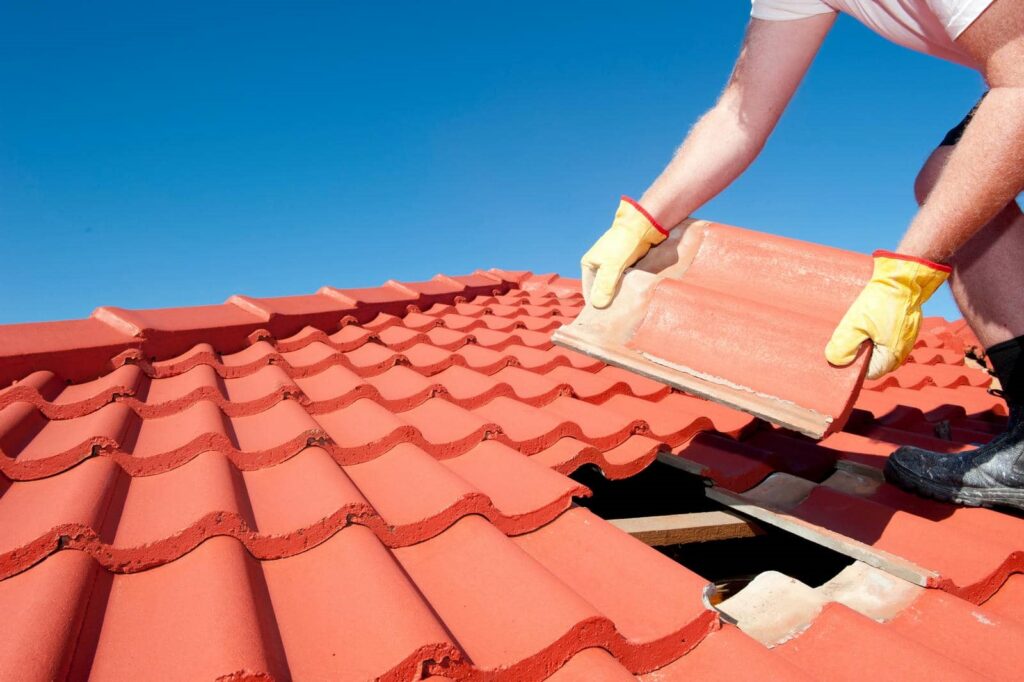
You can protect your home by catching roof repair problems early, before small defects turn into costly damage. Watch for missing shingles, cracked flashing, sagging sections, and stains that point to leaks. If you spot trouble, act fast with targeted repairs and a professional inspection. The real question is whether a simple fix will hold, or whether your roof is already past that point.
Key Takeaways
- Inspect for missing shingles, cracked flashing, sagging spots, and attic stains to catch roof damage early.
- Contain leaks immediately with buckets, towels, fans, and dehumidifiers to prevent mold and structural damage.
- Repair small issues fast by replacing shingles, sealing nails, and patching punctures on clean, dry surfaces.
- Photograph damage and get a written estimate covering materials, labor, and cleanup before starting repairs.
- Compare repair costs with roof age and overall damage to decide whether targeted repairs or full replacement is wiser.
What Roof Damage Should You Look For?
When you inspect your roof, look for missing or curled shingles, cracked flashing, damaged seals around vents and chimneys, sagging areas, and granules collecting in gutters.
Check for lifted edges, punctures, soft spots, and stains on the underside of roof decking. These signs often mean your roof’s protective layers are failing, and you may need roof repair soon.
You should also note moss growth, blistering, or warped materials, because they can weaken surface performance over time.
If you spot daylight through the attic or find insulation that feels damp, record the location and severity.
Acting with your household’s safety in mind helps you stay ahead of costly damage and keeps you connected to a community of homeowners who handle issues early.
How to Stop Roof Leaks Before They Spread?
To stop a roof leak from spreading, act fast and contain the water at the first sign of intrusion. Place a bucket under drips, move furniture, and protect flooring with plastic or towels.
Then trace the wet area upward to find the entry point, checking ceilings, attic framing, vents, flashing, and shingles for moisture. If it’s safe, dry the area with fans and a dehumidifier to limit mold and rot.
Mark the leak location so you can track changes after rain. Avoid walking on wet roofing or opening sealed surfaces unless you’re trained. You can also document damage with photos for your records.
When you act early, you protect your home, stay in control, and keep a small issue from becoming a bigger repair challenge.
Best Roof Repair Methods for Common Problems
Once you’ve contained a leak, the next step is choosing the right repair method for the problem you found.
For missing shingles, replace the damaged pieces and seal the nails with roofing cement.
For cracked flashing, remove the old metal, install new flashing, and lap it under adjacent materials to shed water.
If you spot loose fasteners, drive them back in and cover the heads with sealant.
For small punctures, use a patch matched to your roof type and press it firmly into a clean, dry surface.
For granule loss or worn seal strips, reinforce the area with compatible roofing products and inspect nearby sections.
You’re not fixing alone; a careful repair keeps your roof working as a system and helps your home stay protected.
What Does Roof Repair Cost?
Roof repair costs usually depend on the type of damage, roof material, pitch, accessibility, and labor rates in your area.
You’ll often pay more for steep slopes, fragile shingles, or repairs that need special safety gear. Small fixes, like sealing flashing or replacing a few shingles, usually cost less than patching leaks around vents, chimneys, or valleys.
Emergency calls and water-damage cleanup can add to the bill. Ask for a written estimate that lists materials, labor, and cleanup so you know what you’re paying for.
Compare two or three local contractors, but don’t choose only by price. A clear scope helps you stay in control, protect your home, and make smart decisions with confidence.
Should You Repair or Replace Your Roof?
You should first assess how extensive the roof damage is, since minor issues often need only targeted repairs while widespread failure can justify replacement.
Compare the repair cost to a full reroof, because repeated fixes can end up costing more over time.
You’ll also need to factor in your roof’s age, since an older system with recurring problems may not be worth repairing.
Roof Damage Extent
When damage stays limited to a few shingles, a flashing issue, or a small leak, a targeted repair usually makes sense; but if you’re dealing with widespread missing shingles, repeated leaks, sagging, or structural deterioration, replacement may be the more practical choice.
You should inspect the full roof system, not just the visible spot, so you can spot patterns that signal bigger trouble.
- Check how many sections are affected.
- Look for soft decking, warped lines, or water staining.
- Note whether damage keeps returning after past fixes.
If the problem covers multiple areas, your roof team may recommend a broader solution to protect your home and keep your household secure.
Acting early helps you stay ahead of escalation and keep your roof aligned with the rest of your home.
Repair Cost Comparison
How do repair costs stack up against replacement costs? You’ll usually pay far less for a targeted repair than for a full reroof, but the math should include labor, materials, disposal, and follow-up service.
If damage is localized, repair keeps your budget intact and restores performance quickly. If leaks spread, patches fail, or multiple sections need work, replacement can cost more now but may reduce repeat service calls and emergency fixes.
Compare itemized estimates, not just headline prices. Ask what’s included, what’s excluded, and whether warranties cover the work.
In your community, a trusted roofing pro can help you weigh short-term savings against long-term value. The best choice is the one that protects your home without wasting money on stopgap work that won’t hold.
Roof Age Considerations
Roof age is one of the clearest signals for deciding between repair and replacement. If your roof is near the end of its service life, patching one leak may only buy you time. You should weigh age with damage spread, material type, and previous repairs.
Asphalt shingles often last 15–25 years.
Metal roofs can perform for 40–70 years.
Repeated leaks, curling, or granule loss mean the system is aging out.
If your home’s roof is older and problems keep returning, replacement usually gives you better protection and fewer surprise costs.
If the roof is younger and damage is isolated, a targeted repair can still make sense. You’re not alone in making this call; many homeowners face the same tradeoff.
How to Prevent Roof Problems From Coming Back?
To keep roof problems from returning, you need to address the root cause, not just the visible damage. Inspect flashing, fasteners, sealants, shingles, and underlayment after every repair so you catch weak points early.
Clear gutters, trim branches, and improve attic ventilation to reduce moisture, heat, and debris buildup. If you’ve had leaks, test nearby sections during heavy rain and check for staining inside your attic.
Use compatible materials and follow manufacturer specs so repairs bond correctly. Schedule seasonal inspections with a trusted roofer; consistent oversight helps you stay ahead of small failures.
When you maintain your roof this way, you protect your home and join the homeowners who fix issues before they spread.
Frequently Asked Questions
How Often Should I Schedule Professional Roof Inspections?
You should schedule professional roof inspections twice a year, ideally in spring and fall. After severe storms, ice, or visible leaks, you should book one sooner so you can catch damage early and avoid costly repairs.
Can Roof Damage Affect My Home Insurance Coverage?
Yes, roof damage can affect your home insurance coverage. You’ll likely face claim limits, higher premiums, or denials if you delay repairs, ignore maintenance, or can’t prove the damage came from a covered event.
What Emergency Steps Should I Take During a Severe Storm?
During a severe storm, you should move indoors, avoid windows, shut off electricity if water enters, and place buckets under leaks. You can cover exposed areas only when it’s safe and the wind’s calm.
How Do I Choose a Qualified Roofing Contractor?
You should check licenses, insurance, local references, and written estimates; then verify warranties and shingle certifications. For example, if a contractor can’t show insurance, you’ll likely need another roofer you trust.
Are Temporary Roof Patches Safe for Long-Term Use?
No, you shouldn’t rely on temporary roof patches long-term. You risk leaks, hidden rot, and bigger repairs. You’ll protect your home better by scheduling a permanent fix and checking damage after storms.
Conclusion
You can protect your home by spotting roof damage early and acting fast. Check for missing shingles, cracked flashing, soft spots, and sagging sections before small signs become serious leaks. Seal gaps, replace damaged materials, and schedule regular professional inspections to keep problems from spreading. With timely repairs and routine care, you’ll preserve your roof’s performance, prevent water damage, and extend its service life. Stay alert, stay proactive, and keep your home secure.