
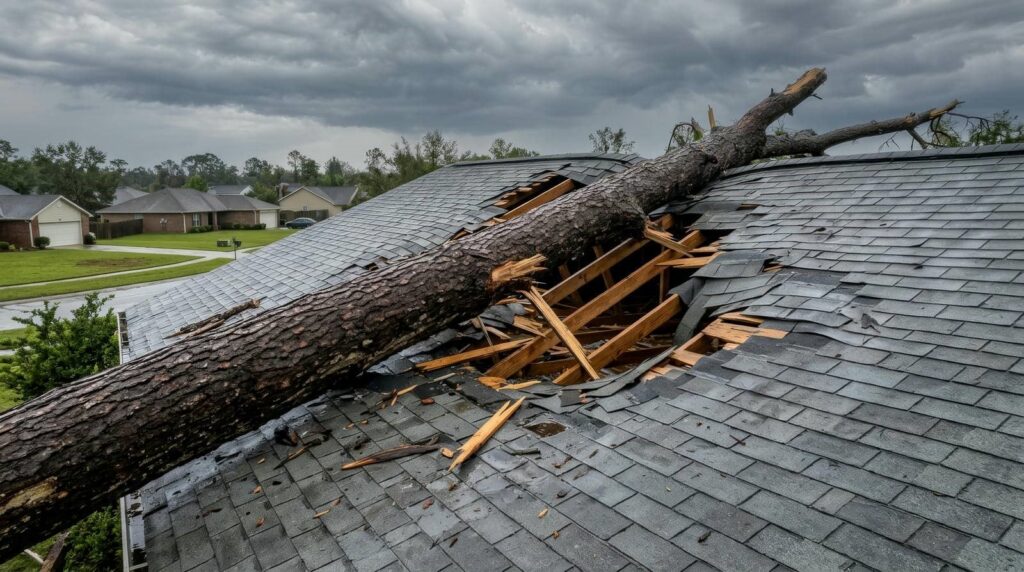
When you schedule a storm damage repair inspection, you’re not just looking for obvious roof problems. Professionals check missing shingles, damaged flashing, hidden leaks, warped drywall, musty odors, cracked siding, and gutter drainage. They also document every issue with photos and notes so you can understand what’s urgent and what’s cosmetic. The real question is how much damage the storm caused beyond what you can see.
Key Takeaways
- Professionals inspect roofs for missing, cracked, curled, or lifted shingles, plus damaged flashing, granule loss, and dented metal.
- They check for hidden water damage, including soft drywall, warped trim, damp framing, musty odors, and elevated moisture readings.
- They assess siding, windows, and gutters for cracks, warping, loose panels, broken seals, dents, separation, and poor drainage.
- Inspectors document all damage with photos and notes, then separate urgent repairs from issues that can wait.
- They prepare a repair scope and estimate to support insurance claims, clarify damage severity, and guide recovery planning.
What a Storm Damage Inspection Covers
A storm damage inspection covers a careful review of your property to identify visible and hidden impacts from wind, hail, rain, debris, and other severe weather.
During a storm damage repair inspection, you can expect a professional to assess exterior materials, structural connections, openings, and drainage paths for signs of weakening or intrusion. They also document conditions with photos and notes, so you’ve got a clear record for repair planning and insurance review.
The process helps you understand what’s urgent, what can wait, and what may have spread beyond the obvious damage. By relying on a thorough evaluation, you join other property owners who protect their homes with informed decisions and targeted repairs.
This approach reduces uncertainty and supports a safer recovery.
Roof Damage Signs Inspectors Check For
After a storm, inspectors look for roof damage signs that often start small but can lead to leaks or structural problems if you miss them.
You’ll see them check shingles for curling, cracking, or missing tabs, because these gaps can expose your home to weather stress.
They also examine flashing around vents, chimneys, and valleys for separation or impact marks.
Granule loss, lifted edges, and dented metal tell a clear story about how hard the roof took the hit.
- You may feel relieved when loose shingles are found early.
- You may feel anxious seeing hail dents across a trusted roof.
- You may feel reassured when a precise inspection confirms the damage.
Hidden Water Damage Inspectors Look For
Water intrusion isn’t always obvious, so inspectors also look for hidden damage that can spread behind walls, under insulation, and beneath ceiling surfaces.
You may not see staining right away, but professionals test for soft drywall, warped trim, damp framing, and elevated moisture levels in enclosed spaces.
They also watch for musty odors, peeling paint, bubbling texture, and rust on fasteners, which often signal trapped water.
If you’ve weathered a storm, these checks help confirm whether moisture has entered the building envelope and stayed long enough to cause decay or mold risk.
Careful inspection gives you confidence that your repair plan addresses the full extent of damage, not just the visible surface.
Why Inspectors Check Siding, Windows, and Gutters
You should inspect siding for cracks, warping, loose panels, or impact marks, because these often show where storm forces compromised the exterior shell.
You should also check windows and gutters for broken seals, displaced frames, and blockages, since these issues can let in water and signal broader damage.
Siding Impact Assessment
When a storm passes, inspectors focus on siding, windows, and gutters because these exterior components often reveal the earliest signs of impact and water intrusion.
You’ll see them examine siding for dents, cracks, loosened panels, and seam separation that can let moisture reach the structure. They compare damage patterns to wind direction and debris paths, which helps you understand whether the impact was isolated or widespread.
Careful siding assessment also shows whether repairs will stay within a local area or extend across entire elevations.
- You gain clarity when visible marks match the storm’s force.
- You feel reassured when hidden leaks get caught early.
- You belong to a process that protects your home with precision.
This approach helps you make informed, confident repair decisions.
Window And Gutter Checks
Inspectors check windows and gutters because both systems often reveal storm-related failures that siding alone can miss. You’ll see them look for cracked glass, loose seals, bent frames, and moisture around sills, since these signs can point to wind pressure or hidden water intrusion.
They also examine gutters for dents, separation, clogging, and improper slope, because damaged drainage can send water back toward your walls and foundation.
When they compare siding, windows, and gutters together, they can trace how the storm moved across your home and identify weak points with greater confidence.
That coordinated review helps you understand what needs repair now, what needs monitoring, and how your home fits back into a safe, stable condition for everyone inside.
What’s in a Storm Damage Inspection Report
Your storm damage inspection report usually starts with a damage findings summary, which clearly identifies what was affected and how severe the issues are.
It then outlines repair scope details so you can see exactly what work’s recommended and which materials or components need attention.
Damage Findings Summary
A clear damage findings summary distills the inspection into the issues that matter most, showing exactly what the storm affected, where the damage appears, and how severe it is.
You get a factual snapshot that helps you feel informed, not overwhelmed, because it sorts visible concerns by priority and location. Your report may note roof lifts, broken shingles, water intrusion, siding impacts, or window stress, using plain terms you can trust.
This section helps you see patterns across the property and understand whether damage looks isolated or widespread. It also gives you a shared reference point with inspectors, adjusters, and trusted contractors.
- You can recognize what changed.
- You can compare damage with confidence.
- You can stay connected to a clear, consistent picture.
Repair Scope Details
Building on the damage findings summary, the repair scope details translate observations into a practical plan for restoration.
You’ll see each affected system listed, from roofing and flashing to siding, gutters, framing, and interior finishes. The report should specify what needs repair, replacement, or further testing, so you can compare options with confidence.
It often includes material quantities, labor assumptions, safety concerns, and code-related items that shape the job. If hidden damage may exist, the scope should note exploratory work or moisture checks.
This section helps you understand what the contractor must address and what your insurer may review. When it’s clear and complete, you can move forward with the crew that fits your home, your timeline, and your standards.
When Storm Damage Needs Emergency Repairs
When storm damage compromises the structure, safety, or weatherproofing of a property, emergency repairs become necessary to prevent further loss. You should act quickly if you see exposed framing, active leaks, broken windows, or sagging roof sections.
These conditions let water, wind, and debris keep damaging the home and can make normal use unsafe. You’re not overreacting; you’re protecting your space and the people who rely on it.
- Stop worsening interior damage fast.
- Reduce immediate hazards with urgent stabilization.
- Restore a secure, weather-tight envelope.
A professional inspector can identify which problems need immediate action and which can wait. That clear distinction helps you stay calm, make practical decisions, and move forward with others who understand the pressure of storm recovery.
How a Storm Damage Inspection Protects Your Claim
A thorough storm damage inspection helps you document losses before they get worse or become harder to prove. You get a clear record of roof impacts, siding cracks, water intrusion, and hidden structural issues, which strengthens your claim with facts instead of estimates alone.
An inspector can photograph damage, note dates, identify likely causes, and separate storm-related problems from preexisting wear. That detail helps your adjuster understand what happened and reduces the chance of disputes.
You also gain leverage if the insurer questions scope, timing, or repair costs. When you work with a qualified professional, you’re not guiding through the process alone. You’re backed by objective evidence that supports a fair outcome and helps your property move toward recovery with confidence and belonging.
Frequently Asked Questions
How Soon Should I Schedule a Storm Damage Inspection After the Storm?
Schedule it right away, ideally within 24 to 48 hours. You’ll catch hidden damage early, reduce worsening leaks, and document issues quickly. If access is unsafe, wait until conditions stabilize, then call promptly.
Can a Storm Damage Inspection Find Pre-Existing Damage?
Yes, you can, and inspectors often do. They’ll compare current conditions, document distinct defects, and distinguish storm-related harm from older issues. You’ll get a fair, factual evaluation that supports your claim and confidence.
Do I Need to Be Present During the Inspection?
No, you don’t need to be present, though you can help clarify concerns and access issues. You’ll still get a thorough report, and your involvement can make the inspection smoother and more complete.
How Long Does a Professional Storm Damage Inspection Usually Take?
You’ll usually spend 30 minutes to 2 hours, depending on your property’s size and damage severity. Bigger roofs, hidden leaks, or structural concerns can extend it, but inspectors work efficiently and keep you informed.
Will an Inspection Help if I’M Unsure a Storm Caused the Damage?
Yes, it can help you determine whether the damage came from a storm, since you’ll get an objective assessment, evidence-based findings, and clearer next steps for repairs, insurance claims, and peace of mind.
Conclusion
In the end, a storm damage repair inspection gives you a clear picture of what the weather left behind and what may still be quietly developing. You can catch missing shingles, hidden moisture, and worn seals before they become larger concerns. With careful documentation, you’re better positioned to make informed decisions and support your claim. When you act early, you’re not just restoring your property—you’re gently steering it back toward stability.