
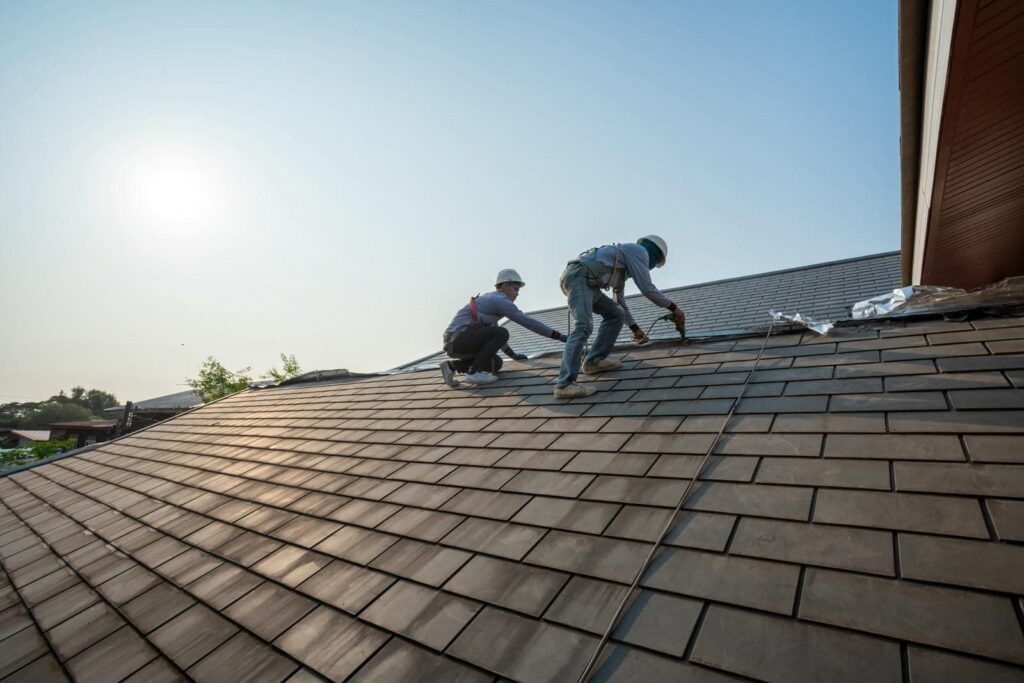
When it comes to roof installation, understanding inspection requirements is essential for compliance and structural integrity. You need to submit detailed plans and specifications for permits, which vary by location. A thorough inspection checklist ensures you evaluate key elements like underlayment, flashing, and ventilation. Failing to adhere to these standards can lead to significant issues. So, what are the critical steps you need to take to ensure a successful inspection?
Key Takeaways
- Obtain necessary permits before installation to ensure compliance with local roofing regulations and avoid potential fines.
- Use a structured checklist during inspections to evaluate alignment, fastening, and overall roof integrity.
- Regularly inspect flashing and ventilation systems to prevent leaks and moisture buildup, addressing any gaps or deterioration.
- Hire a certified inspector for expert evaluation of roofing systems and adherence to local building codes.
- Conduct post-installation checks, including annual flashing inspections and quarterly material condition assessments, to maintain roof integrity.
Essential Roof Installation Permits
When planning a roof installation, obtaining the necessary permits is essential to ensure compliance with local regulations.
You need to understand the specific roofing regulations in your area, as these can vary greatly. Start by researching the required permit applications for your project, making sure you provide accurate and complete information.
This process typically involves submitting detailed plans and specifications, along with any necessary fees. Failing to secure the right permits can lead to costly fines or even the need to remove non-compliant work.
Critical Steps in Roof Installation Inspection
Securing the right permits is just the first step in ensuring a successful roof installation.
Next, you should follow a structured inspection checklist to evaluate the roof material and installation quality thoroughly. Start by checking the underlayment for proper alignment and secure fastening.
Examine the roof material for any damage or defects, confirming it meets local building codes. Verify that all flashing is installed correctly to prevent leaks.
Pay close attention to ventilation systems; they’re essential for long-term performance. Finally, make sure that all fasteners are properly seated and sealed.
Frequent Mistakes in Roof Inspection
When inspecting a roof, you can’t afford to ignore flashing issues, as these are critical to preventing leaks.
Additionally, overlooking ventilation needs can lead to moisture buildup, which compromises the roof’s integrity.
Addressing these common mistakes ensures a thorough and effective inspection.
Ignoring Flashing Issues
Flashing issues often go unnoticed during roof inspections, yet they play an essential role in preventing water infiltration. When you overlook flashing, you risk significant damage. Proper flashing installation and the use of quality flashing materials are vital.
| Flashing Type | Common Issues |
|---|---|
| Roof-to-Wall | Improper alignment |
| Chimney Flashing | Missing or damaged flashing |
| Skylight Flashing | Inadequate sealing |
| Valleys | Debris accumulation |
Inspect these areas thoroughly. Look for gaps, cracks, or deterioration in the flashing. If you find any problems, address them immediately to maintain your roof’s integrity and protect your home. Don’t let flashing issues be the weak link in your roof’s defense.
Overlooking Ventilation Needs
Ignoring ventilation needs can lead to serious long-term issues, even when flashing is properly installed. Effective airflow management is essential for maintaining your roof’s integrity and extending its lifespan.
Different ventilation types, such as ridge vents, soffit vents, and gable vents, play specific roles in regulating temperature and moisture levels. When inspecting your roof, verify that these systems are adequately installed and unobstructed.
Failure to address ventilation can result in trapped heat and humidity, leading to mold growth and premature shingle deterioration. By prioritizing proper ventilation, you enhance your roof’s performance and foster a healthier living environment.
Your attention to detail demonstrates commitment to quality and community standards that everyone can appreciate.
Why You Should Hire a Certified Inspector
Hiring a certified inspector is essential, as they possess the expertise to identify potential issues that may go unnoticed by the untrained eye. Their inspection qualifications ensure they understand the complexities of roofing systems, from materials to installation techniques.
With years of inspector experience, they can spot flaws in ventilation, drainage, and structural integrity, which can lead to costly repairs down the line. Furthermore, certified inspectors stay updated on local building codes and standards, giving you peace of mind that your roof meets all requirements.
Post-Installation Checks
Once the roof installation is complete, conducting post-installation checks is essential to confirm everything meets the required standards. These checks verify your roofing material durability and help identify any issues before they escalate. Here’s a quick reference table for key aspects to inspect:
| Check Type | Purpose | Frequency |
|---|---|---|
| Flashing Inspection | Prevent leaks | Annually |
| Sealing Review | Verify integrity of joints | Biannually |
| Drainage Assessment | Prevent water accumulation | After heavy rains |
| Material Condition Check | Assess wear and tear | Quarterly |
Regular post-installation maintenance extends the life of your roof and fosters a sense of belonging in a community that values quality and safety.
How to Prepare for Your Roof Inspection
After completing post-installation checks, preparing for your roof inspection is the next step to secure long-term reliability.
Start by reviewing your inspection checklist, making certain you’ve covered key areas such as flashing, shingles, and drainage systems.
Check for any debris or overhanging branches that could obstruct the inspection process.
It’s also wise to document any prior roof maintenance to provide context for the inspector.
Ensure easy access to your roof, whether through a ladder or designated access points.
Finally, communicate any concerns you have about potential issues; this helps the inspector focus on areas that matter most to you.
Frequently Asked Questions
What Types of Roofing Materials Require Specific Inspection Criteria?
Metal roofing inspections focus on fastening and corrosion resistance, while asphalt shingle criteria emphasize alignment and proper sealing. Understanding these specifics ensures your roof meets safety standards and enhances your home’s longevity and value.
How Often Should Roof Inspections Be Performed After Installation?
You should schedule roof inspections at least annually post installation. For peak performance, consider increasing inspection frequency after severe weather events or if you notice any potential issues, ensuring your roof remains in top condition.
Can Homeowners Conduct Their Own Roof Inspections Legally?
Can you really trust your own eyes for roof inspections? As a homeowner, you can conduct DIY inspections legally, but remember, thorough knowledge of roofing specifics is essential to fulfill your responsibilities effectively and safely.
What Are the Signs of a Poorly Installed Roof?
You’ll notice signs of a poorly installed roof through misaligned shingles and flashing issues. Check for gaps, water stains, and uneven surfaces, as these indicate potential leaks and structural problems that could compromise your home’s integrity.
Are There Warranties That Cover Inspection Failures?
Yes, some warranties cover inspection failures, but they often hinge on specific inspection standards. While a strong warranty provides peace of mind, you must ensure your installation meets those rigorous standards to avoid future issues.
Final Thoughts
Ensuring your roof installation meets all inspection requirements is essential for your home’s safety and longevity. Have you considered the potential consequences of neglecting these important steps? By following the outlined procedures and hiring a certified inspector, you safeguard against future structural issues and costly fines. Remember, a well-inspected roof protects your investment and provides peace of mind for years to come. Don’t leave it to chance—take action today!