
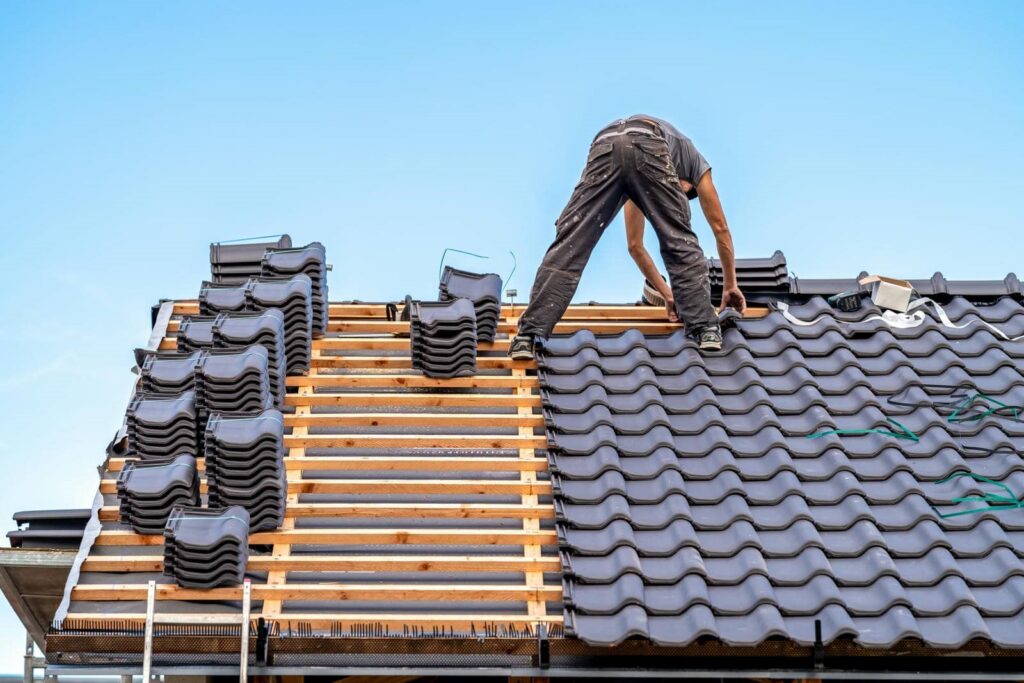
When you invest in a new roof, understanding the warranty can save you headaches later. Roof installation warranties come in two main types: those that cover materials and those that protect against poor workmanship. Knowing the details of these warranties is essential, especially when it comes to exclusions and claims. So, what should you look for to ensure your investment is truly safeguarded?
Key Takeaways
Understand the difference between manufacturer warranties, which cover materials, and workmanship warranties, which cover installation quality.
Check the duration of warranties; material warranties can last 20-50 years, while workmanship warranties typically range from 1-10 years.
Be aware of common warranty exclusions, such as damage from severe weather or improper maintenance, which can affect coverage.
Choose a reputable contractor, as their installation quality directly impacts warranty validity and long-term roof performance.
Always read the fine print and clarify terms with contractors to ensure you understand coverage limits and renewal options.
Types of Roof Installation Warranties: What Homeowners Should Know
When you’re considering a new roof, it’s essential to understand the different types of roof installation warranties available to you.
Primarily, you’ll encounter two main categories: manufacturer warranties and workmanship warranties. Manufacturer warranties cover materials, while workmanship warranties focus on installation quality.
It’s important to note that warranty transferability can vary between types; some allow you to transfer coverage to a new homeowner, which can add value.
However, there are common misconceptions about warranties—like assuming all warranties are the same or that they cover everything indefinitely.
What Roof Warranties Cover: Materials vs. Workmanship Explained
When you’re considering a roof warranty, it’s essential to understand what it covers.
Material coverage focuses on the quality of the roofing products, while workmanship guarantees the installation process itself.
Knowing the duration of these warranties can help you make informed decisions and protect your investment.
Material Coverage Details
A solid understanding of what roof warranties cover can save you from unexpected costs down the road.
When it comes to materials, most warranties focus on the material lifespan and specify coverage limits. This means that if your roofing materials fail due to manufacturing defects, you might be eligible for repair or replacement under the warranty.
However, be mindful that coverage limits can vary considerably between manufacturers and products. Some warranties offer full coverage for a set period, while others may prorate costs as time passes.
Always read the fine print to ensure you’re aware of any exclusions. Knowing these details can empower you to make informed choices and protect your investment in your home.
Workmanship Guarantee Explained
While materials are essential to your roof’s performance, the workmanship guarantee is equally important. This guarantee ensures that your roof is installed according to high workmanship standards, which directly affect its longevity and durability.
When you choose a roofing contractor, it’s important to ask about their workmanship guarantee and how they enforce it. A solid guarantee provides peace of mind, knowing that if any issues arise due to installation errors, you’ll have support to address them.
Keep in mind that not all warranties are the same; some might cover a limited time, while others offer more extended protection. Understanding these details can help you feel secure in your investment and build a lasting relationship with your contractor.
Duration of Warranties
Understanding the duration of roof warranties is essential, as it directly influences your roofing investment’s protection. Typically, warranties cover materials for 20-50 years, while workmanship guarantees last 1-10 years. Knowing these timeframes helps you anticipate warranty expiration and plan for potential renewal options.
Here’s a quick breakdown:
| Warranty Type | Duration |
|---|---|
| Materials Warranty | 20-50 years |
| Workmanship Warranty | 1-10 years |
| Limited Lifetime Warranty | Varies (check specifics) |
| Transferable Warranty | Potentially available |
| Renewal Options | Often available, check with contractor |
The Importance of Proper Installation for Warranty Validity
Proper installation is essential for ensuring your roof warranty remains valid, as even minor mistakes can lead to significant issues down the line.
When you choose a contractor, make sure they use proper installation techniques that align with your roofing material and manufacturer’s guidelines. Remember, warranty enforcement often hinges on this.
If a problem arises, the first thing manufacturers will check is whether the installation was done correctly. If it wasn’t, you could be left footing the bill for repairs.
Roof Warranty Exclusions
Even with a solid installation, roof warranties often come with exclusions that can catch homeowners off guard. Many people assume their warranty covers everything, but that’s a common misconception.
Exclusion criteria can vary greatly between manufacturers. For instance, damage from severe weather, improper maintenance, or even DIY repairs might void your coverage.
To avoid surprises, carefully read the fine print and ask your contractor to clarify any confusing terms. Understanding these exclusions helps you maintain a solid relationship with your roof and gives you peace of mind.
Duration of Roof Warranties
When it comes to roof warranties, understanding their duration can save you from unexpected costs down the line.
You’ll find various types of warranties, each with typical durations influenced by factors like material quality and installation practices.
Knowing these details can help you make informed decisions about your roof’s longevity and protection.
Types Of Roof Warranties
Understanding the various types of roof warranties is essential, especially since they can significantly impact your investment.
There are two main warranty types: manufacturer’s warranties and contractor’s warranties. Manufacturer’s warranties typically cover defects in materials, while contractor’s warranties focus on workmanship.
You’ll notice substantial coverage differences between these two, affecting how long you’re protected and what’s included. For example, a contractor’s warranty might cover leaks for a specific period, but only if the installation meets their standards.
It’s important to read the fine print and understand what each warranty entails. By doing so, you’ll be better equipped to choose the right warranty for your needs, ensuring your home remains safe and secure for years to come.
Typical Warranty Durations
Roof warranties typically range from 10 to 50 years, depending on the type and materials used. For instance, asphalt shingles usually offer shorter warranties, while metal roofs can last much longer.
It’s essential to register your warranty right after installation to ensure coverage. This step helps protect your investment and keeps you informed about any necessary maintenance tips.
When considering the future, remember that many warranties allow for warranty transfers if you decide to sell your home. This feature can make your property more appealing to potential buyers.
Factors Affecting Longevity
While selecting roofing materials, you’ll want to contemplate several factors that can greatly impact the longevity of your warranty. First, consider roof maintenance; regular inspections and prompt repairs can extend your roof’s life and keep your warranty intact. Neglecting maintenance might lead to issues that void your coverage.
Next, think about environmental factors like local weather conditions. Extreme temperatures, heavy rainfall, or high winds can wear down roofing materials faster than expected. Choosing materials specifically designed for your climate can help you maximize the lifespan of your roof and the warranty that comes with it.
Filing Your Warranty Claim: Tips to Make It Easy?
When you face issues with your roofing system, knowing how to file your warranty claim can streamline the process and reduce stress.
Here are some documentation tips to help you through the claim process:
Gather Evidence: Take clear photos of the damage and any relevant installation details.
Review Your Warranty: Understand what’s covered and the specific steps required to file your claim.
Keep Records: Document all communication with your roofing contractor and warranty provider.
Frequently Asked Questions
Can I Transfer My Roof Warranty to a New Homeowner?
Yes, you can often transfer your roof warranty to a new homeowner, but check the terms. You’ll need to verify the new homeowner meets any requirements, as warranty transferability usually involves certain homeowner responsibilities.
What Happens if My Roofing Contractor Goes Out of Business?
What if your contractor vanishes? You’re left with limited options. Without their support, you might struggle with warranty claims. Always check contractor liability and consider a backup plan before hiring to protect your investment.
Are There Any Maintenance Requirements to Keep the Warranty Valid?
Yes, to keep your warranty valid, you need to perform regular inspections and follow warranty maintenance guidelines. Staying proactive about roof care can prevent issues and ensure your investment is protected for years to come.
How Do I Know if My Warranty Is Still Active?
To check if your warranty’s still active, review the warranty duration and any exclusions. Contact your installer or manufacturer for confirmation, ensuring you understand any maintenance requirements that might affect its validity. Stay informed!
Can I Perform Repairs Myself Without Voiding the Warranty?
You can perform minor repairs, but check your warranty limitations first. Keep thorough repair documentation to ensure you don’t accidentally void the warranty. It’s best to consult your roofer for significant issues to stay covered.
Wrap-Up
Understanding roof installation warranties is key to protecting your investment. By knowing what’s covered and what’s not, ensuring proper installation, and choosing a reputable contractor, you set yourself up for success. Stay informed, stay proactive, and stay protected. With the right information and the right team, you can enjoy peace of mind today, tomorrow, and for years to come. Your roof deserves it, and so do you.