
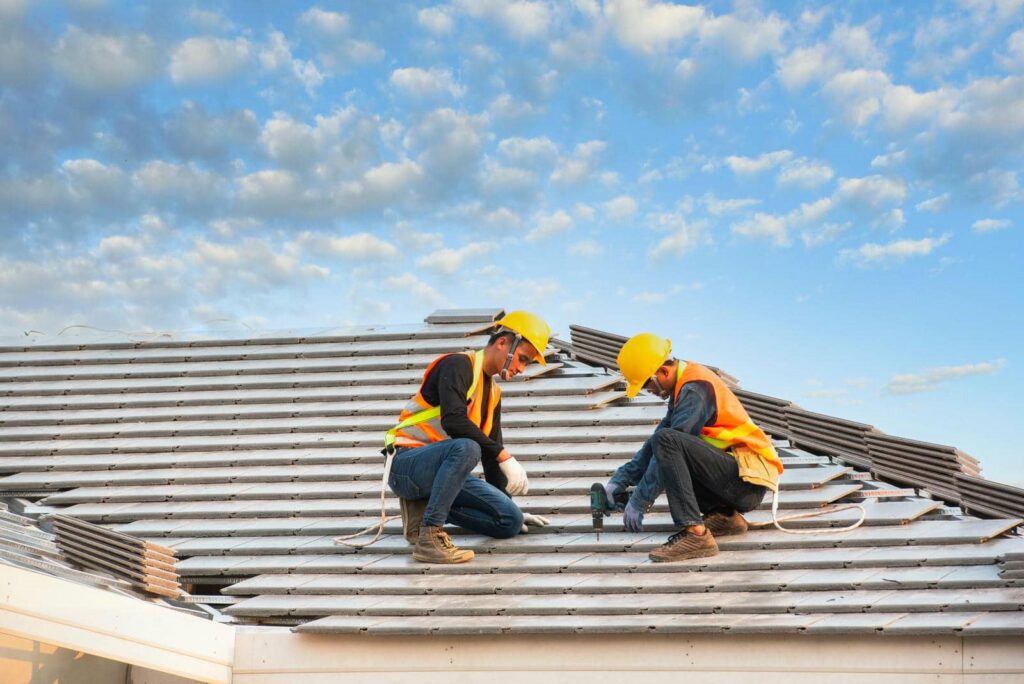
When it comes to roof installation, choosing the right materials is essential for both performance and longevity. You’ll find options like asphalt shingles, metal roofing, and tile or slate, each offering distinct advantages depending on your needs. Understanding the characteristics of these materials can help you make an informed decision. But how do you balance factors like climate, cost, and aesthetics to ensure your home remains well-protected? The answer might surprise you.
Key Takeaways
- Choose durable materials like metal or slate for long-lasting performance, exceeding 50 years with proper maintenance.
- Consider energy efficiency; metal roofing reflects heat, reducing cooling costs and enhancing comfort.
- Evaluate aesthetic appeal; tile and slate offer unique designs, enhancing curb appeal and property value.
- Factor in climate suitability; use asphalt in cold climates and metal or slate in humid areas for optimal performance.
- Assess installation costs; while asphalt is affordable, investing in metal or tile can lead to lower long-term replacement costs.
Best Roofing Materials: Asphalt, Metal, Tile & Slate
When choosing roofing materials, you’ll encounter four primary options: asphalt, metal, tile, and slate.
Asphalt shingles are popular due to their affordability and ease of installation, making them a great choice for many homeowners.
Metal panels offer durability and energy efficiency, though they might come with a higher initial cost.
If you’re looking for aesthetic appeal, tile designs provide a unique, Mediterranean look, but require a sturdy roof structure.
Finally, slate options stand out for their longevity and elegance, often lasting over a century with proper maintenance.
Each material has its strengths, so consider factors like cost, climate, and architectural style to find the best fit for your home.
Metal Roofing: Durability and Style
Metal roofing offers an impressive combination of durability and style, making it a top choice for many homeowners. With its long lifespan and aesthetic versatility, metal roofing benefits your home considerably.
You’ll appreciate its resistance to harsh weather conditions and low maintenance needs.
Consider these key points:
Longevity: Metal roofs can last over 50 years, reducing the need for frequent replacements.
Energy Efficiency: Reflective surfaces help in reducing cooling costs during hot months.
Variety of Styles: Available in numerous colors and finishes, metal roofing can complement any home design.
Understanding proper installation techniques is crucial for maximizing these benefits.
A well-installed metal roof enhances your home’s value and ensures long-term performance.
Advantages of Tile and Slate Roofing: Durability and Aesthetics
Tile and slate roofing stands out for its remarkable durability and aesthetic appeal, making it an excellent option for homeowners seeking a blend of functionality and elegance. With tile longevity often exceeding 50 years, you can trust it to withstand harsh weather conditions. Slate, known for its stunning aesthetics, adds a unique touch to any home, enhancing curb appeal.
| Feature | Tile Roofing |
|---|---|
| Lifespan | 50+ years |
| Weight | Moderate |
| Aesthetic Variety | Wide Range |
| Fire Resistance | Excellent |
| Maintenance | Low |
Choosing tile or slate ensures your roof performs well and elevates your home’s overall appearance, creating a lasting impression.
Eco-Friendly Roofing Choices: What to Consider
When choosing eco-friendly roofing options, you’ll want to contemplate sustainable materials that minimize environmental impact.
Energy-efficient roofs can considerably reduce your energy bills while enhancing your home’s comfort.
Additionally, look for materials that offer recycling and reusability, ensuring your investment benefits both you and the planet.
Sustainable Material Options
Many homeowners today are prioritizing eco-friendly roofing options that minimize environmental impact while maximizing durability and efficiency.
By choosing sustainable materials, you enhance your home’s value and contribute positively to the planet.
Here are some options to evaluate:
Recycled Shingles: Made from post-consumer waste, they reduce landfill usage and offer excellent protection.
Bamboo Roofing: Known for its strength and rapid renewability, bamboo is an innovative choice that supports sustainable practices.
Metal Roofing: Often made from recycled materials, metal roofs are durable and can be recycled at the end of their lifecycle.
Energy Efficiency Benefits
Choosing eco-friendly roofing materials enhances your home’s aesthetic and greatly boosts its energy efficiency. By opting for solar reflective materials, you can considerably reduce heat absorption, keeping your home cooler in the summer and lowering your energy bills.
Additionally, selecting the right insulation types, such as spray foam or recycled cellulose, improves thermal performance, minimizing energy loss throughout the year. These choices contribute to lower utility costs and reduce your carbon footprint, fostering a sustainable living environment.
When you prioritize energy-efficient roofing, you’re investing in your home’s longevity and comfort while making a positive impact on the planet. Embrace these eco-friendly options, and enjoy the benefits of a greener lifestyle.
Recycling and Reusability Factors
Eco-friendly roofing materials play a significant role in energy efficiency and in their potential for recycling and reusability. By choosing materials designed with sustainability in mind, you contribute to a greener future while ensuring durability and performance.
Consider these key factors:
Recycled materials: Opt for products made from reclaimed resources, reducing landfill waste.
Sustainable practices: Support manufacturers committed to eco-friendly production methods.
Reusability: Select materials that can be repurposed at the end of their life cycle, minimizing environmental impact.
Incorporating these elements into your roofing project enhances your home’s efficiency and aligns you with a community that values responsible choices.
Make a positive impact with your roofing decisions today.
Cost Comparison of Roofing Materials
When evaluating roofing materials, understanding the cost implications is essential for making an informed decision.
A thorough cost analysis reveals that materials like asphalt shingles are generally affordable upfront but may require replacement every 15-30 years.
In contrast, metal roofs, while more expensive initially, offer a longer material lifespan of 40-70 years, resulting in lower overall costs over time.
Slate and tile roofs provide durability but come with higher price tags.
It’s vital to factor in both initial costs and long-term savings when choosing a roofing material.
Choosing the Right Roofing Material for Your Climate?
When selecting roofing materials, consider how your climate impacts performance and durability.
Different materials offer unique benefits, from heat resistance in warmer areas to insulation in colder regions.
Additionally, energy efficiency plays an essential role in maintaining comfortable indoor temperatures and reducing utility costs.
Climate-Specific Material Benefits
Selecting the right roofing material is essential, especially since different climates impose unique demands on your home.
Understanding these demands helps ensure your roof performs at its best while enhancing your home’s value.
Cold Climates: Materials with high insulation properties, like asphalt shingles, retain heat effectively.
Humid Areas: Opt for materials with excellent moisture resistance, such as metal or slate, to prevent mold and rot.
Hot Regions: Lightweight materials, like tile, reflect sunlight and reduce heat absorption, ensuring a cooler interior.
Energy Efficiency Considerations
Understanding energy efficiency is essential for homeowners looking to optimize their roofing choices. Selecting the right roofing material can greatly impact your energy bills and overall comfort.
For warmer climates, consider materials with reflective coatings that help reduce heat absorption, keeping your home cooler. In cooler areas, focus on roofing systems that enhance insulation techniques, preventing heat loss during colder months.
Combining these materials with proper ventilation can boost energy efficiency even further. Always assess your local climate and energy needs to make informed decisions.
Frequently Asked Questions
How Long Does a Typical Roof Installation Take?
A typical roof installation takes one to three days, depending on roofing timelines and various installation factors like roof size, material type, and weather conditions. Planning ahead can help ensure a smoother process.
Can I Install New Roofing Over Existing Materials?
Yes, you can install new roofing over existing materials, but verify roof layering and material compatibility meet local codes. Proper assessment can prevent issues, enhance durability, and support a strong, reliable roofing system for your home.
What Are Common Roofing Installation Mistakes to Avoid?
To avoid common roofing installation mistakes, prioritize roofing safety and follow proper installation techniques. Skipping prep work, neglecting ventilation, or using inadequate fasteners can lead to costly repairs and compromise your roof’s integrity.
Do I Need a Permit for Roof Installation?
You’ll likely need a permit for roof installation, as roofing regulations vary by location. It’s wise to check local permit requirements to ensure compliance and avoid potential headaches during your project. Stay informed and prepared!
How Can I Maintain My Roof After Installation?
To maintain your roof after installation, schedule regular roof inspections and follow key maintenance tips. Clean debris, check for leaks, and ensure proper drainage to prolong your roof’s lifespan and protect your home effectively.
Review
When it comes to roofing, envision your home protected by materials that withstand the elements and enhance its beauty. Whether you opt for the affordability of asphalt shingles or the enduring elegance of tile, each choice shapes your home’s future. Picture a metal roof gleaming under the sun, promising decades of low maintenance. Ultimately, selecting the right material tailors your roof to your climate, budget, and aesthetic desires, ensuring a solid investment for years to come.