
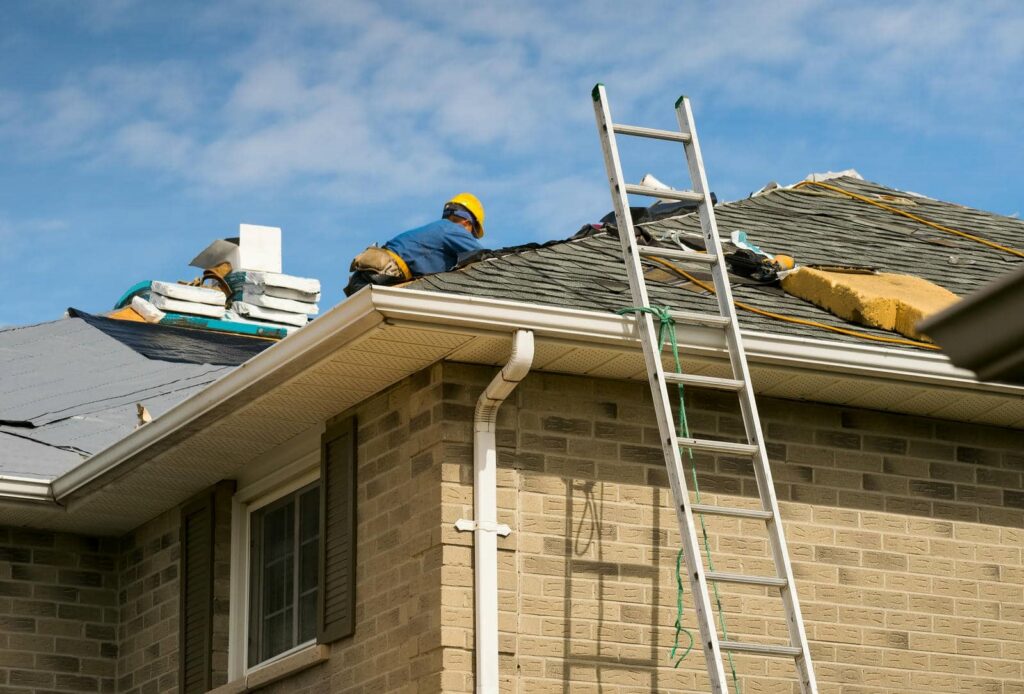
A roof repair quote can look fine and still hide problems. You need to verify license and insurance, compare written estimates, and inspect reviews and project photos for consistent results. Ask direct questions about materials, timelines, and warranty terms before you agree to anything. Watch for vague pricing or pressure tactics, because those often signal trouble, and the contract should spell out every detail before work starts.
Key Takeaways
- Choose a contractor who inspects the damage, explains the cause, and provides a clear repair plan.
- Verify the contractor’s license, insurance, and any required local permits before hiring.
- Check recent reviews, older feedback, and project photos for consistent quality and communication.
- Compare itemized estimates to ensure the same repair scope, materials, and warranty terms.
- Require a written contract with all details documented to avoid hidden charges and disputes.
How to Identify a Reliable Roof Repair Contractor
How do you spot a reliable roof repair contractor? You start by choosing a roof repair contractor who inspects the damage, explains the cause, and gives you a clear repair plan.
Look for specific details on materials, labor steps, timelines, and cleanup, not vague promises. A dependable pro answers questions directly and shows you photos, measurements, or notes from the roof.
You should also check whether they communicate promptly and keep commitments, because that signals organized work and steady follow-through.
Ask for a written estimate that matches the scope you discussed. When the contractor listens to your concerns and respects your budget, you’ll feel like part of a crew that values your home.
That’s the kind of partner you can trust for lasting repairs.
Verify License and Insurance
You should verify that the contractor holds a valid license for your area and that it matches the roofing work you’re hiring them to perform.
Ask for proof of insurance, including general liability and workers’ compensation, so you’re not exposed to job-site claims or injury costs.
Confirm both documents before work starts, and keep copies for your records.
License Verification
Before hiring a roof repair contractor, verify that they hold a valid license and carry both liability and workers’ compensation insurance. You should ask for the license number, then check it on your state’s licensing board website.
Confirm that the business name, owner name, and license status match the documents you receive. Look for current standing, not expired, suspended, or revoked credentials.
If your area requires specialty permits or local registration, verify those too. A legitimate contractor won’t hesitate to share this information.
When you confirm licensing up front, you join the group of homeowners who protect their property with due diligence. This simple step helps you avoid unqualified crews, code issues, and costly delays.
Insurance Coverage
Insurance coverage is a critical safeguard when hiring a roof repair contractor. You should ask for current proof of general liability and workers’ compensation before work starts.
Liability coverage helps pay for accidental damage to your home, landscaping, or neighboring property. Workers’ comp protects you if a crew member gets hurt on your roof, so you’re not exposed to medical or legal claims.
Verify the policy dates, coverage limits, and insurer name directly with the provider. Don’t accept vague assurances or expired certificates. If a contractor can’t show coverage, keep looking.
You deserve a team that works safely, follows requirements, and protects your investment. Clear insurance shows professionalism, reduces risk, and helps you feel confident that you’re choosing someone who belongs on your property.
Check Reviews and Project Photos
Check reviews and project photos to verify a contractor’s workmanship, reliability, and consistency. You’ll spot patterns faster than from a sales pitch: look for repeated praise about punctuality, cleanup, communication, and repair durability.
Read both recent and older reviews so you can see whether performance stays steady over time. Pay attention to how the contractor responds to criticism; clear, respectful replies signal accountability.
Then review photos for matching damage, clean flashing work, tight shingle alignment, and neat sealant application. Before-and-after images should show repairs that blend with the roof, not patchwork shortcuts.
If the portfolio feels thin or inconsistent, keep looking. You deserve a contractor whose results and reputation make you feel confident joining the homeowners who got lasting repairs.
Compare Roof Repair Estimates
How do you compare roof repair estimates without getting misled by a low price? Start by lining up each bid item by item: labor, materials, underlayment, flashing, disposal, permits, and cleanup.
You need the same repair scope in every estimate, or the numbers won’t mean much. Watch for vague labels like “miscellaneous” or “allowance”; those can hide added costs later.
Check material grades, warranty terms, and estimated work time, since cheaper bids sometimes cut corners on durability.
Ask yourself whether the contractor included the details you’d want on your own roof, because that’s how trusted homeowners protect their budgets.
A fair estimate should feel complete, transparent, and specific. When several bids cluster closely, you’ve probably found the true market range for your repair.
Questions to Ask Before You Hire?
Once you’ve compared estimates, the next step is to question each contractor’s process, credentials, and accountability.
Ask who’ll perform the work, how they’ll protect decking and landscaping, and what repair methods they recommend for your roof type. Confirm license, insurance, and manufacturer training, then request recent references from jobs like yours.
You should also ask how they document hidden damage, communicate changes, and handle warranty claims. A solid contractor explains scope, materials, schedule, and cleanup in plain terms, so you know exactly what you’re joining.
Listen for clear, direct answers and consistent details. If they welcome your questions, you’re more likely to work with a team that values your home and your trust, not just the contract.
Roof Repair Scam Red Flags
You should watch for high-pressure sales tactics, like demands to sign immediately or claims that the offer expires today.
You should also treat vague written estimates as a warning sign, especially when the scope, materials, labor, and timeline aren’t clearly itemized.
If a contractor won’t document the work in precise terms, you shouldn’t move forward.
High-Pressure Sales Tactics
Why rush a roof repair decision when a trustworthy contractor should be able to explain the work clearly and give you time to compare options?
If someone pushes you to sign today, claims the price will vanish tonight, or says your roof is an emergency only they can fix, treat that as a red flag.
A solid contractor lets you inspect the issue, ask questions, and review options without pressure. You should feel included, not cornered.
Watch for tactics like fear-based warnings, repeated calls, or demands for an immediate deposit. These moves can hide poor workmanship or inflated costs.
The right pro respects your schedule, answers directly, and builds trust through facts.
When you stay calm and set the pace, you protect your home and your budget.
Vague Written Estimates
Clarity matters when you review a roof repair estimate, because vague wording can hide extra charges or incomplete work. You should expect itemized labor, materials, tear-off, disposal, flashing, underlayment, and cleanup.
If the contractor writes “repairs as needed” or “miscellaneous costs,” ask for specifics before you sign. A reliable estimate states roof areas, product names, quantities, warranty terms, payment schedule, and change-order rules.
You deserve a team that explains every line in plain language, so you can compare bids fairly and protect your budget. If the document leaves out permit fees, site protection, or debris removal, request a revised estimate.
Clear paperwork helps you join the group of homeowners who avoid surprises and get lasting repairs from a contractor you can trust.
Get the Contract in Writing
Before any work starts, get a written contract that spells out the scope of repairs, materials, labor costs, payment schedule, start and finish dates, warranty terms, and how change orders get approved. You protect yourself when every detail sits on paper, not in memory. If your contractor misses a step, you can point to the agreement and keep the job on track.
- Verify the legal business name and license number.
- Match each line item to the inspection findings.
- Keep signed copies, receipts, and photos together.
A clear contract helps you feel included in the process because everyone works from the same plan. It also reduces disputes, limits surprise charges, and gives you a solid record if you need to enforce warranty coverage or resolve a claim later.
Frequently Asked Questions
How Long Should a Typical Roof Repair Take?
A typical roof repair takes a few hours to a day, and larger jobs may need two to three days. You’ll get faster results when you schedule promptly and keep communication clear with your contractor.
What Roof Repair Materials Last the Longest?
Slate and metal last longest; you’ll usually get 50+ years. You should also consider copper, which can exceed 70 years. Choose matching underlayment, fasteners, and sealants, or your repair won’t hold up.
Can Roof Repairs Be Done in Bad Weather?
No, you generally shouldn’t repair roofs in bad weather because you’ll increase slip risk and compromise sealants. You should wait for dry, calm conditions, then schedule temporary tarping if leaks demand immediate protection.
Will My Homeowner’s Insurance Cover the Repair?
Maybe—about 1 in 50 homeowners files a roof claim yearly. You’ll likely get coverage for storm damage, but not wear. Check your policy, document damage, and ask your insurer before you schedule repairs.
How Often Should I Schedule Roof Inspections?
You should schedule roof inspections annually, and after major storms, since damage can hide early. If you notice leaks, missing shingles, or sagging, inspect sooner so you’re protected and your home stays secure.
Wrap-Up
When you choose a roof repair contractor, you don’t just protect your home—you protect your budget, timeline, and peace of mind. Verify the license, inspect insurance, compare written estimates, and watch for red flags before you sign anything. The right contractor will answer clearly, document every detail, and leave no room for guesswork. If something feels off, pause. The best choice is often the one that proves itself before the first shingle’s lifted.