
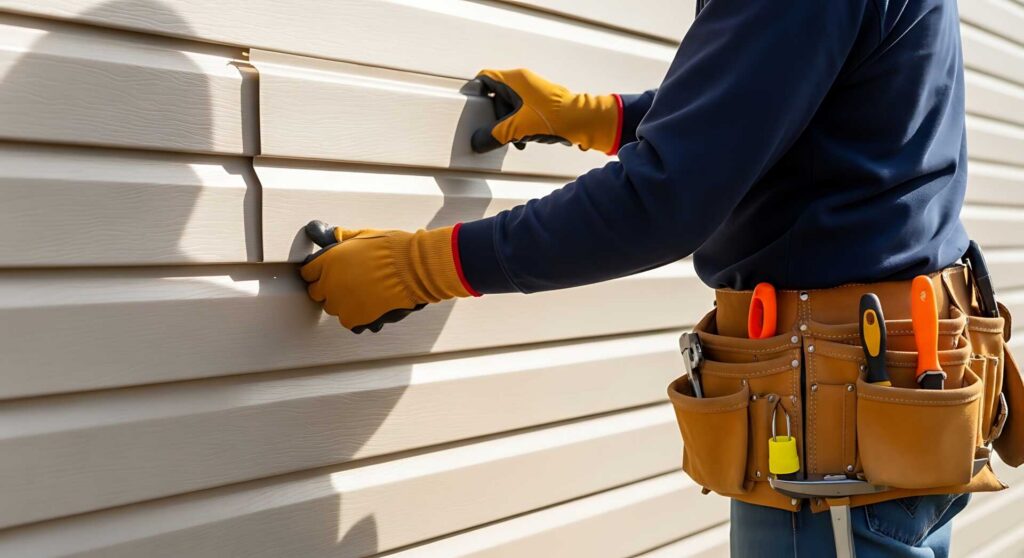
Choosing the right siding installation contractor starts with knowing what to check before you sign anything. You’ll want to confirm licenses, insurance, local experience, and a track record you can trust. Then look at how they communicate, what materials they recommend, and whether their quotes make sense. A good contractor can protect your home and your budget, but the wrong one can create costly problems you won’t see right away.
Key Takeaways
- Verify the contractor’s license, insurance, workers’ compensation, and local code experience before hiring.
- Choose someone who communicates clearly, shows up on time, and keeps the job site organized.
- Review a portfolio of similar siding projects for consistent quality, clean finishes, and strong workmanship.
- Compare siding materials, brands, warranties, and installation requirements to ensure lasting performance.
- Ask about timelines, crew structure, permits, and detailed quotes, and avoid vague or unrealistic estimates.
Check Licenses, Insurance, and Local Experience
Before you hire a siding contractor, make sure they carry the proper licenses and insurance, and ask how long they’ve worked in your area. You’ll protect your home and your peace of mind by verifying these basics first.
When choosing a siding installation contractor, request license numbers, proof of liability coverage, and workers’ compensation details. Then check whether they’ve handled homes like yours in your neighborhood’s climate and building codes.
Local experience matters because it helps them anticipate weather, permit, and material issues before they become costly surprises. You deserve a contractor who knows your community and respects your budget.
A quick call to your city or county office can confirm the paperwork, and it helps you move forward with confidence.
Traits of a Reliable Siding Contractor
Once you’ve confirmed the basics, look at how the contractor actually works. You want someone who answers calls, shows up on time, and explains each step without making you feel rushed.
A reliable siding contractor listens to your goals, respects your budget, and gives straight answers about materials, timelines, and possible delays. They keep the job site organized, protect your home, and clean up each day.
You should also notice consistency: they follow through on promises and handle small issues before they grow. Good contractors make you feel like you’re part of the process, not just another address.
When you trust their communication and professionalism, you’ll feel more confident choosing a team that treats your home like it matters.
Review Siding Contractor Portfolios
When you review a siding contractor’s portfolio, look for past project examples that match the style and scope of your home.
You can quickly judge work quality consistency by checking whether the finishes, details, and materials hold up across multiple jobs.
If the portfolio shows steady results, you’ll have more confidence in the contractor’s craftsmanship.
Past Project Examples
Past project examples give you a clear look at a siding contractor’s workmanship, attention to detail, and range of experience. When you review a portfolio, you can picture how well the team fits your home and your style.
Look for projects like yours so you feel confident you’re choosing a crew that understands your neighborhood and goals.
- Similar home styles
- Different siding materials
- Trim and corner details
- Before-and-after photos
- Finished exteriors in varied settings
Ask for a few recent examples and note how the finishes look up close. If the contractor shares projects proudly, that often means they value helping homeowners like you feel welcomed, informed, and assured before work begins.
Work Quality Consistency
A strong siding contractor should show consistent work quality across every project in their portfolio, not just one or two standout jobs.
When you review their past work, look for even lines, tight seams, clean trim, and proper color matching from house to house. You want to see the same care on small repairs and full installations, because that tells you the crew treats every homeowner with respect.
Ask whether the photos reflect recent jobs and similar materials to yours. If some projects look polished while others feel rushed, that’s a warning sign.
A reliable contractor builds trust by delivering the same solid result every time, so you can feel confident joining the many homeowners who’ve already chosen them.
Compare Materials, Warranties, and Workmanship
As you compare siding contractors, look beyond price and examine the materials they install, the warranties they offer, and the quality of their workmanship. You want a team that uses products suited to your home and climate, so you feel confident in the result and proud of the curb appeal you’ll share with neighbors.
Check for:
- trusted brands
- material thickness
- finish options
- coverage terms
- installation details
A strong warranty can protect both product and labor, but only if the contractor follows the manufacturer’s requirements.
Workmanship matters just as much, because careful flashing, straight lines, and clean seams help your siding last. Choose the contractor whose standards make you feel included, informed, and ready for years of dependable performance.
Questions to Ask Before You Hire
Once you’ve narrowed your options by comparing materials, warranties, and workmanship, it’s time to ask direct questions that reveal how each contractor actually works.
Ask who’ll manage your project, how many jobs they handle at once, and whether their crew is in-house or subcontracted. You should also ask about licensing, insurance, and local permit handling, so you know you’re protected.
Request a clear timeline, including start date, daily work hours, and cleanup plans. Ask how they communicate updates and how they’ll handle unexpected issues on site.
You deserve a contractor who answers plainly and makes you feel included. When you hear confident, specific responses, you can move forward knowing your home is in capable hands.
Red Flags in Siding Contractor Quotes
What should you watch for when a siding quote looks too good to be true? You should slow down and inspect the details before you join the “saved money” crowd.
Cheap bids often hide gaps that can cost you later. Look for:
- Missing labor or material line items
- Vague product names or no brand details
- Unrealistically short timelines
- Large upfront deposits
- No written warranty terms
If a contractor avoids specifics, you may face surprise charges, weak workmanship, or delays.
You deserve a quote that spells out scope, cleanup, permits, and disposal. Clear pricing helps you compare bids fairly and feel confident with your choice.
Trust your instincts if something feels off; a solid professional won’t make you guess.
How to Pick the Right Siding Contractor
Picking the right siding contractor starts with checking more than price—you need proof they can deliver solid work and stand behind it.
Ask for recent local references, verify licensing and insurance, and review photos of completed jobs similar to yours. You should also ask who’ll manage the crew, how they handle weather delays, and what materials they recommend for your home’s style and climate.
A contractor who listens, explains options clearly, and respects your budget helps you feel confident, not pushed.
Read the warranty carefully, and make sure the contract spells out timelines, cleanup, and payment stages.
When you choose someone reliable, you join a group of homeowners who protect their homes with smart, lasting decisions.
Frequently Asked Questions
How Long Does a Typical Siding Installation Take?
Most siding installations take you three to seven days, depending on your home’s size, material, weather, and repairs. You should expect faster jobs for smaller houses and longer timelines when crews uncover hidden damage.
What Weather Conditions Can Delay Siding Work?
Heavy rain, high winds, freezing temperatures, and extreme heat can delay siding work. You’ll want dry, mild weather so materials install properly, contractors stay safe, and you don’t risk warping, moisture damage, or poor adhesion.
How Should I Prepare My Home Before Installation?
You should clear outdoor furniture, trim plants, and secure pets before installation. Move valuables away from walls, open access points, and confirm power, water, and parking access so crews can work safely and efficiently.
Will Siding Installation Increase My Home’s Energy Efficiency?
Yes, siding installation can boost your home’s energy efficiency when you add proper insulation, seal gaps, and choose quality materials. You’ll feel more comfortable, lower drafts, and may see reduced heating and cooling costs.
How Often Should Siding Be Cleaned After Installation?
You should clean siding once or twice a year, or more often if you notice dirt, mold, or pollen buildup. You’ll keep it looking good and protect it longer by rinsing gently and inspecting regularly.
Recap
When you choose a siding contractor, you’re not just hiring a crew—you’re trusting someone to protect your home, much like a sturdy shield in a storm. You’ve checked licenses, compared portfolios, and weighed warranties, so now trust the facts, not the flash. Pick the contractor who communicates clearly, works cleanly, and stands behind the job. With the right choice, you’ll get lasting curb appeal, solid protection, and fewer headaches down the road.