
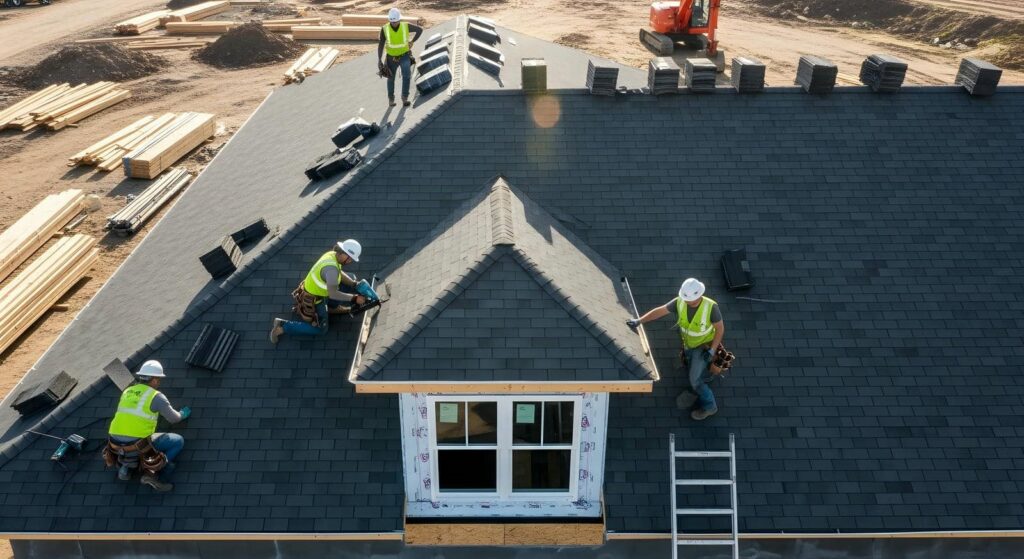
When it comes to siding installation, selecting the right material is essential for both aesthetics and durability. You’ll need to assess local climate conditions, maintenance demands, and how your choice aligns with energy efficiency standards. Each siding option has its own advantages and disadvantages, impacting your home’s overall value and curb appeal. Understanding these factors can help you make an informed decision; however, the nuances of style and installation can complicate your choices further.
Key Takeaways
- Assess local climate and neighborhood aesthetics to choose a siding material that complements both your home and the environment.
- Prioritize sustainable and durable materials that require minimal maintenance while enhancing your home’s structural integrity.
- Consider energy-efficient siding options, like insulated vinyl or fiberglass, to lower utility costs and improve overall efficiency.
- Evaluate siding styles and colors that align with your home’s architecture, enhancing curb appeal and marketability.
- Budget for all costs including installation, permits, and potential unforeseen expenses to ensure a successful siding project.
Choosing the Right Siding Material for Your Home
When selecting the right siding material for your home, what factors should you consider? First, think about current siding trends that align with your aesthetic and neighborhood. Materials like fiber cement and vinyl are popular for their versatility and cost-effectiveness.
Next, evaluate the environmental impact of your choices; opting for sustainable materials can showcase your commitment to eco-friendliness. Look for options with recycled content or low emissions.
Additionally, factor in your local climate, as some materials perform better in specific weather conditions.
Finally, consider maintenance requirements, as some siding types demand more upkeep than others. By prioritizing these elements, you’ll create a welcoming, stylish home while making informed, responsible choices.
Assessing Durability and Maintenance Requirements
Evaluating durability and maintenance requirements is essential for ensuring your siding investment withstands the test of time.
Start by examining the weather resistance of your chosen material. Options like fiber cement and vinyl offer excellent protection against harsh elements, while wood may require more frequent upkeep.
Consider the maintenance frequency; some materials need annual painting or sealing, while others might only require occasional washing.
Additionally, think about your local climate—extreme conditions can influence the longevity of your siding.
By selecting a durable option with manageable maintenance needs, you’ll enhance your home’s curb appeal while saving time and money in the long run.
Balancing these factors will help you make an informed, lasting choice.
Maximizing Energy Efficiency With Your Siding Choice
When choosing siding, consider insulation material options that enhance energy efficiency, such as foam board or insulated vinyl.
These materials can notably reduce heat loss and improve your home’s overall performance.
Additionally, look for Energy Star ratings to ensure your choice meets strict energy efficiency guidelines, helping you save on utility bills.
Insulation Material Options
Choosing the right insulation material for your siding can greatly enhance your home’s energy efficiency.
Insulation types like fiberglass, foam board, and spray foam offer distinct insulation benefits. Fiberglass is cost-effective and resistant to moisture, making it a popular choice.
Foam board, on the other hand, provides high R-values and can be easily installed over existing walls, ensuring minimal heat loss.
Spray foam expands to fill gaps, creating an airtight seal that improves indoor comfort.
By selecting the appropriate insulation material, you’re not just investing in energy savings but also contributing to a sustainable home environment.
With the right choice, you’ll enjoy lower utility bills and a cozier living space, fostering a sense of belonging in your home.
Energy Star Ratings
Understanding Energy Star ratings is essential for maximizing energy efficiency with your siding choice, as these ratings provide valuable insights into the performance of different materials.
When you select siding with a high Energy Star rating, you’re not just enhancing your home’s aesthetic; you’re also implementing effective energy conservation techniques. These ratings indicate how well materials retain heat and reduce energy consumption, making them ideal for eco-friendly materials.
By choosing siding that meets Energy Star standards, you contribute to a sustainable environment while lowering utility bills. Look for options that combine durability with energy efficiency, ensuring your home remains comfortable year-round.
Prioritize these ratings to align your choices with your values and community standards, fostering a sense of belonging.
How to Select Siding Styles That Match Your Home’s Architecture
When selecting siding styles, consider your home’s architectural design to ensure a cohesive look.
The materials you choose should complement the style and meet durability and maintenance requirements.
Pay attention to how textures and colors interact with existing elements to enhance your home’s overall appeal.
Architectural Style Considerations
Selecting the right siding for your home isn’t just about aesthetics; it also involves harmonizing with your home’s architectural style.
Consider traditional aesthetics when choosing siding that complements classic designs, like Colonial or Victorian homes. For modern interpretations, sleek materials and minimalist profiles can enhance contemporary structures.
Don’t overlook regional influences, as local climate and history can guide your choices—think of cedar shakes in coastal areas or brick in urban settings.
Aim for architectural harmony by selecting colors and textures that blend seamlessly with your home’s unique features.
Material Compatibility Factors
Choosing the right siding material goes beyond aesthetics; it’s about ensuring compatibility with your home’s architecture. The right choice enhances visual appeal and complements your home’s structural integrity.
Here are key factors to take into account:
Architectural Style: Match siding options with your home’s design—traditional, modern, or rustic.
Local Climate: Select materials that withstand the weather conditions in your area, ensuring longevity and performance.
Installation Techniques: Different materials require specific installation methods; understanding these will facilitate proper fittings and prevent future issues.
Budgeting for Siding: Cost Breakdown and Considerations
Budgeting for siding installation requires careful consideration of various factors that can greatly impact your overall expenses.
Start with a detailed cost comparison of materials, as prices can vary widely between options like vinyl, wood, and fiber cement. Factor in additional costs such as labor, permits, and disposal fees, which can sneak up on you.
Employ budget strategies by prioritizing your needs over wants; for instance, investing in durable materials may save you money in the long run.
Don’t forget to account for potential maintenance costs and energy efficiency improvements.
Finally, always set aside a contingency fund for unexpected expenses.
With diligent planning, you can ensure your siding project aligns with your financial goals while enhancing your home’s value.
Should You Hire Pros or Go DIY for Siding Installation?
When considering whether to hire professionals or tackle siding installation yourself, it’s essential to weigh your skills against the project’s demands. Here are some factors to keep in mind:
DIY Challenges: Are you prepared for the skill requirements and potential safety considerations?
Professional Benefits: Hiring pros can ensure quality work, often comes with warranty implications, and helps you meet tight installation timeframes.
Cost Comparisons: While DIY might seem cheaper, consider the hidden costs of tools and materials.
Ultimately, the project scope will dictate your choice. If you’re confident in your abilities and have the time, DIY can be rewarding.
However, for complex installations, professionals might be the safer bet. Choose what aligns best with your capabilities and goals.
Understanding Local Building Codes for Siding
Before diving into your siding installation project, it’s essential to understand local building codes, as they can greatly impact your plans.
Familiarizing yourself with local regulations ensures your project complies with necessary safety standards and avoids costly setbacks. You’ll likely need to obtain building permits and adhere to specific installation guidelines that align with zoning laws in your area.
Failure to comply can result in compliance checks that delay your project or even necessitate rework. Always consult your local building department for the most accurate information, as they can provide insights on required materials and techniques.
Enhancing Curb Appeal: Color and Texture Choices
To enhance your home’s curb appeal, choosing the right color and texture for your siding is essential.
Color psychology plays a vital role in how your home is perceived, influencing emotions and setting a tone. Pairing colors with the right textures can create inviting contrasts that draw attention.
Consider these factors:
Color Harmony: Choose shades that complement your neighborhood and landscape.
Texture Contrast: Mix smooth and rough surfaces to add depth and interest.
Seasonal Effects: Lighter colors can brighten up gloomy days, while richer tones provide warmth.
Planning for Long-Term Value and Resale Potential
While you might be excited about choosing siding that reflects your personal style, it’s important to take into account how these decisions impact your home’s long-term value and resale potential.
Selecting durable materials like fiber cement or high-quality vinyl can serve as a long-term investment, enhancing the structural integrity of your home.
Consider energy-efficient options that reduce utility costs while appealing to environmentally conscious buyers.
A well-thought-out resale strategy includes colors and textures that align with current market trends, ensuring your home remains competitive.
Frequently Asked Questions
What Is the Average Lifespan of Different Siding Materials?
Vinyl typically lasts 20-40 years due to its durability, while wood has a lifespan of 10-30 years. Fiber cement offers 50+ years of longevity, and metal siding can endure 40-70 years with proper maintenance.
Can I Install Siding Over Existing Materials?
You can install siding over existing materials, but it’s crucial to ensure stability and moisture barriers. Proper installation techniques will help you achieve a lasting finish, enhancing your home’s appeal and value considerably.
How Do Weather Conditions Affect Siding Performance?
Weather conditions dramatically affect siding performance. You need to contemplate climate factors like humidity and temperature fluctuations, as they influence weather resistance. Choosing the right material ensures durability and protects your home from potential damage.
What Are Common Siding Installation Mistakes to Avoid?
Installing siding’s like baking a cake—one wrong ingredient ruins it. Avoid common mistakes by carefully selecting siding materials and mastering installation techniques. Double-check measurements and ensure proper sealing to enhance longevity and performance.
How Can I Inspect My Siding for Damage?
To inspect your siding for damage, look for signs of deterioration like cracks, warping, or mold. Regularly check seams and joints, and follow siding maintenance tips to catch issues early and protect your home’s integrity.
Review
In choosing the right siding for your home, remember: “You get what you pay for.” Investing in quality materials and proper installation can greatly enhance your home’s durability and curb appeal. By considering factors like energy efficiency and architectural style, you’re protecting your investment and boosting resale potential. So take the time to weigh your options and make a choice that reflects your values and needs, ensuring long-term satisfaction and value.