
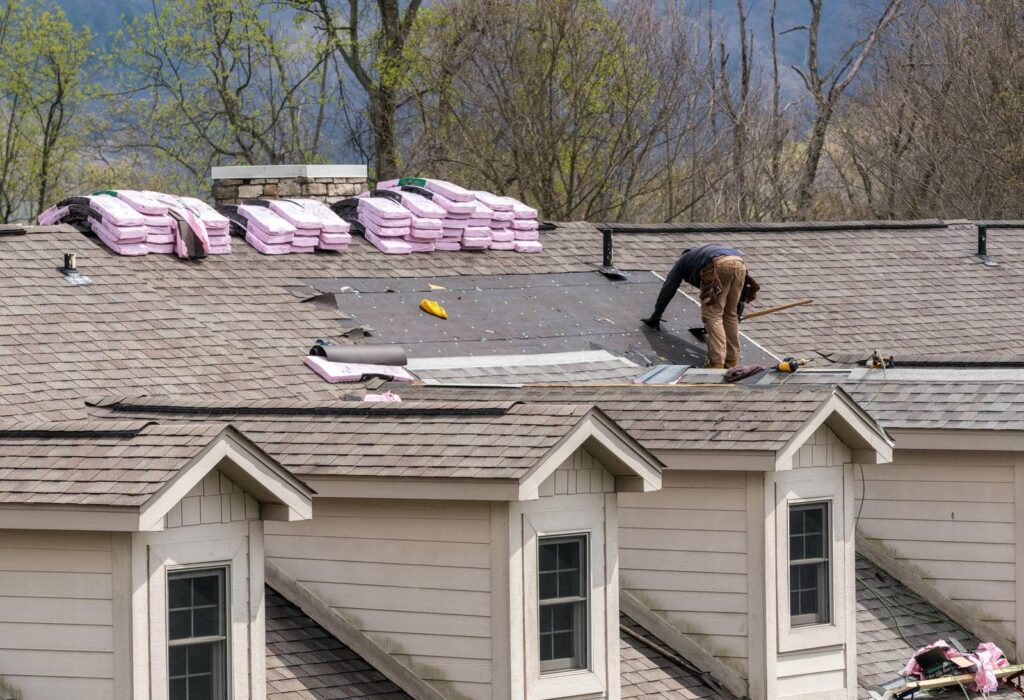
You may not realize that roof problems often show up long before water reaches your ceiling. Start by checking the roof from the ground for sagging lines, missing shingles, or granules in the gutters, then inspect flashing, sealants, and attic surfaces for stains or damp spots. You’ll also want to assess gutters, fascia, and soffits for soft areas or rust, because one small defect can signal a roof repair issue that’s already moving.
Key Takeaways
- Check the roof from the ground for sagging lines, uneven ridges, missing shingles, and debris in gutters.
- Inspect shingles for curling, cracking, lifted tabs, or brittle edges that need prompt repair.
- Look at flashing and sealant for rust, gaps, dents, or failed seals around roof penetrations.
- Examine the attic for dark stains, damp spots, mold, musty odors, or active dripping.
- Inspect gutters, fascia, and soffits for sagging, soft wood, peeling paint, blocked vents, and water damage.
Inspect Your Roof From the Ground
Start with a quick ground-level inspection so you can spot obvious roof damage without climbing up. Walk the perimeter and use binoculars if needed.
In your roof repair inspection checklist, look for sagging lines, uneven ridges, missing granules collecting in gutters, and debris buildup that may trap moisture.
Check that gutters hang straight and downspouts discharge properly; misalignment can signal fascia or roof-edge stress.
Scan for daylight through attic vents, stains on exterior walls, or moss spread that suggests lingering dampness.
Photograph anything unusual so you can compare changes later and share clear evidence with your roofing crew.
Inspect Shingles, Flashing, and Sealants for Damage
Move closer and inspect the shingles, flashing, and sealants for any signs of wear, cracking, or separation. You’re looking for a roof that still protects your home and your neighbors’ confidence in it.
Check each course for lifted tabs, missing granules, and brittle edges.
- Look for rust, dents, or gaps in flashing
- Confirm sealant lines stay flexible and intact
- Note curling, blistering, or broken shingles
- Watch for exposed nails or fasteners
- Mark any area that needs prompt repair
Use stable footing and avoid stepping on fragile sections. If you spot damage, document its location before you leave the area.
Quick, careful checks help you catch small issues early and keep your roof in the community of sound, dependable homes.
Check the Attic for Leak Signs
Head into the attic and look for evidence that water has been getting in, since leaks often show up there before they become visible in the living space.
Bring a bright flashlight, steady footing, and a dust mask, then scan the underside of the roof deck, rafters, and insulation for dark stains, damp spots, rusted fasteners, mold, or wood that feels soft.
Check after rain if you can, when fresh trails stand out. Follow any discoloration to its highest point to help pinpoint the entry area.
Note warped sheathing, compressed insulation, and musty odors, because these often signal ongoing moisture intrusion.
If you spot active dripping, protect the area and call a qualified roofer.
You’re doing the same careful work smart homeowners use to stay ahead together.
Check Gutters, Fascia, and Soffits
After checking the attic, inspect the roof’s edge components outside, since gutter, fascia, and soffit damage often points to drainage problems or hidden leaks.
Stand on stable ground or use a secured ladder, and work with a partner if you can. Look for:
- sagging gutters that trap water
- loose hangers or separated joints
- fascia boards with soft spots or peeling paint
- soffits with gaps, stains, or blocked vents
- rust, corrosion, or sealant failure at seams
You’re checking how well water leaves the roof and whether the edge stays ventilated.
Clean debris only if you can do it safely, and note any warped wood or overflowing sections. These details help you stay ahead of small issues and keep your home in the community of well-maintained roofs.
Spot Signs You Need Immediate Repair
If you notice active leaks, sagging roof sections, missing shingles, or daylight coming through the decking, treat the damage as urgent and schedule repairs right away.
You should also watch for curled shingles, exposed nail heads, cracked flashing, wet insulation, and staining on ceilings or walls. These symptoms often signal failed waterproofing or structural stress that can worsen after one storm.
Stay off steep or slippery areas, and inspect from the ground or a stable ladder only if conditions feel safe.
In a strong homeowner community, we look out for these warning signs early so everyone can protect their homes. Document what you see with photos, then call a qualified roofer promptly.
Fast action limits water intrusion, preserves framing, and helps you avoid larger, costlier repairs later.
Frequently Asked Questions
How Often Should Homeowners Schedule a Professional Roof Inspection?
You should schedule a professional roof inspection once a year, and after severe storms. You’ll catch hidden damage early, protect your home’s structural integrity, and stay confident your roof’s performing safely.
What Tools Do I Need for a Basic Roof Inspection?
You’ll need a sturdy ladder, non-slip shoes, binoculars, flashlight, gloves, tape measure, camera, and a notepad. Use a harness if you’ll climb up, and stay alert for loose shingles, soft spots, or debris.
Can I Inspect My Roof Safely After a Storm?
Yes, if you stay on the ground, use binoculars, and avoid damaged areas. You can inspect shingles, flashing, gutters, and debris, but you shouldn’t climb up if winds, leaks, or structural shifts remain.
How Much Does Typical Roof Repair Usually Cost?
Typical roof repairs usually cost you $150 to $1,500, depending on damage, materials, and labor. Like a ship weathering a storm, you’ll want prompt, safe inspection, because small leaks can become costly structural problems.
When Is the Best Season to Inspect a Roof?
You’ll inspect your roof best in spring or fall, when weather’s mild, surfaces stay safer, and damage shows clearly. You can spot loose shingles, flashing gaps, and leaks before storms worsen them.
Review
When you finish your inspection, you’ll have a clearer picture of your roof’s condition and any urgent problems. Check the ground view, shingles, flashing, attic, and gutters carefully, because small defects can become costly leaks fast. If you spot sagging, rust, curling, or stains, don’t delay repairs. Your roof isn’t a rotary phone; it can’t just keep working forever without maintenance. Stay safe, act early, and protect your home.