
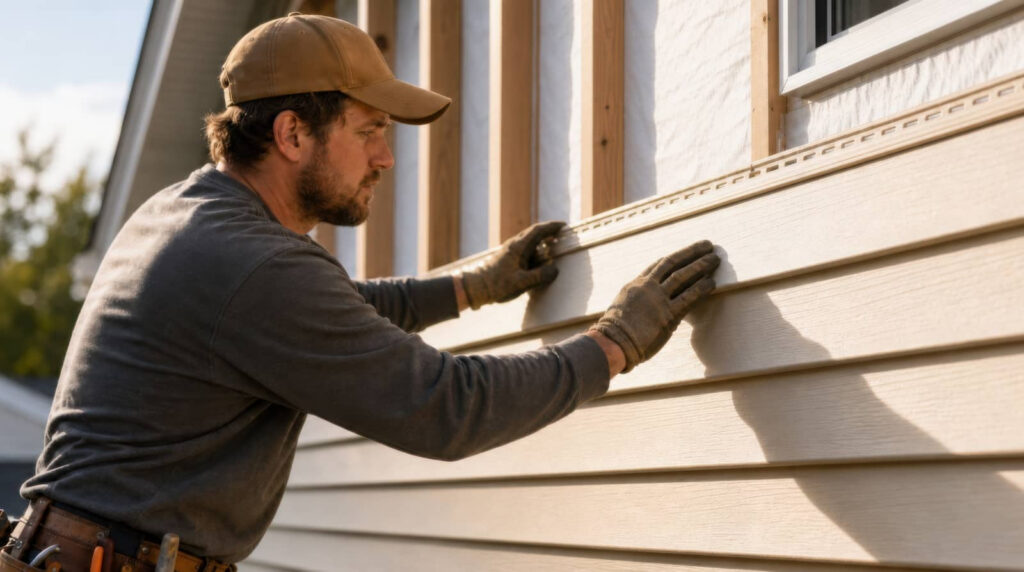
Siding replacement goes more smoothly when you prepare your home before the crew arrives. Start by clearing patio furniture, outdoor decor, and tools, then trim back shrubs and protect plants with breathable covers. Inside, close windows tightly and move fragile wall items to prevent damage from vibrations. Taking these simple steps ahead of time helps protect your belongings, keeps the work area accessible, and reduces avoidable delays.
Key Takeaways
- Clear the work area by moving patio furniture, grills, planters, toys, and other outdoor items away from the house.
- Trim shrubs and tree limbs, and protect landscaping with coverings or by relocating delicate plants and garden tools.
- Close and lock windows, remove wall hangings and fixtures, and note any damaged screens, trim, or siding for the contractor.
- Shift indoor furniture away from exterior walls and secure pets and children in a safe indoor or off-site space.
- Make utilities and access points easy to reach, then take photos and communicate concerns to the crew leader before installation.
How to Prepare Your Home for Siding Replacement
Before the crew arrives, you should clear the work area around your home so siding replacement can move forward without delays.
Walk the perimeter and remove items that could block access or get damaged by debris. Check for loose shutters, trim, or fixtures and note them for your contractor.
Close windows tightly and test exterior outlets if the team needs power nearby. Trim back shrubs and tree limbs so workers can reach every wall safely.
If you have pets or children, plan a safe indoor or off-site space during active installation. Let neighbors know about the project so everyone stays comfortable.
What to Move Before Siding Replacement?
Once you’ve cleared the perimeter and secured the work area, focus on moving anything that could get in the way or be damaged during siding replacement.
Bring patio furniture, grills, planters, toys, and storage bins into the garage or another dry space. Remove wall hangings, fragile decor, and anything attached to exterior walls, including house numbers and light covers.
Inside, shift furniture away from exterior walls so installers won’t shake or bump it. Clear access to outlets, vents, and utility areas your crew may need.
- Save your favorite pieces from accidental damage
- Keep your family’s routines calm and organized
- Give your crew room to work with confidence
When you prepare this way, you help the project feel smoother, safer, and more like a team effort.
Protect Landscaping and Outdoor Fixtures
Protecting your landscaping and outdoor fixtures helps prevent avoidable damage during siding replacement. You should trim back shrubs, tie up delicate plants, and move potted flowers, lawn décor, and garden tools to a safe spot.
Cover beds with breathable tarps or drop cloths so debris doesn’t bruise leaves or compact soil. If you have outdoor lighting, hoses, grills, or patio furniture near the work area, relocate them or group them away from the house.
Mark sprinklers, valves, and irrigation heads so crews can spot them quickly. You’ll make the job easier when you clear pathways and keep the crew’s access open.
These simple steps help your property stay neat, and they give your home project a more coordinated, neighborly start.
Get Walls, Windows, and Exterior Surfaces Ready
With the yard cleared, turn your attention to the house itself. Walk around the exterior and remove wall hangings, house numbers, light fixtures, and loose trim that could get in the way.
Close and lock windows, then note any damaged screens, cracked glass, or sticking frames so you can address them before work starts.
Wash off dirt, mildew, and peeling debris from siding, brick, or stucco, since a clean surface helps the crew work efficiently.
If you see gaps around windows or vents, seal what you can and leave repairs for your contractor to evaluate.
- You’ll feel calmer knowing small issues aren’t hiding.
- Your home starts to look cared for and ready.
- You help the crew focus on a smooth, professional result.
Clear Access for the Siding Crew
Clear a wide path from the driveway, sidewalk, and entry points so the siding crew can move ladders, tools, and materials without delay.
Move cars, bikes, trash bins, patio furniture, and planters out of the way, and keep gates accessible during work hours.
Trim back shrubs, tree limbs, and vines that crowd the house so workers can reach every wall safely.
If you have pets or small children, set up a separate space away from the work zone.
Keep hoses, extension cords, and decorations neatly stored to prevent trips and confusion.
You’ll make the job smoother when your crew can get in, set up, and stay organized.
A clear, open site helps everyone work efficiently and keeps your home feeling cared for throughout the project.
What to Expect During Siding Replacement
During siding replacement, you can expect some noise, dust, and activity around your home as the crew removes old materials, inspects the wall structure, and installs the new siding.
You’ll see workers moving in and out, tools in use, and sections of your exterior changing each day. Plan for temporary disruptions, but know the process follows a clear sequence that keeps your project moving. Staying flexible helps you feel more at ease.
- You may feel relieved when the old siding comes off and your home starts to transform.
- You might feel connected to the crew when they work respectfully around your space.
- You can feel proud knowing each step protects your home for the long term.
Keep windows closed and pets indoors when possible.
Do a Final Walkthrough Before Install Day
Before the crew arrives, walk around your home and do one last check so nothing gets missed. Confirm that outdoor furniture, grills, bikes, and planters are moved away from the work area.
Close windows, open gates, and clear access to outlets, spigots, and siding walls. Look for loose pets, fragile décor, or items hanging nearby that could get in the way.
If your contractor asked you to mark sprinkler heads, utility lines, or problem spots, verify those notes are visible. Take a few photos for your records, then touch base with the crew leader about any concerns.
This quick walkthrough helps you feel prepared, keeps the project on track, and makes your home feel ready for a smooth, well-coordinated installation day.
Conclusion
Before your siding replacement begins, you can make the job smoother by clearing clutter, protecting landscaping, and securing windows and interior items. Keep walkways open so the crew can work efficiently, and do a final walkthrough to catch anything you missed. A little preparation now helps the project run like clockwork, reduces damage risks, and keeps your home ready for a clean, successful installation. If you spot concerns, share them with the crew leader right away.