
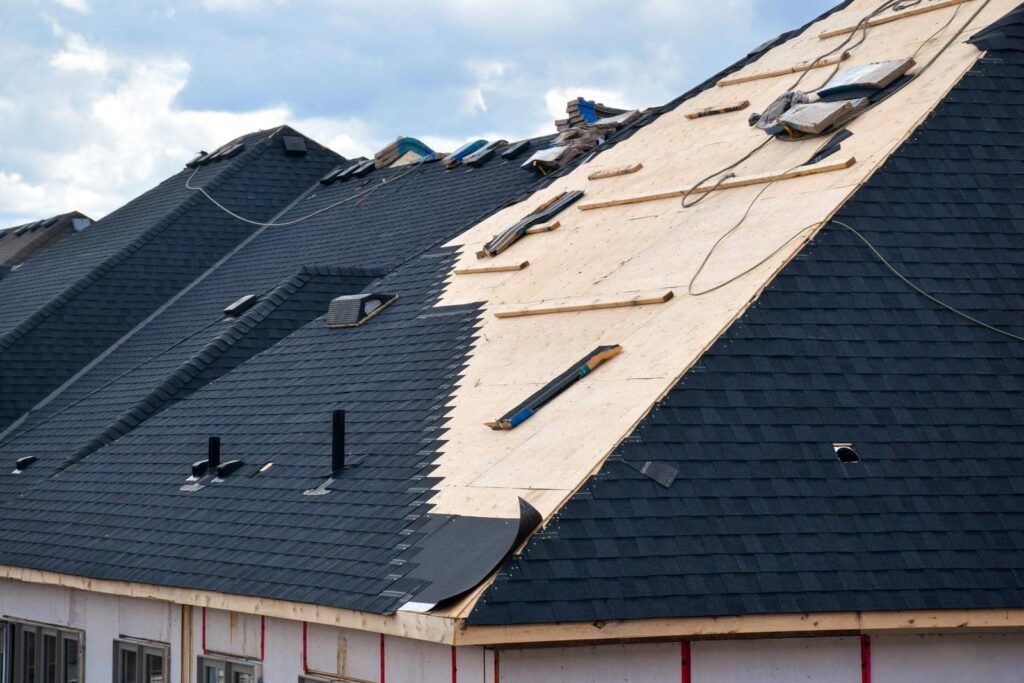
A roof is like the crown of your home, offering protection and style. However, mistakes during installation can tarnish that crown. From choosing the wrong contractor to overlooking local permits, each misstep can lead to costly consequences. As you set out on this vital project, understanding these pitfalls is essential. What common errors should you be aware of to ensure a successful roof installation?
Key Takeaways
- Failing to verify contractor licensing and insurance can lead to liability issues during installation.
- Not researching suitable roofing materials for your climate may result in decreased energy efficiency and durability.
- Ignoring local permitting requirements can lead to fines and project delays.
- Overlooking weather conditions can disrupt the installation process and compromise safety.
- Neglecting a maintenance schedule can shorten roof lifespan and lead to costly repairs later.
Researching and Selecting a Reliable Roofing Contractor
When you’re considering a roof installation, selecting a reliable roofing contractor is vital to the project’s success. Start by reading contractor reviews to gauge past performance and customer satisfaction. Positive feedback can indicate a trustworthy contractor, while consistent complaints might raise red flags.
Don’t skip the important step of licensing verification; confirm the contractor holds the appropriate licenses and insurance. This protects you from liability and ensures adherence to local building codes.
Additionally, ask for references and inspect previous work to assess quality. Engaging with potential contractors helps you feel confident in your choice, fostering a sense of belonging to a community that values quality craftsmanship.
Prioritize these steps, and you’ll set the stage for a successful roof installation.
Selecting the Best Roofing Material for Your Climate and Budget
Choosing the right roofing material is essential for both your climate and budget, as it directly impacts your home’s durability and energy efficiency. Different materials perform uniquely under varying weather conditions, so consider your local climate before making a decision.
| Material | Energy Efficiency |
|---|---|
| Asphalt Shingles | Moderate |
| Metal | High |
| Tile | High |
| Wood | Moderate |
Investing in durable materials can save you money on repairs and energy costs in the long run. Explore options that fit your budget while enhancing your home’s resilience against the elements. Ultimately, aligning your choice with your climate will ensure you create a comfortable and efficient living environment.
Understanding the Permitting Process for Roof Installation
Before diving into your roof installation project, it’s vital to understand the permitting process, as failing to secure the necessary permits can lead to costly delays and legal issues.
Start by familiarizing yourself with local regulations and permitting requirements specific to your area. The application process typically involves submitting documentation needed, such as architectural plans and proof of contractor licenses.
Be aware of zoning considerations that might affect your project. Permit fees can vary, so budget accordingly.
Additionally, understanding inspection timelines is important, as compliance checks will ensure your installation meets safety standards.
How Weather Conditions Affect Your Roof Installation?
While you might be enthusiastic to begin your roof installation, understanding how weather conditions can impact the process is essential.
Seasonal impacts can dictate the best time for installation, as summer heat may cause temperature fluctuations that affect materials. Be wary of precipitation concerns; rain or snow can delay progress and damage exposed areas.
Wind effects can pose safety risks and complicate the installation of materials, while high humidity levels can impact drying times for adhesives and sealants.
Always prioritize storm preparedness by monitoring forecasts and having contingencies in place.
Why Roof Ventilation Is Key to Longevity
Proper roof ventilation is essential for maintaining ideal airflow management, which directly impacts your roof’s lifespan.
Without adequate ventilation, moisture can accumulate, leading to structural damage and mold growth.
Proper Airflow Management
Effective roof ventilation is vital for maintaining the longevity of your roofing system. Proper airflow management ensures that heat and moisture are effectively dissipated, protecting your shingles and underlying structures.
When considering your airflow design, it’s important to incorporate well-planned ventilation systems that facilitate this process. Ridge vents, soffit vents, and gable vents work in tandem to create a balanced airflow, reducing heat buildup and prolonging your roof’s lifespan.
If you neglect these elements, you risk accelerated wear and potential damage. By prioritizing effective ventilation, you enhance your roof’s durability, fostering a comfortable living environment for you and your family.
Invest in proper airflow management today.
Preventing Moisture Buildup
Moisture buildup can wreak havoc on your roof’s integrity if left unchecked, making effective ventilation vital. To ensure longevity, focus on integrating moisture barriers and proper drainage systems.
These elements work together to prevent water from accumulating, which can lead to mold and rot. Implementing advanced insulation techniques will also help regulate temperature, reducing the risk of condensation.
Don’t overlook vapor control; it’s essential in managing moisture levels within your roof space. By prioritizing these factors, you create a robust environment that fosters a healthy roof.
The Importance of Inspecting Your Roof Decking
Before installing a new roof, you must assess the structural integrity of your decking.
Look for any signs of water damage, as this can compromise your new roof’s performance.
Addressing these issues upfront prevents costly repairs down the line and ensures a solid foundation for your roofing system.
Assess Structural Integrity First
While you might be enthusiastic to begin your roof installation, evaluating the structural integrity of your roof decking is important.
Start with thorough structural assessments to determine the load-bearing capacity of your current decking. This ensures it can withstand the weight of new materials and weather conditions.
Look for any signs of wear, such as cracks or sagging, which can compromise stability. If your decking fails to meet necessary standards, it’s imperative to make repairs before proceeding.
Addressing these issues upfront safeguards your investment and provides peace of mind for you and your family.
Check for Water Damage
Inspecting your roof decking for water damage is vital, as some roofing failures can be traced back to moisture issues.
Look for water stains, which often indicate past leaks or ongoing problems. These stains can reveal hidden leak sources that, if ignored, could compromise your entire roofing system.
Make sure you thoroughly check under shingles and around flashing, as these areas are prone to moisture accumulation. If you find any damaged or rotting wood, it’s important to address it before proceeding with the installation.
Don’t Forget About Long-Term Roof Maintenance
Although many homeowners focus on the immediate aspects of roof installation, neglecting long-term maintenance can lead to costly issues down the line. Implementing a thorough maintenance schedule is essential for ensuring your roof’s longevity. Regular preventative maintenance, including seasonal inspections and routine cleaning, can help you identify potential problems before they escalate.
| Maintenance Task | Frequency | Purpose |
|---|---|---|
| Seasonal Inspections | Bi-Annually | Damage assessment |
| Routine Cleaning | Annually | Prevent debris buildup |
| Performance Monitoring | Quarterly | Assess roof functionality |
Budgeting and Timeline Mistakes to Avoid
Long-term roof maintenance isn’t the only aspect to contemplate when planning your roof installation; budgeting and timeline errors can also lead to significant setbacks.
Ensuring proper budget allocation and timeline flexibility is essential. Here are some common mistakes to avoid:
- Underestimating material costs, which can strain your finances.
- Rushing the timeline, leading to poor workmanship or incomplete projects.
- Failing to account for unexpected delays, causing further budget overruns.
Making Informed Decisions Without Rushing
When planning your roof installation, taking the time to make informed decisions is essential to avoid costly mistakes down the line. Rushing through your choices can lead to selecting the wrong materials or contractors, impacting both durability and aesthetics.
Prioritize research on roofing options and their suitability for your climate. Consult with professionals to ensure you’re making informed choices that align with your budget and long-term goals.
Additionally, consider project timing; scheduling during favorable weather can enhance efficiency and minimize disruptions.
Frequently Asked Questions
How Can I Identify a Quality Roofing Contractor?
To identify a quality roofing contractor, check their credentials, including licenses and insurance. Discuss project timelines to ensure they meet your expectations. Reading reviews and asking for references can further confirm their reliability and expertise.
What Are Common Signs of Roof Damage Before Installation?
Before installation, keep an eye out for red flags like shingle wear and signs of leaks. Regular leak detection helps spot issues early, ensuring your roof’s in top shape before the work begins.
How Do I Prepare My Home for Roof Installation?
To prepare your home for roof installation, clear the area of debris, secure outdoor furniture, and ensure easy access for workers. Discuss roofing materials and the installation timeline with your contractor for a smooth process.
What Should I Do if My Roof Installation Is Delayed?
If your roof installation’s delayed, stay calm. Assess weather considerations and adjust your budget accordingly. Communicate with your contractor to understand timelines and ensure you’re prepared for any unexpected expenses or changes in plans.
Are There Warranties Available for New Roofing?
Yes, many roofing companies offer roof warranties and installation ensures. These warranties typically cover defects in materials or workmanship, ensuring you’re protected and providing peace of mind about your investment in a new roof.
Recap
In the world of roof installation, cutting corners can lead to a leaky situation down the road. By carefully selecting your contractor, understanding materials, and managing permits, you can avoid common pitfalls. Remember, a well-planned project ensures your home’s protection and saves you from future headaches. Take your time to make informed decisions; after all, haste makes waste. Prioritize quality and maintenance to ensure your roof stands strong for years to come.