
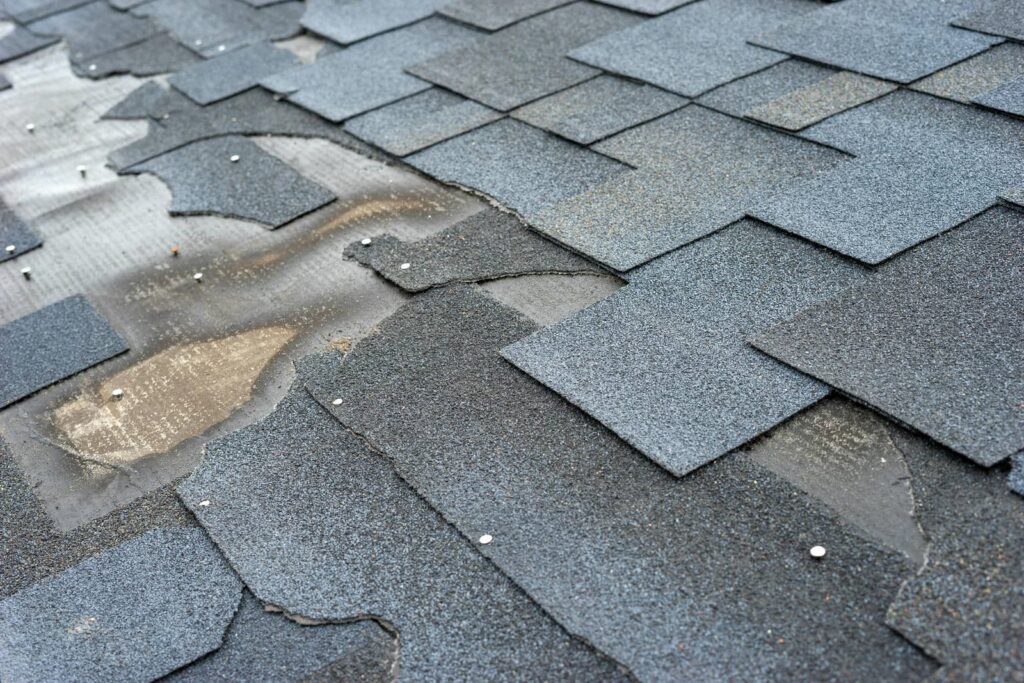
Roof repair costs can climb faster than you expect because the visible damage is often only part of the job. You may be paying for hidden decking rot, steep roof access, special materials, permit fees, or emergency labor before the repair even starts. In many cases, the real price gap shows up only after an inspection, and that’s where the numbers can change in a hurry.
Key Takeaways
- Roof damage scope, pitch, and accessibility can raise labor time and safety costs more than basic material prices.
- Hidden issues like rotted decking, weakened rafters, or interior water damage often increase repair bills unexpectedly.
- Roofing material matters, since asphalt shingles are cheaper to fix than metal, tile, or slate.
- Local permits, inspection rules, disposal fees, and emergency service charges can add significant extra costs.
- Early inspection and targeted repairs help prevent widespread damage and keep roof repair costs lower.
What Affects Roof Repair Costs?
Roof repair costs vary based on the damage scope, roof material, pitch, accessibility, and labor rates in your area.
You’ll usually see roof repair cost factors grouped into materials, labor, and site conditions. Asphalt shingles often cost less to patch than metal, tile, or slate because crews can source and install them faster.
Steeper roofs raise labor time and safety demands, so expect higher pricing. Limited access, multiple stories, and tight driveways can also add setup time.
Local permit rules and disposal fees may shift the total too. If you belong to a neighborhood with older homes, matching existing materials can increase costs.
Ask for a detailed estimate so you can compare each line item and plan repairs with confidence.
Roof Damage That Increases Repair Costs
When you have hidden structural damage, repairs often cost more because crews must remove roofing materials and fix weakened decking, framing, or fasteners.
If a leak has spread across multiple areas, you’ll usually face broader material replacement, added labor, and more underlayment work.
These conditions also raise the risk of interior damage, which can push your total repair cost higher.
Hidden Structural Damage
Hidden structural damage can quickly push roof repair costs higher because the visible problem is often only part of the issue.
When you inspect a roof, you may find cracked shingles, but the real expense can come from rotted decking, weakened rafters, or compromised trusses underneath. These issues usually require more labor, materials, and careful replacement work.
If you leave them untreated, your roof won’t hold repairs well, and the damage can spread. A trusted roofer will check for sagging, soft spots, and fastener failure before giving you a final estimate.
That extra inspection helps you and your neighbors make smarter repair decisions, avoid surprises, and protect the home’s structure.
Extensive Leak Spread
Once water gets past the outer layers, a small leak can spread far beyond the visible stain and raise repair costs fast.
You may need to open roofing, insulation, and ceiling materials to find the full path. That adds labor, disposal, and matching costs. When you act early, you protect your home and your budget.
- Wet decking can rot and weaken fast.
- Insulation loses R-value when it stays damp.
- Mold cleanup can require extra containment.
- Stained drywall often needs replacement, not patching.
- Hidden leaks can damage wiring and fixtures.
If you’ve spotted sagging, musty odors, or repeated drips, call a roofer now.
You’re not overreacting; you’re preventing a bigger bill and keeping your home safe.
How Roof Material Changes Repair Price
Your roof material can change repair price because different types, like asphalt, metal, tile, or slate, need different parts and methods.
You’ll usually pay more when the material is harder to cut, match, or seal, since labor complexity goes up.
Repair costs can also rise if replacement parts are scarce or must be ordered from a specialty supplier.
Material Type Differences
Roof material sets the baseline for repair pricing because each system needs different labor, tools, and replacement parts.
You’ll usually pay more for materials that are specialty-made, brittle, or hard to source. Standard asphalt often stays economical, while tile, metal, slate, and wood usually cost more to patch or replace.
That’s because each material has its own matching components and repair standards. When you know your roof type, you can budget with confidence and avoid surprise quotes.
- Asphalt shingles: lowest material cost
- Metal panels: higher part prices
- Clay or concrete tile: matched replacements
- Slate: premium, limited supply
- Wood shakes: treated, specific pieces
If you’re comparing estimates, ask whether the quote includes exact-match materials and waste allowance.
Labor Complexity Levels
Labor complexity often drives repair price just as much as the parts themselves, because some roof systems take longer to access, cut, fit, and seal correctly.
When you have steep slopes, tight valleys, multiple layers, or fragile surfaces, your crew spends more time staging safely and working in smaller sections. That extra time raises labor charges even if the damaged area looks minor.
You’ll also see higher costs when the repair demands careful alignment, special fastening patterns, or heat welding instead of simple nailing. In these cases, skill matters as much as speed.
A seasoned team helps you avoid leaks, waste, and repeat visits. So when you compare estimates, look beyond square footage and ask how the material changes the work involved for your roof.
Replacement Part Availability
Replacement part availability can swing repair costs fast, because common asphalt shingles are easy to source while discontinued tiles, specialty metal panels, or custom membranes may require extra search time, shipping, or fabrication.
You’ll usually pay less when your roof uses standard profiles and colors. If you need an exact match, suppliers may chase old stock or special-order components, and that delay can raise both material and labor charges.
- Standard shingles: low cost, quick delivery
- Matching tiles: higher cost, limited stock
- Metal panels: may need custom forming
- Flat-roof membranes: often brand-specific
- Fast sourcing: reduces downtime and surprises
When you know your roof system, you can plan repairs with the crew, protect your budget, and stay confident in the process.
Why Roof Pitch, Height, and Access Matter
Even when two roofs need the same repair, pitch, height, and access can push the price in very different directions.
A steep pitch slows your crew because every step demands more balance, tie-offs, and control. That extra caution reduces speed and limits how many shingles, tiles, or panels they can handle at once.
Higher roofs add setup time for ladders, staging, and material lifts, so your job takes more effort from the first minute.
Tight access matters too. If trucks can’t park close, or if fences, landscaping, or narrow alleys block a clean path, your team spends more time moving tools by hand.
You’ll usually pay less when the roof is low, simple to reach, and easy to work on.
How Labor, Permits, and Emergency Fees Add Up
Labor often makes up the biggest share of a roof repair bill, and rates climb when the job requires more time, more workers, or specialized skills.
You’ll also pay for permits when your city or county requires inspection and code compliance. Those fees may seem small, but they can stack with admin charges and delay-related labor.
Emergency calls cost more because crews drop scheduled work, respond after hours, and mobilize faster.
To keep your estimate realistic, ask for a line-item quote that shows:
- labor hours
- crew size
- permit costs
- emergency surcharge
- inspection fees
You’re in a better spot when you compare these items across contractors. Clear pricing helps your crew stay aligned and avoids surprise add-ons when the repair starts.
When Roof Repair Is Cheaper Than Replacement
A roof repair is usually cheaper than replacement when the damage is limited to a small area, the roof deck is still sound, and the shingles, flashing, or sealants can be matched without major tear-off work.
You’ll usually save more when leaks come from isolated storm impact, a failed vent boot, or a few missing shingles.
If your roof is near midlife but hasn’t developed widespread curling, sagging, or rot, repair often gives you the best value.
A good contractor will inspect underlayment, attic moisture, and surrounding materials before recommending work.
You belong in the repair camp when the fix restores watertight performance, extends service life, and avoids full labor, disposal, and material costs.
Frequently Asked Questions
How Can Hidden Leaks Affect Roof Repair Pricing?
Hidden leaks can raise your repair bill fast because you’ll need extra diagnostics, tear-out, and material replacement. They often damage insulation, decking, and framing, so you’re paying for access, drying, and deeper structural fixes too.
Do Seasonal Weather Conditions Change Repair Estimates?
Yes—winter freezes, spring rains, and summer heat can raise your estimate. You’ll need safer access, faster drying, and weatherproof materials, which means more labor and sometimes temporary fixes to protect your roof and home.
Can Insurance Coverage Lower My Roof Repair Costs?
Yes, your insurance can lower costs if your policy covers the damage and you meet deductibles. You’ll need documentation, prompt claims, and contractor estimates, so you feel supported while reducing out-of-pocket repair expenses.
How Do Contractor Warranties Affect Repair Quotes?
You’ll often pay more for a longer warranty, but you’re buying peace of mind, not just repairs. Contractors may quote premium materials, stricter workmanship terms, and follow-up service, helping you feel covered and included.
What Inspection Issues Often Raise Final Repair Bills?
You’ll see final bills rise when inspections reveal hidden decking rot, saturated insulation, flashing failures, mold, structural sagging, or code violations. You often need more labor, materials, and permits than the original estimate covered.
Final Thoughts
You can see roof repair costs jump fast when hidden damage, steep pitch, and specialty materials collide. In fact, a simple leak can expose rotted decking, turning a small fix into a larger structural repair. Because labor, permits, and emergency fees stack quickly, you should compare repair quotes carefully. In many cases, repairing just part of a roof is far cheaper than replacing the whole system, especially when the damage stays localized.