
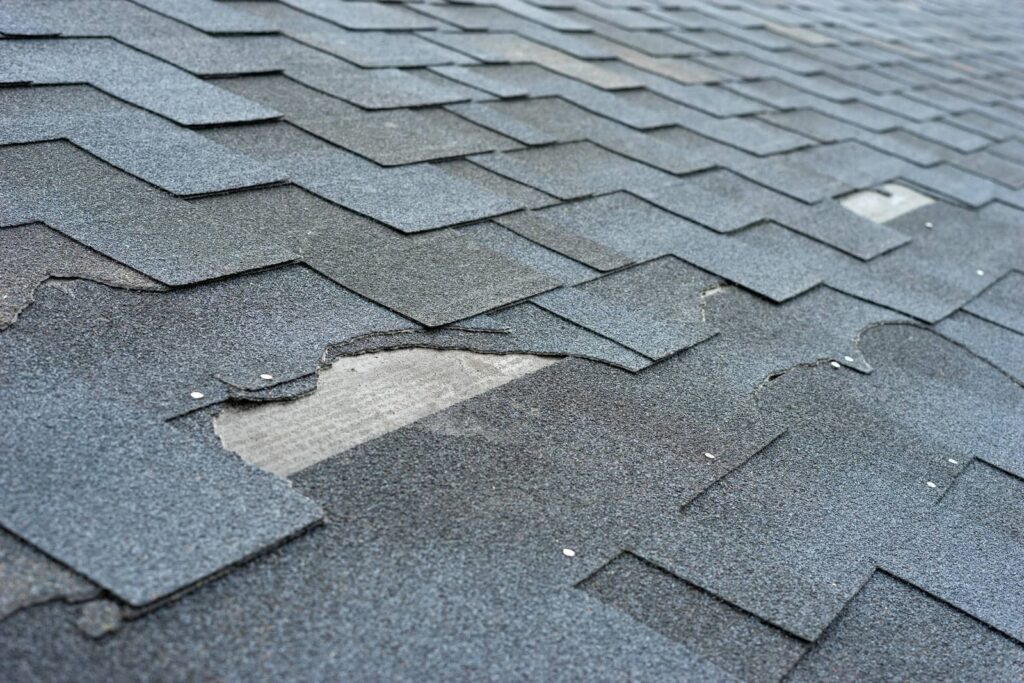
When you’re faced with a roof leak, the right repair depends on how much damage you’re dealing with and how fast you need protection. A temporary fix can stop water intrusion quickly, but it won’t solve underlying failure or satisfy long-term durability needs. A permanent repair costs more upfront, yet it can restore performance and extend roof life. The real question is which option fits your roof’s condition and timeline.
Key Takeaways
- Temporary roof repairs quickly stop active leaks using tarps, tape, or roofing cement until permanent work is possible.
- Permanent roof repairs fix underlying damage like missing shingles, failed flashing, or rotted decking for lasting protection.
- Choose temporary fixes after storms or sudden leaks when immediate water control is the priority.
- Choose permanent repairs when damage is stable, accessible, and recurring leaks indicate a deeper roof problem.
- Inspect and document all roof damage carefully to match the repair type to the roof’s condition, budget, and lifespan.
What Is Temporary Roof Repair
Temporary roof repair is a short-term fix that helps stop leaks or limit damage until a permanent repair can be made. You use it when weather, safety, or scheduling keeps you from completing a full fix right away.
Common methods include tarps, roofing cement, sealant, patches, and taped flashing. These measures help you protect decking, insulation, and interior finishes while you plan next steps.
In temporary vs permanent roof repair, the temporary option buys time, not a lasting solution. You should inspect the area often, especially after rain or wind.
If you belong to a team of homeowners handling the issue, keep clear notes on the leak location, materials used, and date installed so you can act quickly later.
What Is Permanent Roof Repair
Permanent roof repair is the lasting fix that restores the roof’s function by correcting the underlying damage instead of covering it up. You address the failed component, match materials, and rebuild the affected area so the roof can shed water and handle load as designed.
That may mean replacing damaged shingles, resealing flashings, repairing decking, or resetting penetrations with proper fasteners and sealants. You get a repair that integrates with the roof system, not just its surface.
This approach improves durability, supports warranty compliance, and reduces repeat service calls. It also helps you stay aligned with your crew, your budget, and your long-term maintenance plan.
When done correctly, permanent repair gives you a clean, reliable result you can trust.
When to Use Temporary Roof Repair
Use a temporary roof repair when you need to stop active water intrusion fast and a permanent fix can’t happen right away. You can use it after storm damage, a fallen branch, or a sudden leak that starts inside your home.
Prioritize tarps, roof cement, flashing tape, or sealant to reduce runoff into the deck, insulation, and ceilings. You’ll want this approach when weather, access, or materials delay full work.
Act quickly, document the damage, and keep the area safe until your roofing team can return. Temporary repair buys time, protects your space, and helps your household stay stable while you plan the next step with confidence.
When Permanent Roof Repair Is Necessary
When a roof problem goes beyond a quick patch, you need a permanent repair to restore weather protection and prevent the damage from spreading.
You should choose this fix when leaks keep returning, flashing has failed, shingles are missing in one area, or decking shows rot. If you see structural sagging, active mold, or water stains that grow after storms, act fast.
A permanent repair addresses the root cause, not just the symptom, so you protect your home’s envelope and avoid repeated service calls.
Work with a qualified roofer to inspect the system, identify hidden damage, and match the repair to your roof type. That way, you stay ahead of costly failures and keep your home solid, dry, and part of a well-cared-for neighborhood.
Temporary Roof Repair Methods That Work
Even a damaged roof can be stabilized quickly with the right temporary repair. You can stop active leaks by placing a tarp over the affected area and fastening it with wood strips, not loose nails.
For smaller openings, apply roofing tape or a compatible sealant to clean, dry surfaces. If shingles are lifted but intact, you can resecure them with roofing cement to limit wind damage.
Inside, you should move buckets under drips and protect insulation with plastic sheeting. Clear debris from gutters and valleys so water flows off the roof instead of pooling.
These fixes won’t replace a full repair, but they buy you time and keep your home safer while you plan the next step with your crew.
Permanent Repair Options by Damage Type
When damage is limited to missing or cracked shingles, you can replace the affected shingles to restore the roof’s weather barrier.
If leaks start at joints, you’ll need flashing repairs around chimneys, vents, valleys, and walls to stop water intrusion.
When framing or decking shows sagging or rot, you should add structural reinforcement to recover load capacity and prevent further failure.
Shingle Replacement
Shingle replacement restores a roof when damage is isolated to a few shingles rather than a larger section. You remove the damaged units, inspect the underlayment, and install matching shingles with proper fasteners and sealant.
This permanent fix works best when granule loss, cracking, or wind lift affects only a small area. You keep your roof’s weather barrier intact and avoid patching over hidden failure points. If you act quickly, you limit water intrusion and protect nearby shingles from added stress.
Good workmanship matters: align courses, maintain nailing patterns, and blend new pieces so the repair stays durable and looks consistent. When you choose this fix, you’re protecting your home with the same standard skilled crews use.
Flashing Repairs
Flashing repairs address leaks at roof joints, penetrations, and changes where water usually finds the weakest point. You should target valleys, chimneys, skylights, vents, and wall intersections, because failed metal or membrane flashing often causes recurring seepage.
A permanent fix means you remove damaged sections, clean the substrate, and install new flashing with correct overlap, sealant, and fastening. You’ll want to match the material to your roof system so the repair bonds well and lasts.
If corrosion, cracks, or loose joints show up, patching alone won’t hold. By repairing flashing correctly, you keep water out and protect nearby shingles, decking, and insulation. That gives your roof a tighter, more reliable seal and helps you stay part of a home that feels secure.
Structural Reinforcement
If your roof has sagging sections, split rafters, damaged trusses, or soft decking, structural reinforcement is the permanent repair that restores load-bearing capacity instead of just masking the problem.
You’ll need to inspect framing members, confirm the cause of deflection, and replace compromised wood or steel with code-compliant materials. Contractors may sister rafters, add truss plates, install new purlins, or reinforce load paths with collars, braces, and additional fasteners.
If rot or moisture caused the damage, you should also correct ventilation and leaks first, or the problem’ll return.
Reinforcement works best when you want a lasting fix that keeps your home safe, stable, and ready for the long term. Choose it when temporary patches won’t protect your crew, family, or investment.
How Long Temporary Roof Repairs Last
Temporary roof repairs usually last anywhere from a few days to several months, depending on the damage, weather exposure, and the quality of the temporary fix.
You’ll see the best results when you check the area often and keep moisture out. Wind, UV, and standing water wear materials down fast, so don’t assume the patch will hold through every storm.
In your crew, treat the repair as a short-term shield, not a final solution.
- Tarp seams can loosen
- Sealant can crack
- Flashing can shift
- Plywood can warp
When you monitor these signs, you stay ahead of leaks and protect the space beneath.
If the roof keeps moving or opening, the temporary repair’s lifespan drops quickly.
Temporary Repair Costs vs Permanent Repair Costs
Repair costs often track the repair’s lifespan, so the cheaper fix isn’t always the lower-cost choice over time. You might spend less today on tarps, sealants, or patching, but you’ll usually pay again for repeat labor, extra materials, and added roof risk.
A permanent repair costs more upfront because it uses more durable components and more skilled installation. That higher ticket can reduce call-backs and help you stay aligned with your home’s long-term maintenance plan.
If you’re budgeting, compare total cost over one to five years, not just the invoice in front of you. In your roofing crew, the right fix is the one that fits your timeline, cash flow, and performance goals without creating avoidable rework later.
Signs You Need a Permanent Roof Repair
When damage keeps coming back after patching, you’re likely dealing with a problem that needs a permanent roof repair, not another short-term fix.
You’ll usually see clear indicators that the roof system’s components can’t hold a seal anymore. Watch for:
- recurring leaks in the same area
- cracked or missing shingles across a section
- soft decking or sagging lines
- flashing that’s rusted, loose, or split
These signs point to deeper failure in the roof assembly, not surface wear.
If you notice interior stains, moldy odors, or daylight at seams, the structure may need a lasting repair solution.
You deserve a roof that protects your home and fits your crew’s standards for reliability.
Call a roofing professional when the damage keeps spreading.
How to Decide Between Temporary and Permanent Repair
Start by evaluating the roof damage, including the leak source, affected materials, and any structural impact.
Then match the repair to the problem’s expected lifespan: use a temporary fix when you need immediate protection, and choose a permanent repair when the damage is stable and fully accessible.
You’ll avoid wasted labor and repeat failures by aligning the repair method with how long it needs to last.
Assess Roof Damage
A careful roof assessment tells you whether a temporary patch will buy you time or whether you need a permanent fix right away.
You should inspect the leak point, the surrounding shingles, flashing, and decking with a flashlight and safe footing. Look for:
- Active drips or spreading stains
- Missing, cracked, or curled materials
- Soft decking or sagging areas
- Damaged vents, seams, or fasteners
If water is entering through one small opening and the structure stays sound, you can often stabilize it quickly.
If damage repeats in multiple spots, you’re dealing with a larger failure that needs immediate attention.
Document what you see with photos, then call a trusted roofer so you and your crew can choose the safest next step together.
Match Fix To Lifespan
Match the repair to how long you need the roof to perform, because a temporary fix buys time while a permanent repair restores long-term protection.
If you need to bridge a wet season, seal a leak fast with tarp, roof cement, or flashing tape. Use it when the structure is stable and you’ve scheduled a full repair soon.
Choose a permanent fix when damage is localized but the deck, underlayment, and shingles can be rebuilt correctly. You should weigh leak frequency, material age, weather exposure, and budget.
A patch that keeps failing costs more and leaves your home exposed. When you pick the right duration, you protect your space and stay aligned with the crew that’ll finish the job.
Frequently Asked Questions
Can Temporary Roof Repairs Qualify for Homeowners Insurance Coverage?
Yes, temporary roof repairs can qualify for homeowners insurance if you act quickly after covered damage, document everything, and keep receipts. You’ll usually need to prove the fix prevented further loss and followed policy rules.
Are There Safety Risks With Applying Temporary Roof Tarps Yourself?
Yes, you do face safety risks. A tarp can slip, tear, or hide weak decking. An ounce of prevention’s worth a pound of cure: use fall protection, avoid storms, and call trusted pros if unsure.
Do Weather Conditions Affect Which Repair Option Is Best?
Yes, weather conditions affect your choice: you’ll want temporary fixes during rain, wind, or freezing conditions, because permanent repairs need dry, stable weather to bond properly and last, keeping your home protected.
Can a Temporary Repair Damage the Roof Further Over Time?
Yes—if you leave it too long, it can. Roof leaks can worsen after delays, and you’ll trap moisture, rot decking, and invite mold, so you should inspect, seal, and schedule permanent repair fast.
Should I Inspect Gutters Before Choosing a Roof Repair Type?
Yes, you should inspect gutters first because clogs, leaks, and sagging can mimic roof damage and affect repair choice. You’ll make a smarter fix, avoid repeat problems, and protect your home’s roof system.
Recap
When you choose between temporary and permanent roof repair, match the fix to the damage and how long you need protection. If water is entering now, a tarp or sealant can buy time. If shingles, flashing, or decking are failing, you need a lasting repair. Don’t ignore small leaks; they grow fast. As the adage goes, “A stitch in time saves nine.” Act early, and you’ll protect your roof, your home, and your budget.