
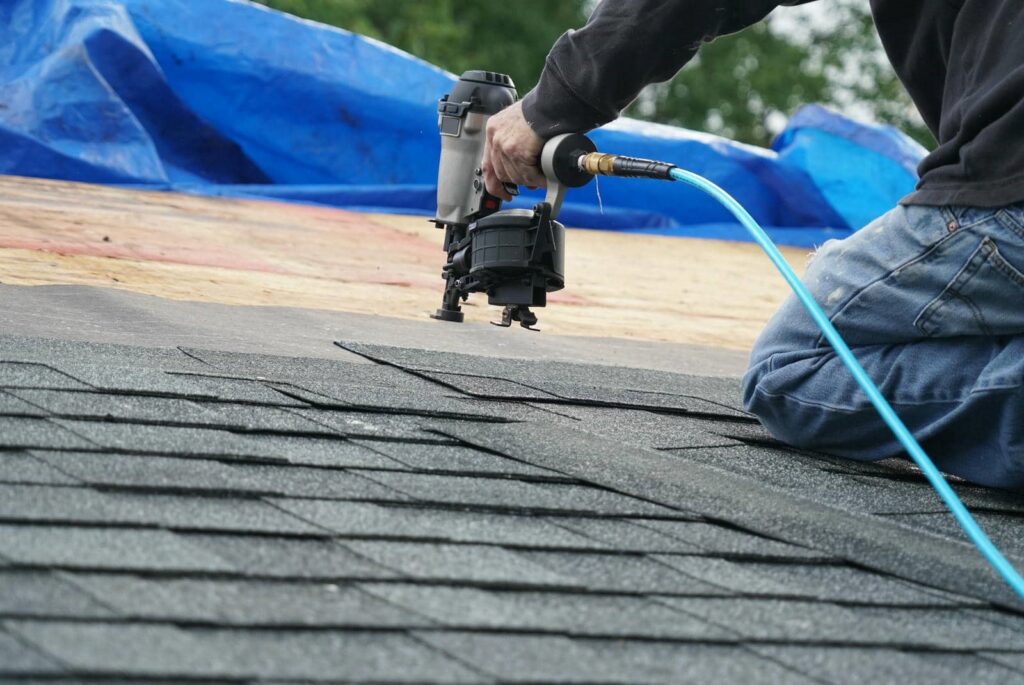
When roof damage appears, you should act within 24 to 48 hours if possible, because even a small opening can let in moisture and start hidden deterioration. You can’t always wait for a convenient time, since weather, leak location, and shingle loss all affect urgency. The key is knowing which signs demand same-day action and which ones can hold briefly, because the wrong delay can turn a repair into a replacement.
Key Takeaways
- Roof repair should begin within 24 to 48 hours after damage appears to limit water intrusion and structural deterioration.
- Urgent signs include active leaks, missing shingles, lifted flashing, sagging decking, and daylight visible in the attic.
- Delaying repairs can spread hidden moisture, cause rot, and increase the size and cost of the needed work.
- Document damage, protect belongings, and use buckets for leaks while arranging a prompt professional inspection.
- Schedule repairs before the next storm, and consider full replacement if inspections show widespread or recurring problems.
How Fast Roof Repair Should Start
Roof repair should start as soon as you notice damage, ideally the same day or within 24 to 48 hours, because delays let moisture enter the roof system and increase the risk of structural deterioration.
You should treat how fast roof repair should be done as a priority, not a convenience, so your home stays protected and your household stays on track. Fast action limits underlayment saturation, decking decay, and insulation loss.
If weather or access slows work, you still need a prompt inspection and a clear repair plan. You’re part of a smart homeowner group when you act early, document the issue, and schedule materials right away.
That approach keeps repairs smaller, costs lower, and performance more reliable over time.
Signs You Need Immediate Roof Repair
Once you’ve moved quickly on scheduling, the next step is spotting warning signs that mean repair can’t wait. If you see active dripping, ceiling stains spreading, or damp insulation, you’ve got an urgent leak path.
Curled shingles, missing shingles, lifted flashing, and exposed nail heads let water enter fast. Sagging decking signals moisture has already weakened the roof system, and you need service now.
Check for granules piling in gutters, split seams around vents, and daylight showing through attic boards. After storms, inspect for punctures, branch impact, or torn membrane areas.
If moldy odors, bubbling paint, or soft drywall appear, moisture is moving indoors. When you notice these issues, call a trusted roof pro right away so your home stays protected and your crew can act before damage spreads.
When Roof Repair Can Wait
If the damage is minor and stable, a short delay may be acceptable while you line up a repair. You can usually wait when shingles are cracked but still seated, sealant has split at a flashing joint, or a small area of granule loss hasn’t spread.
If the roof is dry, the decking feels solid, and no active leak shows inside, you likely have time to schedule service. Still, you should document the damage, check after wind or rain, and keep traffic off the area.
Use a tarp only if conditions change. A trusted crew can inspect the section, confirm whether the issue is cosmetic or structural, and help you choose the right pace.
You’re not overreacting by watching closely; you’re protecting your home and your people.
Why Delays Lead to Water Damage
Even a small roof defect can let rainwater and humidity work into the roof system quickly, and that moisture doesn’t stay harmless for long.
You may see a stain first, but water often travels past the visible spot into underlayment, decking, insulation, and framing. As it stays trapped, it lowers material strength, invites mold growth, and can loosen fasteners and seams.
You also risk hidden rot that spreads before you notice sagging or soft spots. When you wait, you give leaks time to widen and create more repair points, which raises labor and material costs.
Acting fast helps you protect your home, stay ahead of damage, and keep your roof system working with your household instead of against it.
How Weather Affects Roof Repair
Weather can speed up or slow down roof repair, and it often determines when work can safely begin. You need dry, mild conditions so crews can remove damaged materials, inspect the deck, and seal new components properly.
Rain can hide leaks, soften underlayment, and trap moisture where it shouldn’t stay. High winds make ladders unstable and can lift shingles before they’re secured. Extreme heat can speed adhesive curing, but it can also make materials brittle and harder to handle.
Cold weather slows sealant bonding and may require special products. You’ll get better results when you plan repairs around the forecast, protect exposed areas with temporary coverings, and work with a team that knows how to adapt. That helps keep your roof solid and your home protected.
When Same-Day Roof Repair Makes Sense
Same-day roof repair makes sense when a leak is active, storm damage has exposed the deck, or loose material could worsen before crews return. You’re dealing with a time-sensitive breach, and quick action can limit water entry, insulation saturation, and interior staining.
It also helps when shingles, flashing, or vents have detached enough to let wind lift adjacent sections. If the damage is small but unstable, waiting can turn a manageable fix into a larger repair.
Fast service also fits properties with vulnerable interiors, like finished ceilings or occupied spaces, where moisture spreads quickly. You’re not overreacting by calling for urgent help; you’re protecting the structure and keeping your repair team focused on the right priorities.
What to Do Before the Roofer Arrives
Before the roofer arrives, you should document all visible damage with clear photos and brief notes.
This record helps confirm the repair scope and supports any insurance claim.
You should also protect interior spaces by moving valuables and placing tarps or buckets under active leaks.
Document Visible Damage
Capture the damage right away so you have a clear record for the roofer and your insurer. Use your phone to take wide shots of the roof, then zoom in on missing shingles, lifted flashing, punctures, and impact marks. Photograph each problem from several angles and include nearby landmarks so the location’s obvious.
If you can do it safely, note the date, time, storm conditions, and any leak paths you see indoors. Keep your files organized in one folder and back them up. Avoid editing the images; raw photos carry more credibility.
Add brief notes that explain what changed and where. This record helps your crew assess the scope fast, supports your claim, and keeps your repair team aligned from the start.
Protect Interior Spaces
Even a small roof leak can spread fast, so you should protect interior spaces as soon as you notice damage. Move furniture, electronics, rugs, and stored items away from the wet area.
If you can’t move them, cover them with plastic sheeting and seal the edges with tape. Place buckets or pans under active drips, then line them with towels to reduce splash.
Cut power to any circuit exposed to water, and don’t touch damp fixtures. Open windows only if weather allows, because airflow can limit humidity buildup.
Remove wall art and loose items near the stain. Check ceilings for sagging; if they bow, keep clear and call for urgent help.
These steps help your home stay safer while your roofer gets there.
When Roof Repair Becomes Roof Replacement
You need to weigh repair versus replacement based on the extent of damage, leak spread, and roof age.
If you see widespread shingle failure, repeated leaks, sagging decking, or damaged underlayment, repair may no longer be enough.
At that point, you should treat the issue as a full replacement to prevent ongoing moisture intrusion and structural damage.
Repair Versus Replace
When roof damage is limited to a small area, a repair can often stop leaks quickly and protect the structure from moisture intrusion. You should choose repair when the damage stays localized, the decking is sound, and the surrounding materials still seal well.
A licensed roofer can patch shingles, reset flashing, or reseal penetrations without disturbing the whole system.
Replace the roof when repeated repairs keep failing or when damage spreads across multiple sections. That choice protects your home, lowers ongoing risk, and helps you stay confident in your roof’s performance.
You belong in a home that stays dry, efficient, and secure, and timely action helps you get there. Schedule service fast so a small problem doesn’t grow into a larger, costlier one.
Signs Of Full Replacement
A roof that keeps failing is a warning sign, not just a maintenance issue. If you’re patching the same areas after every storm, you may need full replacement.
Look for these signs:
- Shingles curling like dry leaves
- Granules piling in gutters
- Soft decking underfoot
- Daylight visible in the attic
- Multiple leaks across different rooms
When damage spreads across large sections, repairs won’t restore a tight, durable system. You’re then dealing with aging materials, failed underlayment, and hidden moisture.
A replacement gives you a clean, unified roof and helps protect everyone inside. If you’re seeing several of these symptoms, act fast and get a full inspection before the next storm turns a weak roof into a costly problem.
Frequently Asked Questions
How Do I Find Hidden Roof Leaks Quickly?
You can find hidden roof leaks quickly by checking attic staining, damp insulation, and flashing gaps, then using a hose test. If you spot mold or musty odors, you’ll want to inspect immediately.
Can I Temporarily Patch Roof Damage Myself?
Yes, you can temporarily patch it yourself; most roof leaks start at the flashing. You’ll need roofing tape, tarps, and sealant. Act fast, work safely, and call a pro soon to prevent moisture damage.
Does Insurance Require Immediate Roof Repair?
Usually, yes—your insurer expects you to act quickly. You should document damage, prevent further loss, and arrange repairs promptly. If you wait, you could weaken your claim or lose coverage for avoidable damage.
How Much Does Emergency Roof Repair Usually Cost?
Emergency roof repair usually costs $300–$1,500, though major storm damage can run higher. You’ll pay for tarping, materials, labor, and urgency. Think of it as a shield—fast action helps you protect home and community.
Will Roof Damage Affect My Home Inspection?
Yes, roof damage can affect your home inspection because you’ll trigger concerns about leaks, rot, and safety. If you repair it quickly, you’ll show diligence, reduce red flags, and improve your inspector’s confidence.
Conclusion
You should treat roof damage like a ticking leak: act fast. If you spot missing shingles, active leaks, or storm damage, schedule roof repair within 24 to 48 hours to limit moisture intrusion and structural decay. Small problems can swell into costly failures when you wait. Document the damage, protect the area, and call a roofing pro right away. Quick action keeps repairs manageable, preserves your roof’s integrity, and may stop a full replacement.