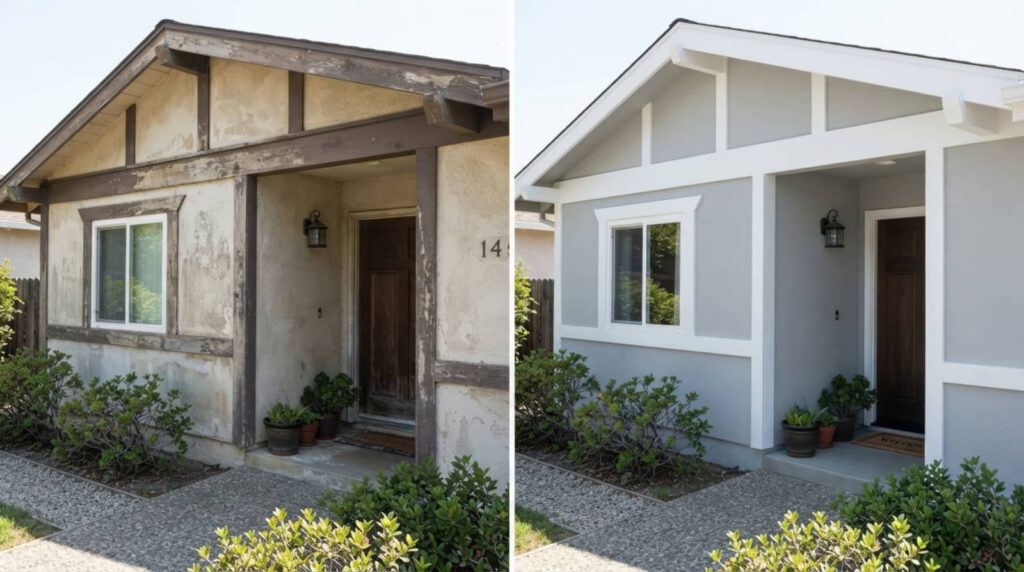
When you invest in siding installation, you’re doing more than updating your home’s look. You’re creating a barrier that helps block moisture, wind, and temperature swings before they can cause damage inside your walls. If the siding isn’t installed correctly, small gaps and poor alignment can lead to higher energy bills and early wear. The difference often shows up sooner than you’d expect, and it starts with details most homeowners never see. Here is how professional installation helps your siding protect your home for years.
Key Takeaways
- Professional siding installation creates a strong barrier against moisture, wind, and temperature changes.
- Proper installation seals seams, corners, and edges to reduce leaks and weather damage.
- Accurate fitting prevents gaps, uneven boards, and other signs of premature siding failure.
- Quality siding work improves insulation performance, reducing drafts and energy waste.
- Choosing an experienced contractor helps ensure durable results, warranty protection, and better curb appeal.
Why Proper Siding Installation Matters
Proper siding installation matters because it protects your home from moisture, wind, and temperature changes while also improving energy efficiency.
When you choose skilled siding installation, you’re setting your home up for reliable performance and a cleaner, more polished look that helps you feel proud of where you live.
Proper alignment, fastening, and spacing let panels fit as intended, so your exterior stays stable and looks consistent over time.
You also avoid common mistakes that can lead to uneven lines, gaps, or early wear.
For homeowners who want a solid, well-kept home, good siding work gives you confidence that your exterior belongs in the neighborhood and supports your long-term comfort.
It’s a practical investment in your home’s durability and value, too.
How Proper Siding Installation Protects Your Home
When siding is installed correctly, it acts as a strong barrier against moisture, wind, and changing temperatures, helping keep your home’s structure dry and protected.
You also get better defense around seams, corners, and edges, where water and air often try to sneak in. That means your insulation can work more effectively, and your interior stays more comfortable through hot summers and cold snaps.
Proper installation helps your exterior materials last longer, too, because they’re less exposed to wear from the elements. For you, that means fewer worries and more confidence in your home’s condition.
When your siding fits right and performs well, you’re not just improving curb appeal—you’re joining the group of homeowners who protect their investment with care and planning every season.
Signs Your Siding Was Installed Wrong
Even a well-made siding product can fail if it’s installed poorly, and the warning signs often show up early. You may notice boards that look uneven, corners that don’t meet cleanly, or gaps where panels should lock together.
If trim pulls away, nails sit too tight or too loose, or seams line up in an obvious pattern, your installation likely needs attention. You might also see siding that buckles, shifts, or makes noise in mild wind.
Around windows and doors, sloppy flashing or missing caulk can leave openings that invite trouble. Trust your instincts: if your exterior looks messy, your home probably isn’t protected the way it should be.
A careful inspection now can help you catch mistakes before they turn into bigger repairs.
How Siding Installation Improves Energy Efficiency
A siding job that’s installed correctly does more than improve curb appeal—it helps your home hold in conditioned air and block outside weather. When panels fit tightly and seams are sealed, you reduce drafts that make rooms feel uneven and push your heating or cooling system harder.
Proper installation also works with insulation and weather barriers, creating a stronger thermal envelope around your house. That means you can stay more comfortable in every season while using less energy day to day.
You’ll notice fewer hot and cold spots, less strain on equipment, and steadier indoor temperatures. For homeowners who want a space that feels welcoming and efficient, well-installed siding is a smart way to protect comfort and cut waste without changing how your home looks.
How to Choose a Siding Contractor
Choosing the right siding contractor starts with verifying experience, licensing, and insurance so you know your project is in capable hands. Ask for local references and photos of finished work, then compare bids line by line so you spot hidden costs. You deserve a team that listens, explains options, and treats your home like part of the neighborhood.
- Check warranties and product knowledge.
- Confirm a clear timeline and written contract.
- Read reviews for communication and cleanup.
When you interview contractors, trust how they answer your questions and whether they respect your budget. A reliable pro will help you choose siding that fits your style, protects your home, and gives you confidence for years ahead.
Frequently Asked Questions
How Long Does Siding Installation Usually Take?
You can expect siding installation to take about one to two weeks, depending on your home’s size, weather, and material. If you prepare ahead, you’ll help the crew work faster and keep disruptions low.
What Siding Materials Require the Least Maintenance?
The least-maintenance siding? You’ll usually choose vinyl, fiber cement, or engineered wood. They resist rot and pests, and you won’t repaint often. Still, one detail can change everything: installation quality. Poor work creates headaches.
Can Siding Be Installed During Winter?
Yes, you can install siding in winter, but you’ll need careful planning. You’ll want a pro who handles cold-weather materials, checks sealing, and avoids moisture issues so your home stays protected and efficient.
How Often Should Siding Be Cleaned?
You should clean your siding once or twice a year, like washing away a season’s dust. Inspect it then, too. If you notice mold, pollen, or grime, clean sooner to keep your home looking cared for.
What Permits Are Needed for Siding Replacement?
You’ll usually need a building permit, and sometimes zoning or historic-district approval too. Check with your local building department before you start, because requirements vary. If you hire pros, they’ll often handle permits for you.
Review
Professional siding installation gives you more than a finished look—it helps protect your home from moisture, wind, and temperature swings. Heating and cooling energy use can be lost through inefficient building envelopes, making proper siding installation a smart upgrade. When you choose a skilled contractor, you’ll improve durability, boost energy efficiency, and avoid costly repairs. Done right, your siding works hard for you for years.
Professional installation is one of the best ways to make sure new siding keeps moisture, pests, and drafts out of your home. When you are ready for professional installation, explore our siding installation and repair services or contact Arko Exteriors to discuss your project. You can also learn more about siding materials and styles.