Most gutter failures start with poor drainage or neglected wear, and you’ll feel the effects fast. If your gutters are rusting, sagging, or over 20 years old, repairs may only delay a bigger problem. Replacement can improve runoff control, cut maintenance, and better match recent roof or drainage changes. The key is knowing when a patch won’t hold and what a modern system can do for your home. Here is how to tell when gutter replacement is the smarter choice than another repair.
Key Takeaways
- Replace gutters when they can no longer handle runoff or your roofline and drainage needs have changed.
- Visible rust, cracks, sagging, or repeated leaks often mean repairs are no longer enough.
- Gutters older than 20 years may suffer fatigue, corrosion, and reduced performance.
- New gutters improve drainage, protect foundations and siding, and reduce mold, erosion, and water damage.
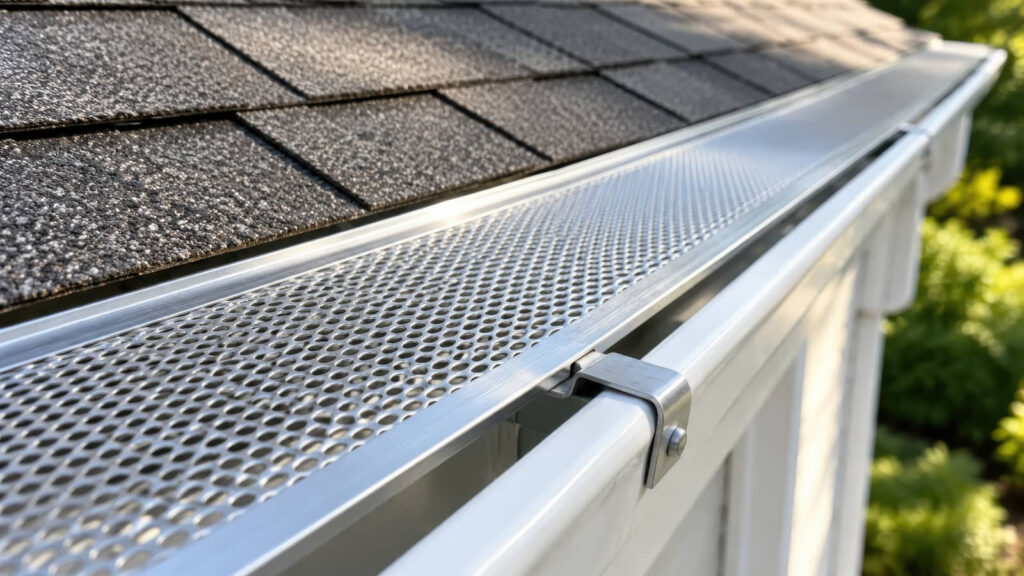
- Seamless gutters and updated materials like aluminum, steel, or copper offer better durability and lower maintenance.
When Gutter Replacement Makes Sense
Gutter replacement makes sense when your current system can no longer manage runoff effectively. You should consider gutter replacement when your roofline, home layout, or drainage demands have changed and your existing gutters can’t match them.
If you’re upgrading siding, adding roof sections, or installing better drainage, new gutters can integrate those updates and keep water moving where it should. You also gain better material choices, improved sizing, and more reliable slope control. That means fewer overflow issues and less stress on fascia, soffits, and landscaping.
When you choose replacement, you’re not just fixing a part; you’re investing in a system that fits your home and supports the neighborhood standard you want. A well-designed upgrade helps you feel confident each time it rains.
Signs Your Gutters Are Beyond Repair
You can tell your gutters are beyond repair when you see visible rust, cracks, or split seams that keep reopening after patching.
Sagging sections or gutters pulling away from the fascia usually mean the fasteners or structure can’t hold them in place anymore.
At that point, replacement is often the most reliable fix to restore proper water flow and protect your home.
Visible Rust And Cracks
When rust starts spreading through metal gutters or cracks begin opening along seams and bends, the system’s structural integrity is already failing.
You can spot this damage by looking for orange staining, flaking metal, or hairline splits that widen after rain and temperature swings. These defects don’t just look bad; they weaken the gutter wall and let water escape before it reaches the downspout.
If you see corrosion around fastener points or repeated patch failures, replacement usually makes more sense than another repair. New gutters restore a continuous channel, improve flow, and help your home stay protected from moisture intrusion.
When you upgrade, you’re joining other homeowners who choose a durable system that works reliably, season after season, without constant maintenance.
Sagging Or Pulling Away
If your gutters are sagging or pulling away from the fascia, the fasteners or the gutter material itself may no longer be holding the system securely in place.
You’ll often see gaps, uneven pitch, or water spilling behind the trough instead of flowing to the downspout. At that point, repairs may only delay a larger failure.
- Inspect hanger spacing and fascia damage.
- Check for warped sections or separated seams.
- Watch for standing water after rain.
- Compare repair costs with full replacement.
When these issues repeat, replacement gives you a tighter fit, better drainage, and fewer risks to your home.
You deserve a system that works with your roof, protects your foundation, and keeps your home in the neighborhood looking cared for.
Should You Repair or Replace Your Gutters?
You should first assess visible damage like cracks, sagging sections, leaks, and separated joints, since these issues often show whether a repair will hold.
Compare the repair cost with full replacement, because repeated patching can cost more over time and still leave performance gaps.
If your gutters are near the end of their service life or keep underperforming in heavy rain, replacement usually gives you a more reliable fix.
Visible Damage Signs
Cracks, splits, sagging sections, and separated joints are clear warning signs that your gutters may be beyond a simple repair. When you inspect them, look for damage that keeps water from moving smoothly and safely away from your home.
You’re not alone if you spot more than one issue; that often means the system is weakening.
- Hairline cracks that widen after rain
- Rust spots or flaking material
- Sections pulling away from fascia
- Joints leaking at multiple points
These visible signs usually point to structural fatigue, not just surface wear.
If you keep seeing the same failures, your gutters can’t reliably protect your roof, siding, or foundation. A careful visual check helps you decide whether the system still belongs on your home.
Repair Cost vs. Replacement
When gutter problems start adding up, repair costs can quickly approach the price of a full replacement. You should compare labor, materials, and repeat service calls before you decide.
Small fixes, like sealing a joint or rehanging a short section, can make sense if the rest of the system is sound. But if you’re paying for multiple patches, new fasteners, and cleanup after each storm, replacement often delivers better value.
New gutters also reduce the chance that hidden leaks keep driving up maintenance. Ask for itemized estimates so you can see the real gap between repair and replacement.
When you choose the option that fits your home’s needs, you protect your property and join neighbors who stay ahead of water damage.
Age And Performance Limits
Gutters don’t last forever, and age is a major factor in deciding whether repair still makes sense. If your system’s over 20 years old, you may already be fighting metal fatigue, seal failure, and warped hangers. At that point, repairs can buy time, but they rarely restore full performance.
Check for these limits:
- Cracks that reopen after sealing
- Sagging runs that hold water
- Corrosion, rust, or brittle vinyl
- Frequent clogs from poor slope
When more than one issue shows up, replacement usually gives you better drainage, fewer service calls, and stronger protection for your home.
You’ll also join homeowners who choose long-term reliability over repeated patchwork. A newer system can match your roofline and keep water moving where it should.
Choose the Right Gutter Material and Style
Which gutter material and profile fit your home best depends on your climate, roof design, and maintenance goals.
You can choose aluminum for a lightweight, corrosion-resistant option that’s common and easy to match to most exteriors. Steel offers added strength for heavy snow or impact, while copper delivers long service life and a distinctive look if you want a premium finish.
Vinyl costs less, but it can become brittle in extreme temperatures. For style, K-style gutters carry more water and blend with modern trim, while half-round profiles suit historic homes and simplify cleaning.
Measure fascia width, downspout layout, and hanger spacing before you order. When you select the right system, you’re joining homeowners who value durability, fit, and low-stress upkeep.
How New Gutters Protect Your Home
New gutters protect your home by directing rainwater away from the roofline, fascia, siding, and foundation before it can soak in or pool around the structure.
You reduce moisture intrusion, wood rot, and soil erosion when water moves through a clear, properly sized channel. That control also helps keep paint, trim, and masonry in better shape, so your home stays sound and cared for.
- They limit overflow at the eaves.
- They lower splashback on siding.
- They reduce pressure on the foundation.
- They help preserve structural materials.
When your gutter system works as one part of your home’s defense, you join the group of owners who prevent damage early instead of chasing repairs later.
What to Expect During Gutter Replacement
Once you know how replacement gutters protect your home, the next step is understanding the work itself. You can expect a contractor to inspect your roofline, measure each run, and confirm downspout placement before removing the old system.
During removal, crews detach fasteners, clean fascia boards, and check for rot or damage that needs repair. Next, they’ll install new hangers, sections, corners, and outlets with the proper slope so water flows correctly.
If your home needs seamless gutters, the team forms them on site for a tighter fit. Finally, they test drainage, seal joints, and clean the work area.
When you know each step, you can stay involved, ask smart questions, and feel confident your home’s water protection is being handled right.
Frequently Asked Questions
How Often Should Gutters Be Replaced?
Typically, you should replace gutters every 20 years, though damaged, sagging, or leaking systems need sooner attention. You’ll protect your home’s shield against water, and you’ll keep your place strong, dry, and welcoming.
Do Seamless Gutters Cost More Than Sectional Gutters?
Yes, you’ll usually pay more for seamless gutters because installers custom-fit them on-site. You’ll get fewer leaks, lower maintenance, and better curb appeal, so many homeowners see the extra cost as worth it.
Can Gutter Replacement Improve Curb Appeal?
Yes, gutter replacement can boost your curb appeal by giving your home a cleaner, more finished look. You’ll improve alignment, color match, and overall style, while also protecting your siding, fascia, and foundation from water damage.
Will New Gutters Work With My Existing Downspouts?
Yes, your new gutters can work with existing downspouts if sizes, profiles, and connections match. You’ll need to check alignment, slope, and outlet placement, and you may need adapters or minor modifications for a watertight fit.
Are Permits Required for Gutter Replacement?
Usually, you won’t need permits for gutter replacement, which is wonderfully convenient for a project meant to stop water damage. Still, you should check local codes and HOA rules, since requirements can vary by location.
Conclusion
When your gutters start sagging, rusting, or failing to move water where it should go, repairs may only buy you time. If your system is over 20 years old or your drainage needs have changed, replacement can protect your home more reliably. You’ll also gain better materials, cleaner lines, and less maintenance. Don’t wait until the next storm exposes the weakness—upgrade now, and you’ll see how much damage you’ve been avoiding.
Gutter replacement makes the most sense when repairs no longer keep water moving away from your home. If you are seeing sagging, rust, or repeated leaks, it may be time to consider gutter replacement. Explore our gutter installation and replacement services or contact Arko Exteriors for an inspection. You can also read more about rain gutters and how they protect a home.