
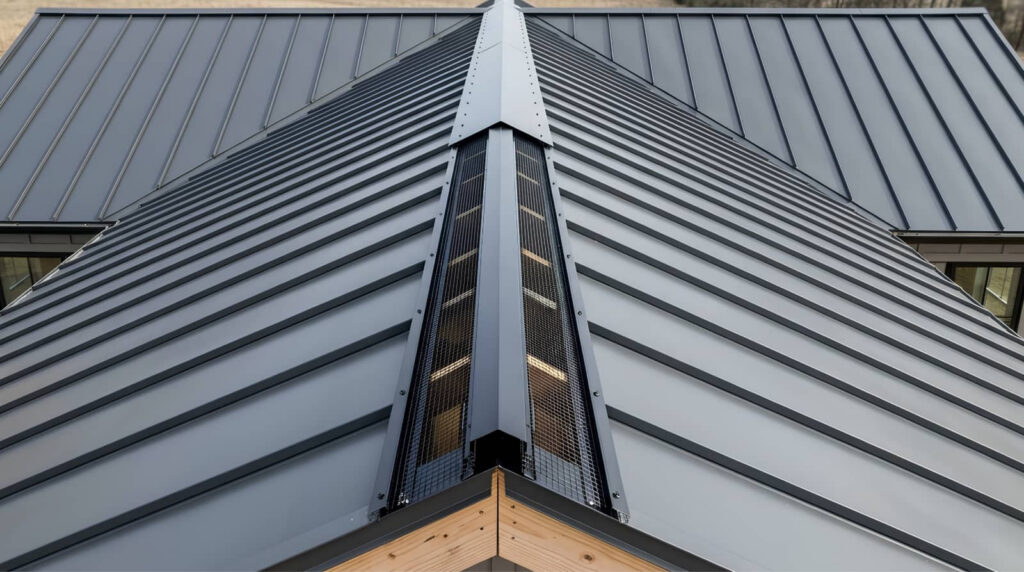
When comparing metal roofing with asphalt shingles, you’re really weighing long-term performance against upfront cost. Metal Roofing vs Asphalt Shingles comes down to factors like lifespan, durability, and maintenance. Metal usually lasts much longer, handles harsh weather better, and requires less maintenance, while asphalt often costs less to install but may need replacement sooner. Noise, energy use, and fire resistance can also affect the choice. The best option depends on your home, climate, and budget, and the details can change the answer.
Key Takeaways
- Metal roofing lasts 40–70 years and outperforms asphalt shingles in wind, fire, impact, and extreme weather resistance.
- Asphalt shingles cost less upfront, but metal roofing usually offers better long-term value through lower maintenance and replacement frequency.
- Metal sheds rain and snow efficiently and reflects heat, while asphalt absorbs more heat and performs better in milder climates.
- Metal roofing needs periodic checks for fasteners, flashing, and corrosion; asphalt shingles need inspection for curling, cracking, and granule loss.
- Roof pitch, local codes, warranties, and contractor expertise should guide the final choice alongside appearance and insurance incentives.
Which Roof Lasts Longer?
When it comes to lifespan, metal roofing usually outlasts asphalt shingles by a wide margin.
In metal roofing vs asphalt shingles, you’ll typically see metal last 40 to 70 years, while asphalt shingles often need replacement after 15 to 30 years.
Metal resists wind, fire, and impact better, so you’re less likely to face early failures in harsh weather.
Asphalt can perform well, but heat, UV exposure, and moisture slowly break it down.
If you want a roof that supports your home for the long haul, metal gives you that advantage.
You still need proper installation and routine checks, but the material itself holds up longer.
That means fewer replacements, more stability, and a roof system you can trust.
Metal Roofing vs Asphalt Shingles Cost
When you compare metal roofing and asphalt shingles, you’ll usually see a higher initial installation cost for metal and a lower upfront cost for asphalt.
You should weigh that against long-term value, since metal often lasts longer and can reduce replacement and maintenance expenses.
Your best choice depends on whether you prioritize lower upfront spending or lower total cost over the roof’s life.
Initial Installation Cost
Upfront, asphalt shingles usually cost less to install than metal roofing, making them the more budget-friendly choice for many projects. You’ll usually see lower material prices, simpler cutting, and faster labor, which keeps your invoice manageable.
Most crews know asphalt well, so you’re less likely to face specialty labor charges or extended scheduling. Metal roofing costs more at installation because panels, fasteners, underlayment, and trim details demand tighter fabrication and more skill.
You may also need upgraded flashing or structural checks, depending on your roof’s design. If you’re comparing bids, ask each contractor to itemize materials, labor, tear-off, and accessory costs. That way, you can compare apples to apples and choose the option that fits your project team and budget.
Long-Term Value Comparison
Upfront price is only part of the equation; the better long-term value depends on how long the roof lasts, how often you’ll repair it, and how much upkeep it needs.
If you choose metal, you usually pay more now, but you gain a longer service life, fewer leak repairs, and better resistance to wind, fire, and impact. That means your total ownership cost often drops over decades.
If you choose asphalt shingles, you spend less at installation, yet you’ll likely face more replacements, granule loss, and weather-related fixes.
For many homeowners, the right choice comes down to budget today versus stability later. If you want to stay with a roof system your neighbors trust, compare lifecycle cost, not just the invoice.
Performance in Noise, Energy, and Fire Resistance
Concerning noise, energy efficiency, and fire resistance, metal roofing and asphalt shingles perform differently enough to affect both comfort and safety.
You’ll usually hear more impact noise from metal unless you add solid decking and insulation. That setup helps your home feel calmer and more familiar.
Metal also reflects more solar heat, so you can reduce cooling demand and keep indoor temperatures steadier. Asphalt shingles absorb more heat, which may raise attic temperatures and increase air-conditioning use.
For fire resistance, many metal systems earn a Class A rating, and quality asphalt shingles can too, depending on the assembly.
You should check the full roof system, not just the surface material, because underlayment and installation affect real-world protection and long-term confidence.
Weather Resistance: Wind, Rain, Snow, and Hail
When severe weather hits, both roofing types can protect well, but they handle wind, rain, snow, and hail differently.
Metal roofing usually resists high winds better because panels lock together and fasteners hold tight. It sheds rain and snow quickly, so water and ice don’t linger on the surface.
Asphalt shingles also perform well, but strong gusts can lift edges, and heavy rain depends more on proper overlap.
In snow country, metal’s slick surface helps loads slide off, while shingles retain more snow.
Hail can dent metal, though it often stays watertight; shingles may lose granules or crack.
If you want a roof that fits a weather-ready, practical neighborhood, both work, but metal gives you a stronger edge in extreme storms.
Maintenance Needs for Each Roof Type
Even the toughest roof needs regular care, and metal and asphalt shingles differ in what that care looks like.
With metal, you mainly inspect fasteners, flashing, sealants, and coating wear. Clear debris, wash off dirt, and check for scratches or exposed metal that could corrode. You’ll usually spend less time on routine upkeep, but prompt repairs still matter.
With asphalt shingles, you’ll inspect for curling, cracking, granule loss, lifted tabs, and algae buildup. Replace damaged shingles quickly and keep gutters open so water doesn’t back up under edges.
Both roofs benefit from seasonal inspections after storms. If you stay consistent, you protect performance, avoid small leaks, and keep your home in the kind of reliable condition every homeowner wants.
Which Roof Works Best for Your Home?
When you compare metal roofing and asphalt shingles, focus first on lifespan and durability, since those factors shape long-term value.
Metal typically lasts longer and resists weather better, while asphalt shingles usually cost less upfront.
You should weigh your budget against the performance you need to decide which roof fits your home.
Lifespan And Durability
Lifespan is one of the biggest differences between metal roofing and asphalt shingles, and it can strongly affect which roof works best for your home.
You can expect metal roofing to resist wind, fire, and impact better, especially when you choose quality panels and proper fastening. It also sheds water quickly, which helps reduce wear over time.
Asphalt shingles can perform well, but they usually age faster because sun, heat, and repeated moisture cycles break down the surface granules and asphalt binder. You’ll often see curling, cracking, or missing tabs sooner.
If you want a roof that supports long-term stability and fewer repairs, metal gives you a clear durability advantage.
If you prefer a familiar system, shingles still work, but they need closer attention and more frequent replacement.
Cost And Performance
Cost isn’t just the price you pay upfront—it’s also what you spend over time on repairs, maintenance, and replacement.
With asphalt shingles, you usually pay less to install, so they fit tighter budgets and let you join the crowd of homeowners who want fast, familiar results.
Metal roofing costs more at first, but you gain longer service life, better wind resistance, and lower maintenance demands.
In hot climates, metal reflects heat and can trim cooling loads; shingles absorb more heat and may age faster.
If you plan to stay in your home for decades, metal often delivers stronger long-term value.
If you need a lower initial outlay and expect a shorter ownership window, asphalt shingles can still make practical sense for your home and your neighborhood.
How to Choose Between Metal and Asphalt
Choosing between metal roofing and asphalt shingles comes down to how you balance upfront cost, service life, and long-term performance.
If you need the lowest initial spend and a familiar install, asphalt usually fits your budget and your timeline. If you want fewer replacements, better wind resistance, and stronger energy performance, metal’s higher price can pay off over time.
You should also weigh your climate: metal handles snow, rain, and heat well, while asphalt can suit mild conditions and simpler structures.
Check your roof pitch, local codes, and insurance incentives before you decide. Talk with a trusted roofer, compare warranties, and look at total ownership cost, not just the quote.
That way, you’ll choose the option that fits your home and your goals.
Recap
When you weigh metal roofing against asphalt shingles, you’re choosing between a marathon runner and a sprinter. Metal may cost more upfront, but it lasts far longer, shrugs off harsh weather, and usually asks for less upkeep. Asphalt shingles can save you money at the start, yet they wear out sooner. If you want a roof that stands guard for decades, metal’s the stronger long-term bet for your home.