
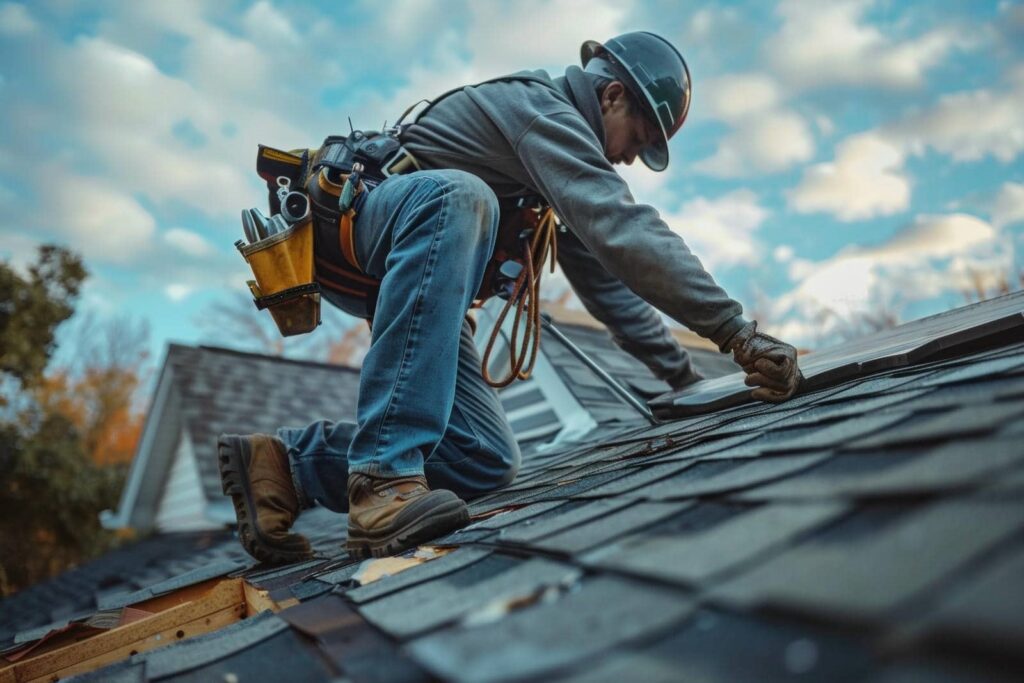
Imagine standing under a leaky roof, water droplets echoing your mounting concerns about replacement costs. You’re not alone in facing this dilemma, and understanding your financing options can make a significant difference. By exploring various avenues, you can find solutions that align with your budget and priorities. What strategies can you employ to ease the financial burden while ensuring quality workmanship? The answers might surprise you.
Key Takeaways
- Explore low-interest loans to reduce monthly payments, making roof replacement costs more manageable over time.
- Consider home equity loans for fixed rates and predictable payments, utilizing your home’s value for financing.
- Investigate federal and state grants for financial assistance, especially for low-income families or disaster-affected areas.
- Obtain multiple contractor quotes to compare payment plans, focusing on interest rates and repayment terms that fit your budget.
- Set aside a contingency fund of 10-15% to cover unforeseen costs during the roof replacement process.
Facing Roof Replacement Costs? Here’s How to Manage Them
Are you feeling overwhelmed by the costs of roof replacement? Understanding the factors that influence expenses can help you manage them effectively.
The roof lifespan varies considerably depending on material choices. For example, asphalt shingles typically last 20-30 years, while metal roofs can last over 50 years. Choosing a durable material may require a higher upfront investment, but it can save you money in the long run by reducing the frequency of replacements.
Additionally, consider local climate conditions; they can impact your roof’s durability and lifespan. By weighing these factors carefully, you can make informed decisions that fit your budget while ensuring your home stays protected.
You’re not alone in facing this challenge—many homeowners share similar concerns.
Why Financing Options Are Critical for Homeowners
Managing roof replacement costs often leads homeowners to evaluate financing options. These options are critical as they address common homeowner challenges, such as unexpected expenses and tight budgets.
Without proper financing, the burden of a significant roof replacement can strain your financial planning, impacting other essential areas of your life. By exploring various financing solutions, you can find a plan that aligns with your financial situation, making the process more manageable.
This not only alleviates immediate financial pressure but also allows you to invest in quality materials and workmanship. Ultimately, having access to flexible financing options empowers you to make informed decisions, ensuring your home remains safe and secure without compromising your financial well-being.
Low-Interest Loans for Roof Replacement Financing: A Smart Choice
When considering roof replacement, low-interest loans can be a smart choice that eases financial strain while ensuring quality work.
These loans offer several low interest benefits that make them appealing. Here’s what you should know:
Affordability: Lower monthly payments make it easier to manage your budget.
Flexibility: Choose a loan term that fits your financial situation.
Approval Process: The loan application is often straightforward, allowing for quicker access to funds.
Improved Home Value: A new roof can enhance your property’s market value, making this investment worthwhile.
Home Equity Loans vs. Lines of Credit: Which Is Best for You?
After exploring low-interest loans, it’s important to evaluate other financing options available for roof replacement, particularly home equity loans and lines of credit. Both can leverage your home’s value, but they come with different features.
| Feature | Home Equity Loans |
|---|---|
| Interest Rate | Fixed |
| Credit Score Requirement | Higher |
| Loan Amount | Lump Sum |
| Repayment Term | Set Duration |
| Usage | One-time expenses |
A home equity loan offers predictable payments, while a line of credit provides flexibility. Assess your credit score to determine eligibility and choose what fits your financial needs best. Understanding these differences helps guarantee your roof replacement is both affordable and manageable.
Available Government Grants for Roof Replacement
When you’re considering roof replacement, exploring available government grants can greatly ease the financial burden.
Federal assistance programs and state-specific grants offer various options tailored to your needs.
Understanding these resources can help you make an informed decision about funding your project.
Federal Assistance Programs
While many homeowners face the challenging cost of roof replacement, federal assistance programs offer valuable resources that can alleviate financial burdens.
Understanding grant eligibility is essential for accessing these options. Here are some key programs to evaluate:
FHA 203(k) Loan: This program allows you to finance the roof replacement within your mortgage.
Home Repair Program: Offered by the USDA, this program assists low-income homeowners.
Weatherization Assistance: Aimed at improving energy efficiency, this initiative can include roof repairs.
HUD Community Development Block Grants: These grants can fund various home improvements, including roofing.
Exploring these federal assistance options can help you make your roof replacement more affordable and secure your home’s future.
State-Specific Grants Available
Many states offer specific grants to assist homeowners with roof replacement, making it vital to explore these local options.
State funding can greatly reduce your out-of-pocket expenses, especially if you’re facing financial constraints. Local initiatives often target low-income families or those in disaster-stricken areas, providing necessary support to guarantee safe housing.
Researching your state’s Department of Housing or local government websites can reveal available grants tailored to your needs. Additionally, some programs may require you to meet specific criteria, so it’s important to understand these requirements fully.
By leveraging these state-specific grants, you not only benefit financially but also contribute to community resilience and sustainability.
Don’t miss out on potential resources that could make your roof replacement more affordable.
How to File an Insurance Claim for Roof Damage?
When you’ve experienced roof damage, the first step is to assess the extent of the damage carefully.
Gathering evidence, like photos and repair estimates, will strengthen your claim.
Once you have this information, you can initiate the filing process with your insurance company.
Assessing Roof Damage Evidence
To effectively file an insurance claim for roof damage, you need to start by thoroughly evaluating the evidence of that damage. A thorough damage assessment and roof inspection can provide essential documentation.
Here’s how to gather the necessary evidence:
Photograph Damage: Capture clear images of any visible damage, including shingles, leaks, or structural issues.
Document Weather Events: Keep records of relevant weather conditions, such as storms or hail, that may have contributed to the damage.
Inspect Interior Spaces: Look for water stains or other signs of roof leaks inside your home.
Hire a Professional: Consider getting a licensed inspector to provide an expert assessment of the roof’s condition.
These steps will help guarantee you have robust evidence for your claim.
Filing The Claim Process
Filing an insurance claim for roof damage can seem intimidating, but understanding the process makes it manageable.
Start by gathering your claim documentation, including photos of the damage and any repair estimates. This evidence strengthens your case and guarantees you provide your insurer with the necessary details.
Next, reach out to your insurance company to initiate the claim. Be aware of the claim timeline; response times vary, but following up regularly can keep your claim on track.
Once an adjuster assesses the damage, they’ll communicate the decision. If approved, you’ll receive compensation to cover repairs.
How Payment Plans Can Ease Your Roof Replacement Costs
While roof replacement costs can seem challenging, payment plans provide a practical solution to ease the financial burden. By offering payment flexibility, these plans help you manage expenses without sacrificing quality.
Here are some budgeting strategies to evaluate:
Monthly Installments: Spread the cost over several months, making it easier to fit into your budget.
No Interest Periods: Take advantage of plans that offer interest-free periods to reduce overall costs.
Flexible Payment Amounts: Choose amounts that fit your financial situation, allowing for adjustments as needed.
Low Down Payments: Start your project with minimal upfront costs, easing immediate financial strain.
How to Pick a Contractor Who Offers Flexible Financing?
When selecting a contractor for your roof replacement, it’s essential to research the financing options they provide.
Verify their credentials to guarantee reliability and compare the payment plans offered to find the best fit for your budget.
This approach helps you make an informed decision that aligns with your financial needs.
Research Financing Options Available
How can you guarantee you choose a contractor who offers flexible financing options for your roof replacement? Start by researching the available financing types to ascertain you find a plan that suits your budget.
Here are some steps to guide you:
Compare financing options: Look for contractors offering various plans, such as installment loans or leasing.
Evaluate interest rates: Check the interest rates associated with each plan. Lower rates can save you money over time.
Ask about payment flexibility: Inquire if they provide options for deferred payments or customized schedules.
Read reviews: Seek feedback from previous clients to see how well contractors handle financing discussions.
Verify Contractor Credentials Thoroughly
Finding a contractor with flexible financing options requires more than just a glance at their offerings; verifying their credentials is essential.
Start by checking their contractor reputation through online reviews and testimonials. A well-rated contractor not only shows quality work but is also likely to provide reliable financing plans.
Next, conduct credential verification by ensuring they’ve proper licenses, insurance, and certifications. This step protects you from potential liabilities and confirms their professionalism.
Don’t hesitate to ask for references and follow up with previous clients about their experiences.
Compare Payment Plans Offered
Which payment plans can best suit your financial situation when considering roof replacement? When comparing contractors, focus on their payment plan comparisons and financing rate options.
Here are four key factors to evaluate:
Interest Rates: Look for competitive rates that won’t strain your budget.
Repayment Terms: Choose flexible terms that allow you to pay off the loan comfortably.
Down Payment Requirements: Some contractors may offer zero or low down payment options, easing upfront costs.
Special Financing Offers: Check for promotional rates or deferred payment plans to save on immediate expenses.
Using Personal Loans Specifically for Roof Replacement
While unexpected roof issues can strain your budget, using a personal loan for replacement can provide a manageable solution. Personal loans offer various benefits, such as fixed interest rates and predictable monthly payments. With a clear loan repayment strategy, you can effectively budget for your roof replacement without overwhelming financial stress.
Here’s a quick comparison of key aspects of personal loans:
| Feature | Description | Benefit |
|---|---|---|
| Interest Rates | Fixed or variable options | Predictable payments |
| Loan Amount | Typically ranges from $1,000 to $50,000 | Flexibility in financing |
| Repayment Terms | 2 to 7 years | Manageable payment schedules |
| Credit Requirements | Varies by lender | Access for different credit levels |
| Approval Process | Quick approvals | Timely funding for repairs |
Using a personal loan can help you restore your roof while maintaining financial stability.
Tips for Budgeting Your Roof Replacement Project
When budgeting for your roof replacement project, it’s essential to assess all potential costs to avoid unexpected financial strain.
Implementing effective saving strategies and thorough expense tracking can greatly ease the process. Here are some tips to help you budget effectively:
Get Multiple Quotes: Compare estimates from different contractors to find the best deal.
Plan for Additional Costs: Consider potential expenses like permits, disposal fees, and unexpected repairs.
Set a Contingency Fund: Allocate at least 10-15% of your budget for unforeseen expenses.
Explore Financing Options: Research loans or payment plans that align with your budget.
Frequently Asked Questions
What Is the Average Cost of a Roof Replacement?
The average cost of a roof replacement ranges from $5,000 to $10,000, depending on roofing materials and labor. Consider replacement warranties as they can provide added value and peace of mind for your investment.
How Long Does a Roof Replacement Typically Take?
A roof replacement typically takes one to three days, depending on the roofing timeline and project duration. Factors like weather, roof size, and complexity can influence how long the process actually takes.
What Factors Affect Roofing Material Costs?
Roofing materials can vary widely in price; for instance, asphalt shingles average $90 per square. When considering roofing material costs, you should look at durability, aesthetics, and perform a cost comparison to guarantee you’re making informed choices.
Can I Finance a Roof Replacement With Bad Credit?
Yes, you can finance a roof replacement with bad credit. Some lenders offer specialized roof loans designed for lower credit scores. Exploring various financing options can help improve your chances despite your credit score challenges.
Are There Tax Deductions for Roof Replacement Expenses?
Yes, you might be eligible for tax benefits if your roof replacement qualifies as a necessary home improvement. Consult a tax professional to explore available deductions and how they can reduce your overall expenses.
Summary
Exploring financing options for roof replacement can greatly ease your financial burden. Did you know that nearly 70% of homeowners consider financing when faced with major home repairs? By understanding the various avenues available, such as low-interest loans or home equity lines of credit, you can make informed decisions that prioritize both quality and affordability. Taking the time to evaluate your options guarantees that you can invest in a durable roof without compromising your financial stability.