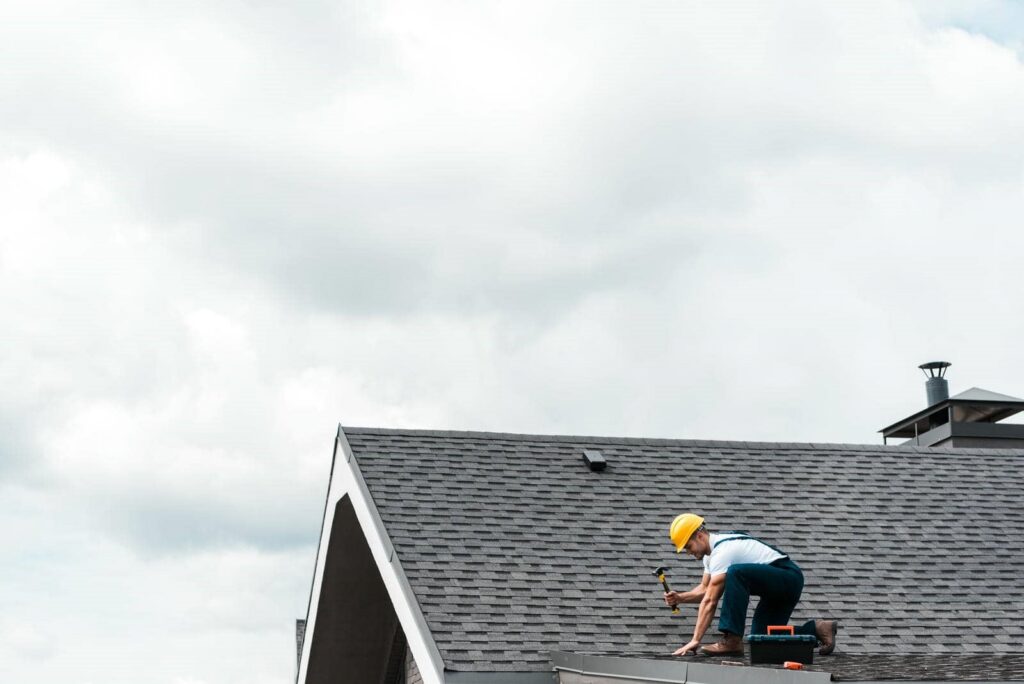
Your roof might not be on the verge of collapse, but ignoring its condition can lead to costly consequences. Frequent leaks, curling shingles, and significant granule loss signal that repairs won’t suffice. If you’re spending more on fixes than a new roof would cost, it’s time to reconsider your options. Understanding the signs that indicate a need for replacement can save you from further damage and expense down the road. What should you look for?
Key Takeaways
- Age of Roof: If your roof is over 20 years old, it may be time for a replacement rather than costly repairs.
- Frequent Repairs: Needing repairs more than twice a year often indicates deeper issues, suggesting a full replacement is necessary.
- Significant Damage: Missing shingles, cracked shingles, or extensive granule loss are clear signs that replacement is warranted.
- Water Damage: Persistent leaks or water stains on ceilings indicate ongoing problems that repairs alone may not resolve.
- Cost of Repairs: If repair costs exceed 30% of a new roof’s price, investing in a replacement could be more economical.
How Aging Affects Your Roof’s Integrity
As your roof ages, its integrity gradually diminishes, which can lead to significant issues if left unaddressed. The typical roof lifespan ranges from 20 to 30 years, depending on materials and environmental factors.
Regular inspections and maintenance tips, like clearing debris and checking for loose shingles, can help extend its longevity. However, signs of deterioration, such as curling shingles or granule loss, indicate it might be time for a replacement.
Ignoring these signs can result in leaks or structural damage, affecting your home’s safety and comfort. By staying proactive about your roof’s condition, you not only protect your investment but also foster a sense of belonging in your community, knowing your home is well-maintained and secure.
Common Types of Visible Damage on Your Roof
How can you tell if your roof is showing signs of damage? You should look for specific indicators that can signal a need for replacement. Common types of visible damage include:
| Type of Damage | Description | Action Needed |
|---|---|---|
| Shingle Curling | Edges of shingles turn upward. | Assess for replacement. |
| Flashing Damage | Damaged metal seals around chimneys. | Repair or replace. |
| Missing Shingles | Shingles are absent from the roof. | Replace immediately. |
| Granule Loss | Bare spots on shingles indicate aging. | Consider replacement. |
| Cracked Shingles | Visible splits or fractures. | Evaluate for replacement. |
Identifying these issues early can help you make informed decisions about your roof’s future.
Signs of Leaks and Water Damage?
If you notice visible water stains on your ceiling or walls, it’s a strong indicator of a leak.
Mold and mildew growth can also signal moisture problems that need immediate attention.
Additionally, sagging areas in your ceiling may suggest structural issues caused by prolonged water damage.
Visible Water Stains
For example, yellowish-brown stains typically suggest slow leaks, while darker spots might signal more severe water infiltration. If you notice these stains, it’s essential to investigate immediately.
Ignoring them could lead to further damage, structural issues, and costly repairs down the line. You want to guarantee your home remains safe and dry, so don’t hesitate to consult a professional.
They can help determine whether a simple repair will suffice or if a full roof replacement is necessary to address the root cause effectively.
Stay proactive it’s better for your home and your peace of mind.
Mold And Mildew Growth
Water stains aren’t the only indicators of roof issues; mold and mildew growth can also signal leaks and water damage. If you notice these unwanted guests, it’s essential to act swiftly. Mold can compromise your indoor air quality, while mildew can lead to further deterioration of your roof.
| Signs | Possible Causes | Actions |
|---|---|---|
| Dark patches | Roof leaks | Inspect roof immediately |
| Musty odor | Poor ventilation | Improve airflow |
| Peeling paint | Moisture retention | Conduct mildew treatment |
For effective mold prevention, guarantee proper ventilation and repair leaks promptly. If you see persistent mold or mildew, it might be time to evaluate a roof replacement. Your health and home deserve the best care.
Sagging Ceiling Areas
When ceilings begin to sag, it often indicates underlying leaks and water damage that shouldn’t be ignored. This sagging can compromise your roof support, leading to more extensive issues down the line.
If you notice uneven areas or bulges, it’s essential to conduct a thorough ceiling inspection. Look for discoloration, peeling paint, or stains—these are telltale signs of moisture intrusion. Ignoring these symptoms can lead to structural damage and costly repairs.
If the damage is extensive, a roof replacement may be necessary to restore your home’s integrity. Don’t wait until it’s too late; addressing sagging ceilings promptly can save you both time and money while ensuring your space remains safe and welcoming.
Are You Tired of Frequent Repairs?
Are you frustrated by the constant need for roof repairs? If you find yourself repeatedly calling a contractor, it might be time to contemplate a roof replacement.
Frequent repairs can quickly add up in repair costs, and they often indicate a deeper issue. Investing in a new roof could save you money in the long run.
Here are some signs that it’s time to replace your roof:
- You’re making repairs more than twice a year.
- The repair costs exceed 30% of a new roof’s price.
- Your roof is older than 20 years.
- You notice recurring leaks or water damage.
How Energy Efficiency Affects Your Roof Replacement
While you might focus on the visible signs of wear and tear, energy efficiency plays a crucial role in determining whether it’s time for a roof replacement. If your roof’s aged or damaged, it can compromise insulation impact, leading to higher energy bills.
Upgrading to energy-saving materials not only enhances your home’s aesthetic but also improves its efficiency. For instance, reflective roofing can reduce heat absorption, keeping your home cooler.
Additionally, a well-insulated roof minimizes energy loss, ensuring your HVAC system works efficiently. If you notice drafts or inconsistent temperatures indoors, it’s a strong indication that your roof isn’t performing at its best.
Investing in a roof replacement now could lead to significant long-term savings and a more comfortable living environment.
Local Regulations for Roof Replacement
Understanding local regulations for roof replacement is essential for homeowners planning an upgrade. Compliance guarantees safety and longevity, and it helps you avoid legal issues down the road.
Here are key points to evaluate:
Building Permits: Most areas require a permit before starting any roof work.
Contractor Requirements: Verify your contractor is licensed and insured to avoid liability.
Zoning Laws: Check local zoning regulations that might affect your roof’s height or materials.
Homeowner Association Rules: If you’re in an HOA, review their guidelines for roofing materials and colors.
Staying informed about these regulations not only protects your investment but also strengthens your sense of community compliance, making your home a safe and appealing space.
Frequently Asked Questions
How Long Does a Typical Roof Replacement Process Take?
A typical roof replacement takes about one to three days, depending on the roof size and replacement materials. Consider the roof lifespan when choosing materials; quality options can greatly enhance durability and performance.
What Factors Influence the Cost of a Roof Replacement?
Think of your roof as a puzzle; the pieces roof materials and installation techniques—greatly influence the total cost. Quality materials and skilled installation can elevate costs, but they guarantee your roof’s durability and longevity.
Can I Stay in My Home During Roof Replacement?
You can typically stay in your home during roof replacement, but guarantee roof safety measures are in place. If noise or debris becomes overwhelming, consider temporary housing for your comfort and peace of mind.
What Warranties Are Available for New Roofs?
When you’re investing in a new roof, you’ll find various warranty types—like manufacturer and workmanship—each with specific coverage details. These warranties protect your home, offering peace of mind and a strong sense of belonging in your space.
How Do I Choose a Reputable Roofing Contractor?
To choose a reputable roofing contractor, check their qualifications, verify licenses, and read reviews. Ascertain they use quality roofing materials, and ask for detailed estimates to compare services and guarantees. Trust your instincts—building relationships matters.
Review
When your roof starts resembling a patchwork quilt rather than a solid shield, it’s time to contemplate a replacement. Just like you wouldn’t patch up a worn-out tire, investing in a new roof guarantees your home stays safe and energy-efficient. Remember, a roof over 20 years old is like an aging athlete it may have had its glory days but is now prone to breakdowns. Don’t wait for the leaks to become waterfalls; take action before the damage escalates.