
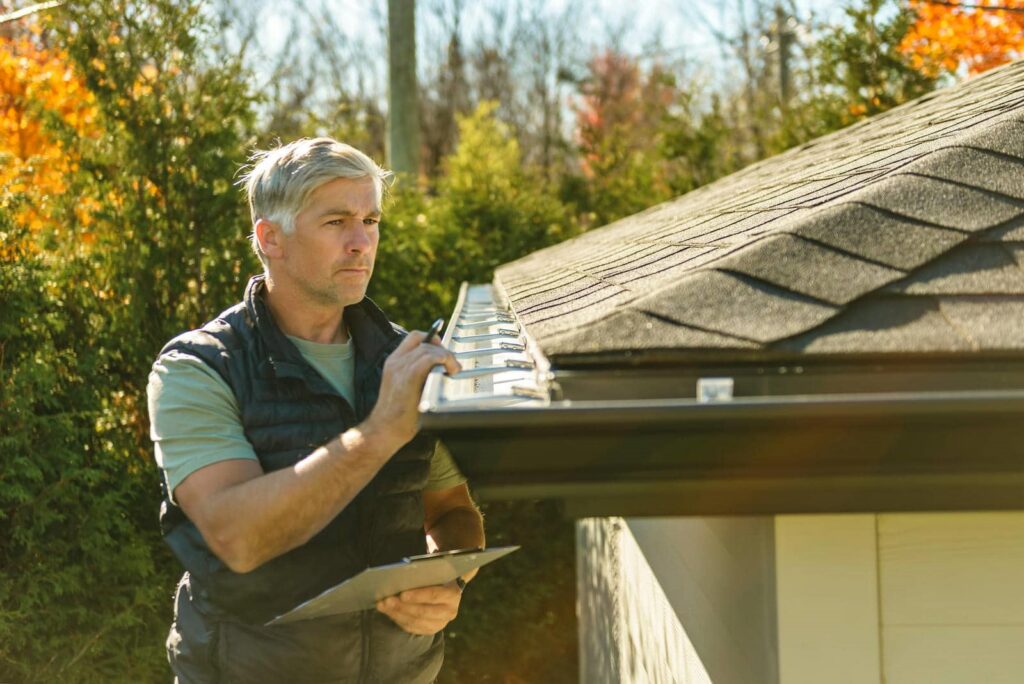
When it comes to roof replacements, it’s often best to address issues before they escalate. You need a practical checklist to guide your inspection, ensuring no detail goes overlooked. Start by identifying key signs of wear, as these can indicate serious problems. Understanding what to look for and having the right tools at your disposal can make all the difference. Let’s explore the essential components that should be part of your inspection process.
Key Takeaways
- Inspect for water stains on ceilings and walls to identify potential leaks before replacement.
- Check shingles for curling, cracking, or granule loss indicating aging materials.
- Look for sagging areas or daylight penetration, signaling structural damage.
- Examine flashings around chimneys and vents for rust or gaps that could lead to leaks.
- Document findings and communicate with your contractor about necessary repairs before replacement begins.
Key Signs You Need a Roof Replacement?
When it comes to your roof, recognizing the key signs that indicate a replacement is necessary can save you from costly damage down the line.
Start with leak detection; any water stains on your ceiling or walls could signal serious issues.
Next, check for material aging. If your shingles are curling, cracking, or losing granules, it’s time to contemplate a replacement.
Additionally, inspect for visible sagging or any daylight peeking through your roof, which often suggests structural damage.
Don’t overlook extensive moss or algae growth, as it can trap moisture and accelerate deterioration.
Why Regular Roof Inspections Matter
Regular roof inspections are essential for maintaining the integrity of your home, as they can identify potential issues before they escalate into costly repairs.
By scheduling routine checks, you enhance your roof’s longevity and guarantee it withstands harsh weather conditions. These inspections allow you to spot minor leaks, damaged shingles, or debris buildup that could lead to larger problems if left unattended.
The maintenance benefits extend beyond immediate repairs; they can help you save money in the long run by prolonging your roof’s lifespan.
Additionally, knowing your roof is in good condition brings peace of mind, fostering a sense of security for you and your family.
Prioritizing these inspections means investing in your home’s future.
Must-Have Tools for Your Roof Inspection
Having a clear understanding of your roof’s condition is essential, and having the right tools makes inspections more effective.
Start with basic roofing tools like a sturdy ladder, which allows you to access your roof safely. A quality flashlight helps you spot potential leaks or damage in dark areas. Don’t forget a tape measure for evaluating any structural concerns or dimensions.
Inspection gear like binoculars can be invaluable for viewing hard-to-reach spots without climbing. A digital camera is also handy for documenting issues as you go.
Finally, a notepad or mobile device can help you keep track of findings. With this set of tools, you’ll be well-equipped to perform thorough and accurate roof inspections.
Step-by-Step Guide to Inspecting Your Roof
Before you start your roof inspection, it’s essential to gather all necessary tools and guarantee safety precautions are in place.
Begin by examining roof materials for any visible signs of wear, like cracks, curling, or missing shingles. Use binoculars if needed for a closer look.
Next, check the flashings around chimneys and vents for rust or gaps. Employ inspection techniques such as tapping the roof to identify hollow spots, which may indicate damage beneath the surface.
Don’t forget to inspect the gutters for debris, as this can affect drainage.
Finally, document your findings, noting any areas requiring further attention or repair. This thorough approach fosters a sense of community, ensuring you maintain a safe and sound home for yourself and others.
How to Get Ready for Your Roof Replacement
As you prepare for your roof replacement, it’s essential to create a plan that minimizes disruption and guarantees safety.
Start by selecting the right contractor; research their credentials and reviews to confirm they’ve a solid reputation. Discuss your preferred roof material with them, considering factors like durability and aesthetics.
Next, clear your yard of any furniture or decorations to create a safe working environment. If you have pets, make arrangements to keep them indoors or away from the work area.
Inform your neighbors about the upcoming work to foster goodwill and minimize inconvenience.
Finally, establish a timeline with your contractor, so you know what to expect throughout the process. This proactive approach will help ensure a smooth roof replacement experience.
Frequently Asked Questions
How Long Does a Typical Roof Replacement Take?
A typical roof replacement takes about one to two weeks, depending on weather and project phases. Your roofing timeline includes removal, installation, and inspections, ensuring a thorough process that meets your needs and expectations.
What Are the Best Materials for Roof Replacement?
When it comes to roof replacement, you can’t go wrong with asphalt shingles or metal roofing. Both offer durability and aesthetic appeal, ensuring your home stands out while providing solid protection against the elements.
How Much Does Roof Replacement Usually Cost?
Roof replacement typically costs between $5,000 and $15,000. Consider roof financing options and check your insurance coverage to help manage expenses. Researching thoroughly guarantees you make informed decisions that fit your budget and needs.
Can I Stay in My Home During the Replacement?
You can stay in your home during the replacement, but expect noise levels, dust management, and safety precautions to affect your comfort. Consider creating a temporary shelter to minimize disruptions and guarantee your peace of mind.
What Warranties Are Available for Roof Replacements?
You’ll find various warranty types for roof replacements, including manufacturer and workmanship warranties. Coverage details vary, so review them carefully to guarantee you’re protected against defects and installation issues, giving you peace of mind.
To Sum Up
Conducting a thorough roof inspection is essential for maintaining your home’s integrity. You might think it’s too time-consuming, but remember, catching issues early can save you significant costs down the line. By following this checklist, you’ll guarantee that no potential problems go unnoticed. Regular inspections not only extend your roof’s lifespan but also provide peace of mind. So grab your tools and get started your roof will thank you for it!