
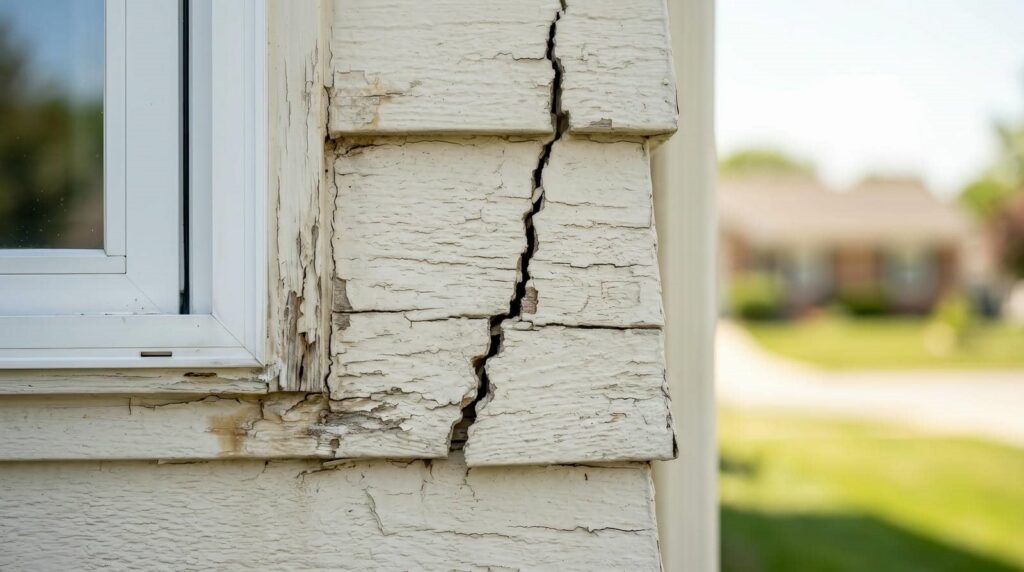
When your siding starts to fail, it’s like a cracked shield in a storm. You need to treat visible splits, loose panels, or open seams as urgent because they can let water, air, and pests into the wall system fast. Temporary patching may slow the damage, but it won’t always hold. The key is knowing when a quick fix buys time, and when the problem means you need help now.
Key Takeaways
- Emergency siding repair is needed when damage exposes sheathing, framing, or insulation to water, wind, or air leakage.
- Loose, missing, cracked, or detached siding panels are urgent signs that the home’s weather barrier has failed.
- Storm damage and widening gaps can let moisture behind siding, increasing the risk of hidden rot and structural deterioration.
- Temporary protection, like tarps or house wrap, helps limit further damage until permanent repairs are made.
- Call a siding contractor quickly when damage is active, widespread, or leaves openings around corners, joints, or trim.
What Counts as Emergency Siding Repair?
Emergency siding repair becomes necessary when damage leaves your home vulnerable to water intrusion, air leakage, or structural deterioration.
You’re dealing with an urgent condition, not a routine maintenance issue, when siding can’t protect the wall assembly or keep weather out.
Emergency siding repair includes situations where panels are loose, missing, split, or detached enough to expose underlayment, sheathing, or framing.
It also covers impact damage, storm-related failure, and sudden openings around corners, joints, or trim that compromise the building envelope.
You should act quickly because delays can let moisture spread and reduce the home’s structural performance.
When you handle emergency siding repair promptly, you protect your property, preserve comfort, and stay aligned with the standards homeowners in your community expect.
Signs Your Siding Needs Immediate Repair
You can spot urgent siding problems by checking for visible cracks and gaps that let moisture and air reach the sheathing.
Warping or loose panels also signal that your siding has lost its protective seal and may need immediate repair.
If you notice either issue, you should act quickly to prevent further structural exposure.
Visible Cracks And Gaps
Visible cracks and gaps in siding can quickly let in moisture, air, and pests, making them a clear sign that immediate repair is needed. You should inspect these openings closely, especially around seams, corners, trim, and penetrations.
Even small splits can expand with temperature swings and weather exposure, reducing your home’s protective barrier. When you spot daylight, soft edges, or separating joints, act fast and schedule emergency siding repair.
Prompt sealing and replacement help keep water out, preserve insulation performance, and limit hidden damage behind the cladding. If your home’s exterior has started showing these flaws, you’re not overreacting—you’re protecting your property like a prepared homeowner.
Quick attention keeps your siding system performing as designed and helps your home stay secure, efficient, and well defended.
Warping Or Loose Panels
Warping or loose siding panels usually mean the cladding has already lost its tight seal and may no longer be protecting your home properly.
You should inspect these areas right away because movement often signals hidden moisture damage, failing fasteners, or trapped expansion stress. If panels bow, buckle, or rattle in the wind, water can get behind them and spread into the sheathing.
You don’t want that exposure to worsen while you wait. Tighten or replace affected sections promptly, but if the deformation is widespread, call a siding professional for emergency repair.
Acting now helps you stay ahead of rot, mold, and energy loss, and it keeps your home envelope solid. That kind of quick response protects your place and supports the community standard you want to maintain.
How Siding Damage Lets Water In
When siding cracks or gaps open, they give water a direct path behind the exterior cladding.
You may not see the intrusion right away, but moisture can collect behind panels and begin damaging the sheathing and framing.
Once that barrier is compromised, you need emergency siding repair to stop further exposure.
Cracks And Gaps
Even small cracks and gaps in siding can let water slip behind the exterior cladding, where it can soak the sheathing, insulation, and framing.
You should inspect seams, corners, penetrations, and board ends for hairline splits, open joints, and missing caulk after storms or freeze-thaw cycles. These openings often widen as materials expand, contract, or pull away from fasteners.
When you spot them, act quickly, because each wetting event increases repair scope and cost. Temporary sealing can help, but emergency siding repair is the right move when damage is active, widespread, or paired with loose panels.
Moisture Behind Panels
Once siding lets water past the exterior face, moisture can collect behind the panels and spread into the sheathing, insulation, and framing.
You may not see the damage right away, but trapped water raises humidity, softens wood, and weakens fasteners.
If you notice peeling paint, warped boards, or a musty odor, you’re likely dealing with hidden intrusion.
In that situation, you need prompt emergency siding repair to stop ongoing saturation and limit structural decay.
A qualified crew can open affected sections, inspect the substrate, and replace compromised materials before rot or mold advances.
Acting quickly helps you protect your home’s envelope, preserve energy performance, and keep your property secure.
When you address moisture early, you stay ahead of costly repairs and join the homeowners who respond before minor damage becomes a major problem.
Why Storm Damage Gets Worse Quickly
Storm damage can escalate fast because compromised siding no longer blocks wind, rain, and debris the way it should.
Once a panel cracks, loosens, or pulls away, every gust can widen the opening and drive moisture deeper into your wall assembly. You may also see adjacent panels shift, which lets water track along seams and fastener points.
In cold weather, trapped moisture can freeze and expand, stressing the material even more. UV exposure and repeated wet-dry cycles then weaken exposed edges, so the damage doesn’t stay localized.
You protect your home best when you act quickly, inspect the affected area, and restore the barrier before the problem spreads. That fast response helps you stay ahead of structural risk and keeps your home in the safe, well-kept condition you want.
When Temporary Fixes Aren’t Enough
If a tarp, sealant, or patched panel still leaves gaps, bulges, or loose edges, the repair isn’t buying you enough protection. You need a tighter, more durable fix when wind can lift material, water can track behind the siding, or insulation stays exposed.
A temporary patch works only when it seals the opening, sheds moisture, and stays anchored under normal weather. If you can see movement, hear flapping, or notice ongoing staining, the system’s still vulnerable. At that point, you’re not buying time—you’re accepting more risk.
Emergency siding repair helps you restore a weather-tight barrier before damage spreads into framing, sheathing, or interior finishes. You’re making the same smart move other prepared homeowners make: stop the leak path, stabilize the wall, and protect the structure now.
What to Do After Hail or Impact Damage
After hail or impact damage, you should inspect the siding for cracks, punctures, loose panels, and displaced trim.
Photograph and document each impact mark so you can support repairs or insurance claims, and cover any exposed areas with a weatherproof temporary barrier if moisture could enter.
Prompt action helps you limit further exposure and keeps minor damage from becoming a larger repair.
Assess Visible Damage
A quick visual inspection can tell you whether hail or impact damage has exposed your siding to moisture intrusion.
Walk the perimeter and look for cracks, punctures, dents, warped panels, and separated seams. Pay close attention to corners, trim, and areas where wind-driven debris likely struck harder.
If you see missing sections, soft spots, or panels that no longer sit flat, treat the area as vulnerable. You don’t need to remove siding to spot serious trouble; surface damage often signals hidden compromise.
Run your hand along affected sections and note any flexing or looseness. If the damage is localized, you may only need targeted emergency repair.
If multiple panels are broken or shifted, your home’s weather barrier could be at risk, and prompt action will help keep your place protected.
Document Impact Marks
Hailstone bruises and impact scuffs can tell you where siding took the hit, so document them before you move or repair anything. Use your phone or camera to capture each mark in sharp focus, then step back for wider shots that show location on the wall.
Include a ruler, coin, or tape measure in frame so you can gauge size. Note the date, weather event, and siding material, and keep each image organized by elevation or panel.
If you spot cracks, dents, or chipped coatings, record their pattern and direction. Clear documentation helps you brief a contractor, support an insurance claim, and stay aligned with neighbors who may be comparing storm damage.
Save everything in one folder so you can act fast.
Cover Exposed Areas
Once you’ve documented the damage, cover any exposed sheathing, insulation, or wall openings with a weatherproof tarp or house wrap to keep water and wind out.
Fasten the covering with cap nails, screws, or battens so it won’t tear in gusts. If the opening is large, overlap seams by at least 6 inches and slope the top edge to shed runoff.
You should never tape directly to wet surfaces or leave edges loose, because moisture can wick behind the barrier.
Check nearby trim, flashing, and underlayment for hidden splits, then seal minor gaps with compatible caulk.
These steps buy you time, protect your home’s envelope, and help your repair crew work from a dry, stable substrate.
If you’re unsure, call a siding pro now.
Temporary Steps to Protect Your Home
If you can’t complete emergency siding repair right away, take temporary steps to limit water intrusion and structural exposure.
You should secure loose panels with corrosion-resistant fasteners, then cover damaged sections with a breathable tarp or housewrap. Tape seams tightly, but don’t trap moisture behind the barrier.
Clear gutters and downspouts so runoff moves away from the wall, and grade nearby soil to shed water from the foundation.
Inside, move furniture away from affected walls and check for damp insulation, staining, or soft framing.
If wind is likely, add battens or sandbag anchors to keep coverings stable.
These measures won’t replace repair, but they help you protect your home, reduce further damage, and stay in control until your siding team arrives.
What An Emergency Siding Patch Covers
An emergency siding patch covers the damaged area well enough to stop active water intrusion and limit exposure to wind, pests, and debris until full repairs can begin.
You’re not restoring full performance; you’re stabilizing the wall assembly and protecting adjacent materials. A proper patch usually addresses:
- Open seams or missing siding
- Cracks, punctures, and broken panels
- Loose edges that admit moisture
- Gaps around trim, corners, or penetrations
You may also need a weather-resistant barrier, flashing, and sealant to keep the envelope tight.
The goal is to reduce immediate risk, preserve indoor comfort, and buy you time for a coordinated repair. When you act quickly, you protect your home and stay aligned with neighbors who value smart maintenance.
How to Hire a Siding Contractor Fast
When a siding patch only buys you time, you need a contractor who can mobilize quickly and finish the repair before moisture spreads or exterior materials fail.
Start by calling local siding crews with proven emergency response, then ask who can inspect, quote, and schedule within 24 to 48 hours. You should verify licensing, insurance, manufacturer training, and recent exterior repair experience.
Request photos of similar jobs, a clear scope, and material availability before you sign. Confirm whether they handle matching profiles, flashing, and cleanup.
Choose the team that communicates plainly, shows up prepared, and gives you a realistic start date. Fast hiring works best when you stay organized, compare options, and trust the contractor who makes you feel informed, protected, and part of the process.
When to Call for Siding Repair Right Away
Call for siding repair right away if you notice missing panels, large cracks, active leaks, or sections that have pulled away from the wall, because these failures can expose sheathing and framing to moisture, wind, and pests.
You’re protecting your home and your neighbors’ confidence in a well-kept property.
- Water stains spreading indoors or around trim
- Soft, swollen, or rotting substrate beneath siding
- Sudden gaps after storms, impact, or freeze-thaw damage
- Mold, insect activity, or drafts near exterior walls
Don’t wait for small defects to grow.
Emergency service can stop hidden damage, preserve insulation, and restore the weather barrier before repairs become structural.
If your siding is compromised, act now so your home stays secure, dry, and part of a resilient community.
Frequently Asked Questions
Does Homeowners Insurance Cover Emergency Siding Repair?
Usually, yes, if wind, hail, fire, or sudden damage caused it. You’ll need prompt documentation, and your policy may limit coverage for wear, neglect, or gradual deterioration. Check your deductible, then file fast.
Can I File a Claim Before Repairs Start?
Yes, you can file before repairs start; insurers often require prompt notice, and over 60% of property claims face delays without photos. You’ll strengthen your case by documenting damage, preventing more exposure, and keeping receipts.
How Long Can Damaged Siding Safely Wait?
Damaged siding can’t safely wait long, especially if you see cracks, gaps, rot, or moisture. You should act within days, not weeks, because water intrusion, insulation loss, and structural damage can escalate quickly.
Should I Replace Siding or Just Patch It?
If your siding has one small crack, you can patch it; if you’ve got rot, warping, or leaks, replace it. You’ll protect your home, avoid bigger damage, and join neighbors who fix problems early.
Will Emergency Repairs Match My Existing Siding?
Emergency repairs can match your existing siding closely, but you may see slight differences in color, texture, or weathering. You’ll get the best blend with original materials, careful sourcing, and skilled installation.
Final Thoughts
When siding damage lines up with rain, wind, or visible gaps, you don’t have time to wait. You should treat cracked panels, loose sections, and active leaks as emergency siding repair issues because water can travel fast and hidden damage can spread just as quickly. Temporary patches can buy you time, but they don’t solve the problem. Call a qualified contractor right away, protect your home, and stop small failures from becoming costly repairs.