
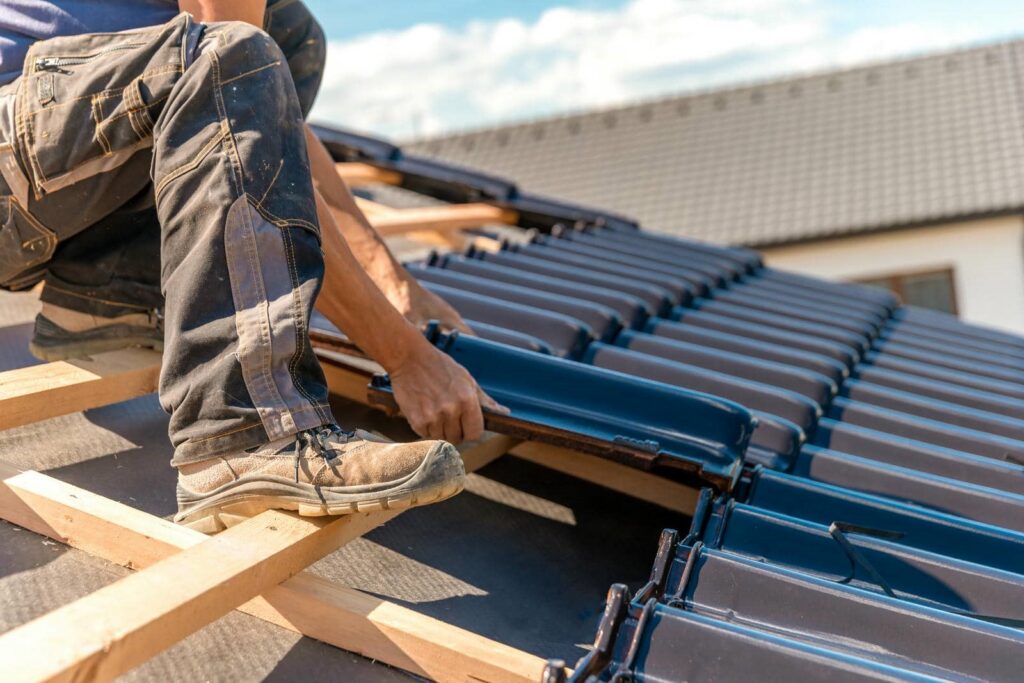
You might find it interesting that many homeowners face the same dilemma when it comes to roof issues: repair or replacement. It’s crucial to weigh the extent of damage against long-term costs. While a simple patch might seem sufficient, underlying problems could lead to bigger expenses down the road. Understanding the signs of deterioration and the implications of each choice can help you make an informed decision that protects both your home and your finances.
Key Takeaways
- Assess the extent of damage; minor issues may warrant repair, while significant deterioration often necessitates replacement for long-term benefits.
- Consider the age and material of your roof; older roofs typically require replacement, especially if repairs are frequent and costly.
- Evaluate your budget; while repairs are cheaper upfront, ongoing costs can make replacement more economical over time.
- Monitor weather impacts; frequent storms can accelerate wear, making timely inspections crucial for deciding between repair or replacement.
- Seek professional advice for accurate assessments; experts can identify hidden issues and recommend the best solution for your roof’s condition.
How to Identify When Your Roof Needs Repair or Replacement?
How can you tell when your roof needs repair or replacement? Start with regular roof inspections, focusing on signs of wear like cracks or missing shingles.
Leak detection is essential; any water stains inside your home could indicate deeper issues. Consider the material lifespan of your roof—different materials have varying durability.
Pay attention to weather patterns; frequent storms can accelerate damage. Maintenance tips, like cleaning gutters, help extend your roof’s life.
Think about energy efficiency too; poor insulation can raise bills. Aesthetic considerations matter; an aging roof can detract from your home’s appearance.
Understanding Repair vs. Replacement Costs
When deciding between roof repair and replacement, understanding the associated costs is essential.
Repair costs generally range from a few hundred to several thousand dollars, depending on the extent of damage. Factors like material type, labor, and accessibility play significant roles in determining these expenses.
On the other hand, replacement often involves a higher upfront investment but can offer better repair longevity, potentially saving you money in the long run.
Consider the cost factors carefully; for instance, frequent repairs may indicate that a replacement is more economical over time.
It’s important to assess your specific situation and budget to make an informed decision that aligns with your long-term goals for your home.
Roof Lifespan: When to Repair or Replace
Understanding when to repair or replace your roof is essential for maintaining your home’s integrity.
You’ll need to recognize the signs that indicate a replacement is necessary and weigh the costs of repairing versus replacing.
This assessment can save you money and extend your roof’s lifespan.
Signs You Need Replacement
As roofs age, they inevitably show signs of wear that can indicate the need for replacement. If you notice shingle deterioration, such as curling or missing pieces, it’s a clear signal to contemplate this option.
Moisture damage can compromise structural integrity, leading to more significant issues down the line. Additionally, a decline in energy efficiency may increase your utility bills, making your home less comfortable.
Aesthetically, an aging roof can detract from your home’s curb appeal, impacting resale value. Addressing these issues promptly can prevent insurance implications from extensive damage.
Ultimately, investing in a new roof can be a long-term investment, ensuring safety and enhancing your property’s overall value.
Repairing vs. Replacing Costs
Deciding between repairing or replacing your roof often hinges on cost considerations and the roof’s remaining lifespan.
When evaluating repair longevity, consider the extent of damage and whether it’s a short-term fix or a more durable solution. Repairs can be more cost-efficient if the roof has several years left, but a patch may lead to recurring expenses if the underlying issues aren’t addressed.
Conversely, if your roof is nearing the end of its life, investing in a replacement can save you money in the long run.
Weigh the immediate costs of repairs against the potential expenses of replacements. Ultimately, understanding these factors helps guarantee you make a choice that’s both financially sound and beneficial for your home’s future.
How Different Roof Types Influence Repair vs. Replacement Decisions
When evaluating whether to repair or replace your roof, the type of roofing material considerably impacts your decision. Different materials have unique characteristics that influence shingle durability, material lifespan, and overall performance.
Cost Effectiveness: Some materials might offer better long-term savings despite higher upfront costs.
Maintenance Requirements: Different roofs necessitate varying levels of upkeep, affecting your overall investment.
Aesthetic Considerations: The visual appeal of roofing materials can enhance or detract from your home’s value.
Understanding installation techniques and environmental factors can also guide your choice.
Consider how the insulation impact and energy efficiency align with your regional trends.
Ultimately, your decision should reflect both practicality and personal style.
Considering Weather Effects on Your Roof Decision?
When evaluating whether to repair or replace your roof, consider the seasonal weather impacts in your area.
Storm damage assessment is essential, as heavy rains, snow, or high winds can accelerate wear and tear.
Understanding these factors helps you make a more informed decision regarding the longevity and integrity of your roof.
Seasonal Weather Impacts
As you weigh the options between roof replacement and repair, seasonal weather impacts play a crucial role in your decision-making process. Understanding how the elements affect your roof can help you choose wisely.
Consider these factors:
Hail Damage: Can cause significant wear, especially in spring.
Wind Effects: High winds may loosen shingles, leading to further issues.
Snow Accumulation: Heavy snow can result in moisture buildup and structural stress.
Regular seasonal inspections can identify these problems before they escalate.
Be mindful of temperature fluctuations, which can weaken materials over time.
Effective storm preparedness, including evaluating heat exposure and moisture levels, will guarantee your roof stands strong through seasonal challenges, helping you decide whether repair or replacement is needed.
Storm Damage Assessment
Seasonal weather impacts can lead to severe storm damage, requiring a thorough assessment to determine the best course of action for your roof.
After a storm, you need to conduct a damage assessment to identify any issues that may compromise your roof’s integrity. Look for missing shingles, leaks, or structural damage, as these can escalate if left unaddressed.
Documenting the storm impact through photographs can aid in discussions with your insurance provider. Depending on the severity of the damage, you might need repairs or a complete replacement.
Engaging a roofing professional for an expert evaluation guarantees you make an informed decision, protecting your home and investment effectively.
Prioritizing this assessment can prevent further complications down the line.
Why Getting Professional Advice Is a Smart Move
Getting professional advice on roof replacement or repair can greatly impact the longevity and safety of your home. Seeking a professional consultation provides you with an expert evaluation of your roof’s condition, ensuring you make informed decisions.
Here are key reasons to weigh professional guidance:
Accurate Diagnosis: Experts can identify issues you might overlook.
Cost-Effectiveness: Proper evaluation can save you money in the long run by preventing unnecessary repairs or replacements.
Safety Assurance: Professionals understand safety standards, protecting you and your family.
Ultimately, relying on experienced contractors fosters a sense of community and trust, ensuring your home remains a secure haven.
Making the right call now can save you stress and resources in the future.
Frequently Asked Questions
How Long Does a Roof Replacement Typically Take?
A roof replacement typically takes one to three days, depending on project factors like roofing material, house size, and weather conditions. Understanding the roofing timeline helps you better prepare for this significant home improvement project.
Can I Stay in My Home During Roof Work?
Yes, you can stay in your home during roof work, but expect noise concerns and potential safety hazards. Keep communication open with the crew to make certain everyone’s aware of roof safety protocols while you’re there.
What Permits Are Required for Roof Replacement?
You’ll need to check local regulations for specific permit types required for roof replacement. Building codes often dictate inspection requirements, so make sure you secure necessary permits to comply with all applicable standards and avoid potential issues.
Does Homeowners Insurance Cover Roof Replacement?
Yes, homeowners insurance often covers roof replacement, depending on your policy. You’ll need to follow the claim process, providing necessary documentation to guarantee your insurance coverage applies to the damages sustained. Always check your specific policy details.
How Can I Choose a Reliable Roofing Contractor?
To choose a reliable roofing contractor, verify their credentials, check references, and discuss the project timeline. Confirm they’re licensed and insured, as this protects you and guarantees quality work throughout the roofing process.
Recap
Deciding between roof replacement and repair isn’t just a matter of cost; it’s about preserving the very structure over your head. You don’t want to ignore the signs, as a compromised roof can feel like living beneath a ticking time bomb. By understanding the factors involved and consulting a professional, you’ll make the right choice that protects your home for years to come. Remember, a well-maintained roof is your best shield against nature’s elements.