
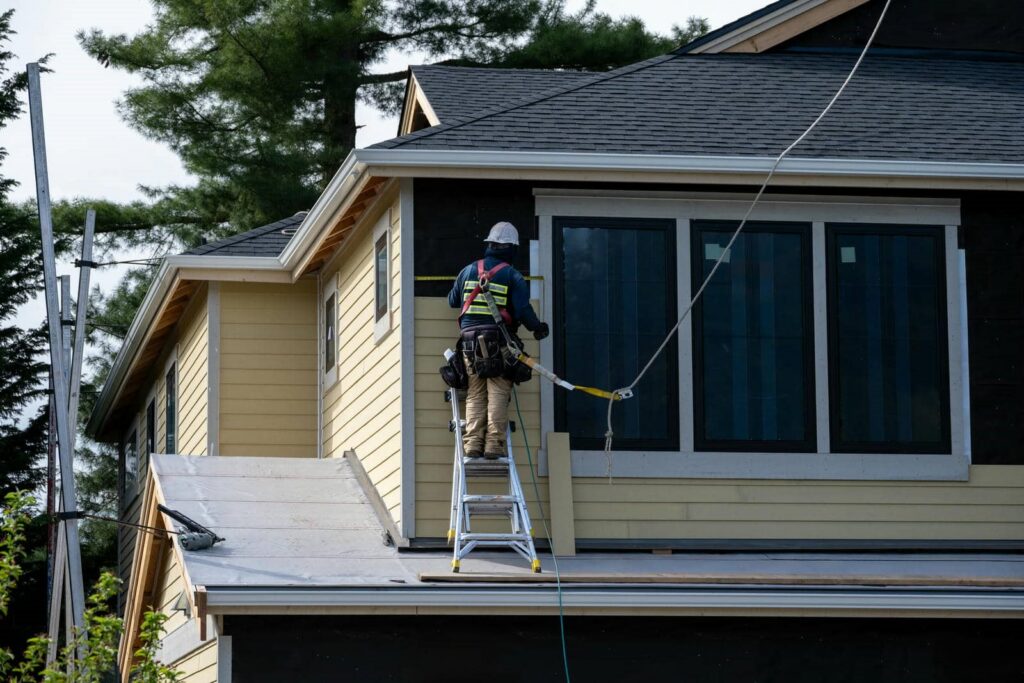
To ensure a smooth process on roof installation day, it’s essential to take several key steps. From clearing the area around your home to communicating effectively with your roofing team, every detail matters. Understanding these preparations can make a significant difference in the overall experience and outcome. Let’s explore how you can set the stage for a successful roof installation.
Key Takeaways
- Clear the area around your home of debris, furniture, and vehicles to ensure safety and easy access for the roofing crew.
- Protect your landscaping by moving potted plants indoors and covering delicate flower beds with breathable tarps.
- Communicate your expectations and concerns with the roofing team, and keep neighbors informed about the installation timeline and noise levels.
- Prepare for noise disruption by using soundproofing techniques and consider relocating children or pets during the installation.
- Check weather forecasts and ensure the contractor has a contingency plan; stock up on essential supplies like tarps and buckets.
Clear the Area Around Your Home for Roof Installation
Before the roof installation begins, it’s essential to clear the area around your home to secure a safe and efficient work environment. Start by removing any roof debris, like branches and leaves, from the vicinity. This aids the crew and prevents accidents.
Next, make sure that any outdoor furniture, vehicles, and decorations are moved at least 10 feet away from the house. This space allows for safe equipment storage and easy access for the roofing team.
Additionally, consider covering nearby plants and shrubs to protect them from potential damage. By preparing the area, you contribute to a smoother installation process, fostering a sense of community and cooperation with your roofing professionals.
Protect Your Landscaping and Gardens During Installation
To protect your landscaping during roof installation, start by moving potted plants indoors to prevent damage.
Cover delicate flower beds with tarps to shield them from falling debris and heavy equipment.
Additionally, use protective tarps strategically in areas where potential hazards may arise.
Move Potted Plants Inside
As roof installation approaches, it’s essential to protect your landscaping and gardens by moving potted plants inside. This simple action helps ensure your plants remain safe from debris and potential damage during the installation process. Proper indoor placement allows for continued plant care without disruption.
| Plant Type | Ideal Indoor Location | Care Tips |
|---|---|---|
| Succulents | Bright, sunny spot | Water weekly |
| Ferns | Humid, indirect light | Mist regularly |
| Flowering Plants | Near a window | Check soil moisture |
Cover Delicate Flower Beds
Covering delicate flower beds is essential for protecting your landscaping during roof installation. As heavy materials and debris may fall, ensuring flower bed protection will help avoid damage to your plants.
Start by using lightweight fabric or breathable tarps to shield your blooms while still allowing sunlight and moisture to reach them. Secure the covers well, so they don’t blow away in the wind.
Additionally, consider placing stakes around the perimeter to further enhance landscaping safety. If you have particularly fragile plants, you might want to move them temporarily to a safer location.
Use Protective Tarps Strategically
Once you’ve secured your flower beds, using protective tarps strategically can further safeguard your landscaping during roof installation. Proper tarp placement is essential; it helps catch debris and prevents damage to your plants. Choose durable materials like heavy-duty polyethylene or canvas to withstand the elements and protect your garden effectively.
Here’s a quick reference table to guide your tarp strategy:
| Tarp Material | Benefits | Ideal Use |
|---|---|---|
| Heavy-Duty Poly | Waterproof, tear-resistant | Roof edges and pathways |
| Canvas | Durable, breathable | Covering larger areas |
| Vinyl | Flexible, UV resistant | Over shrubs and bushes |
| Clear Plastic | Allows sunlight through | For delicate plants |
| Ground Cover Tarp | Lightweight, easy to handle | Quick protection during work |
Secure Outdoor Furniture and Decorations Before Work Begins
Before the roof installation begins, securing your outdoor furniture and decorations is essential. Loose items can easily become projectiles, causing damage or injury.
Start by moving any smaller furniture, like chairs and tables, into outdoor storage if possible. For larger pieces, consider using heavy-duty tarps or covers to provide furniture protection.
If you have decorative items like planters or garden ornaments, store them away as well. This safeguards your belongings and creates a safer work environment for the roofing crew.
Finally, check your yard for any loose items and secure them appropriately. Taking these steps ensures your outdoor space remains intact and free from unexpected accidents during the installation process.
Best Practices for Communicating With Your Roofing Team
Effective communication with your roofing team can greatly impact the project’s success, ensuring that your expectations align with their execution.
Start by establishing clear project expectations before work begins. Share your vision, materials preferences, and any specific concerns. Regular check-ins help maintain transparency; don’t hesitate to ask questions as the project progresses.
Provide effective feedback during installation. If something doesn’t look right, address it promptly. This fosters a collaborative atmosphere where everyone feels valued and understood.
Use visual aids or reference materials to clarify your ideas. Finally, maintain an open line of communication, whether through phone calls or texts, to streamline updates and adjustments.
This proactive approach enhances the process and strengthens your relationship with the roofing team.
How to Prepare for Noise and Disruption During Roof Installation?
Preparing for roof installation involves more than just coordinating with your roofing team; it also means getting ready for the noise and disruption that come with the job.
To minimize the impact, consider using soundproofing techniques like heavy curtains or acoustic panels to dampen noise in your living spaces.
If you have young children or pets, a temporary relocation during the installation can provide a quieter, safer environment for them.
Inform your neighbors about the project to set expectations and foster good relationships.
Finally, make sure you have a plan to manage daily routines, as the disruption might affect access to certain areas of your home.
Being proactive will help you navigate this process smoothly and comfortably.
Ensure Safe Access for Workers on Installation Day
On installation day, ensure workers have clear pathways and driveways to move freely and safely.
Secure pets and children to prevent any accidents or distractions.
It’s also a good idea to notify neighbors in advance to minimize disruptions and maintain good relations.
Clear Pathways And Driveways
Creating clear pathways and driveways is essential for a smooth roof installation process. Ensuring safe access for workers enhances roof safety band facilitates efficient equipment storage.
Here are key steps to contemplate:
- Remove vehicles from the driveway.
- Clear debris, leaves, and obstacles from paths.
- Trim overhanging branches near the installation area.
- Designate a specific spot for equipment storage.
- Mark off areas where workers will be operating.
Secure Pets And Children
To ensure a safe environment for both workers and your family, it’s essential to secure pets and children during the roof installation.
Start by confining pets to a separate room or area, ideally away from the noise and activity. This maintains pet safety and minimizes distractions for the workers. Consider using baby gates or crates to keep them secure.
For child supervision, designate a safe space indoors where children can play away from the construction zone.
Explain the importance of staying clear of the work area, reinforcing that it’s for their safety.
Keeping pets and children secure not only protects them but also allows the roofing team to focus on their task without interruptions.
Notify Neighbors In Advance
Notifying your neighbors in advance is essential for ensuring safe access for workers during the roof installation.
Good roofing etiquette involves open communication, which fosters a sense of community. Let your neighbors know about the upcoming work to avoid surprises and ensure smoother operations.
- Inform them of the installation date.
- Share potential noise levels and duration.
- Discuss any changes in parking availability.
- Advise them on safety precautions around your property.
- Offer to answer any questions they might have.
Arrange Care for Pets and Kids During Roof Installation
While preparing for roof installation, it’s crucial to arrange care for your pets and kids to ensure their safety and minimize stress.
Consider finding a trusted friend or family member to look after them during the installation. This ensures they’re in a safe environment away from potential hazards.
For pets, secure pet care services or a kennel where they can be comfortable and entertained.
For kids, plan engaging child activities—like crafts or a trip to the park—so they’re occupied and less aware of the noise.
Plan for Inclement Weather on Roof Installation Day
Planning for inclement weather on roof installation day is essential to secure the project runs smoothly. Checking weather forecasts a few days ahead can help you anticipate any issues.
If rain, wind, or snow is expected, having a solid plan in place will make a difference.
- Confirm your contractor has a weather contingency plan.
- Stock up on emergency supplies like tarps and buckets.
- Clear the area around your home to facilitate quick drainage.
- Discuss rescheduling options if severe weather is imminent.
- Communicate with your roofing team to stay updated on conditions.
Frequently Asked Questions
How Long Will the Roof Installation Process Take?
The roofing timeline typically spans one to three days, depending on your home’s size and the installation phases. Factors like weather and crew size can influence the duration, so stay informed throughout the process.
Will My Roof Installation Require a Building Permit?
You might need a building permit for your roof installation. Check local roofing regulations to confirm permit requirements. Ignoring this could lead to fines or delays, so it’s best to be prepared.
Are There Any Warranties on the Materials Used?
Yes, most material types come with warranties covering defects and performance. Warranty details vary by manufacturer, so check the specific terms to understand coverage duration and conditions, ensuring you’re fully informed about your investment.
What Should I Do if It Rains on Installation Day?
If it rains on installation day, ensure your contractor has adequate rain protection in place. Be prepared for potential installation delays, as safety and quality must come first. Communicate with your team for updates.
Can I Stay Home During the Roof Installation?
You can stay home during the roof installation, but consider safety first. Noise and activity may be disruptive. Make certain you’re aware of hazards and keep pets and children away from the work area for safety.
Summary
By following these preparation steps, you can ensure a smooth roof installation day. The theory that proper planning minimizes stress holds true—when you clear the area, protect your landscaping, and communicate effectively with your roofing team, it creates a more efficient process. Don’t forget to arrange care for pets and kids to reduce disruptions. Remember, a little effort in advance can lead to a successful and hassle-free roofing experience for everyone involved.