
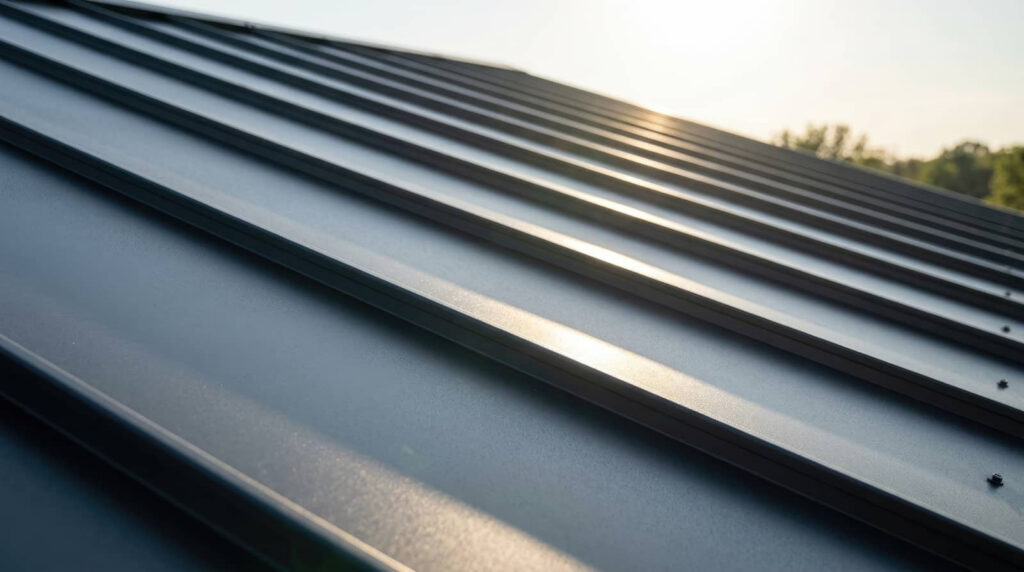
A metal roof can be a shield, but the price of that shield shifts with its armor. You’ll pay more when you choose copper or aluminum, add complex roof lines, or need custom flashing and thicker underlayment. Steel usually keeps costs lower, and a simple roof shape cuts labor. The install crew’s skill matters too. What seems cheap upfront can change fast once the details start adding up.
Key Takeaways
- Material choice strongly affects price, with steel cheapest and copper or zinc much more expensive.
- Roof complexity increases labor, waste, and flashing needs, raising total installation costs.
- Roof size, panel thickness, coating quality, and finish all change overall material expenses.
- Tear-off, disposal, deck repairs, and underlayment upgrades add extra project costs.
- Skilled labor and proper flashing cost more upfront but improve durability and warranty protection.
How Much Does a Metal Roof Cost?
How much does a metal roof cost? You’ll usually see a wide range, because metal roofing cost factors change the final price.
For a typical home, you might pay more for premium panels and less for basic profiles, so your budget should stay flexible. You’ll also need to account for roof size, slope, and the crew’s labor time.
If you choose a simpler system, you can control costs without giving up durability. If you want a standing seam look, expect a higher investment than exposed-fastener options.
You belong in the group of homeowners who plan ahead, compare quotes, and balance performance with price. When you review estimates, focus on material grade, finish, and installation complexity to judge real value.
What Drives Metal Roofing Prices?
You’ll see metal roofing prices shift first by material type, since steel, aluminum, copper, and zinc each carry different base costs and performance levels.
Roof complexity also matters because steep pitches, multiple valleys, skylights, and custom trims increase material waste and installation time.
Labor and installation costs then add another layer, with underlayment, fastening method, and crew skill affecting the final price.
Material Type Impact
Material choice is a major price driver in metal roofing. You’ll usually see lower costs with steel, especially galvanized or galvalume panels, because the material is widely available and efficient to produce.
Aluminum costs more, but it resists corrosion well, so you may value it in coastal or wet climates. Copper sits at the premium end; you pay for long service life, low maintenance, and a distinctive look that many property owners appreciate.
Zinc also trends higher because it performs well and develops a protective patina. Panel thickness, coating quality, and finish can shift pricing too.
When you compare options, think about upfront cost, durability, and the kind of result you want for your building and your crew’s standards.
Roof Complexity Factors
Roof complexity can raise metal roofing costs quickly because it increases labor, cuts, and installation time.
If your roof has multiple hips, valleys, dormers, skylights, or steep slopes, you’ll usually need more custom flashing and trim. Each changeover adds measurement precision and more material waste from fitting panels around edges and penetrations.
Simple gable roofs keep pricing steadier because panel layouts stay cleaner and fewer seams are needed. You’ll also see higher costs when roof planes change direction often, since those details demand tighter planning and more offcuts.
If you want predictable pricing, a straightforward roof design helps your project stay efficient and gives your crew a smoother path to a solid, watertight result.
Labor And Installation
Labor and installation often account for a major share of metal roofing costs because skilled crews need specialized tools, precise layout work, and careful fastening. You’re paying for expertise that keeps panels aligned, seams tight, and fasteners placed correctly.
Steeper pitches, multiple roof planes, skylights, and chimneys increase labor hours because installers must cut, flash, and seal each detail with care. If your old roof needs tear-off, disposal, or deck repairs, costs rise further.
You can control some expenses by choosing a straightforward roof design and scheduling work in favorable weather. Still, don’t chase the lowest bid alone. A qualified crew helps your roof perform better, last longer, and fit the standards your home deserves.
How Roof Size and Shape Affect Cost
Even before you choose a panel type, your roof’s size and shape can drive metal roofing costs up or down. Bigger roofs need more panels, fasteners, flashing, and labor hours, so your total rises with square footage.
Simple rectangles usually cost less because crews can measure, cut, and install faster with fewer waste pieces. If your roof has hips, valleys, dormers, skylights, or multiple planes, you’ll pay more for layout, trimming, and sealing.
Steeper pitches also slow installation and increase safety requirements. You can lower costs by keeping the design straightforward, limiting penetrations, and using standard dimensions where possible.
When you compare bids, ask how installers priced waste, access, and complexity so you know where your roof fits within the group.
Which Metal Roofing Materials Cost the Most?
After roof size and layout set the baseline, material choice usually creates the biggest spread in metal roofing cost.
If you’re comparing premium systems, copper usually sits at the top, followed by zinc and stainless steel. These metals cost more because they’re harder to source, form, and install.
Standing seam panels in aluminum or coated steel usually land in the middle, giving you strong performance without the same price tag.
Plain galvanized steel and galvalume often cost the least among common options, but the final price still depends on gauge, finish, and coating quality.
When you pick a material, you’re balancing budget, durability, and appearance. That’s how you choose a roof that fits your home and your crew.
How to Save on Metal Roofing
You can reduce metal roofing costs by comparing material options, since panels, coatings, and gauges vary widely in price and performance.
You’ll also save by choosing smart installation methods, such as simpler roof designs, standard panel sizes, and efficient fastening systems.
Focus on total installed cost, not just material price, so you can balance upfront savings with long-term value.
Material Cost Comparisons
How do you cut metal roofing costs without sacrificing durability? You compare panel metals carefully. Steel usually costs less than aluminum, zinc, or copper, and galvanized or Galvalume coatings can extend service life at a moderate premium.
If you want strong performance on a tighter budget, you can choose painted steel with a corrosion-resistant finish. Thicker gauges raise price, but they also reduce denting and can improve long-term value.
Avoid paying for decorative profiles unless they suit your climate and style goals. In your group of homeowners, the smartest savings come from matching material grade to exposure, roof pitch, and lifespan targets.
When you evaluate only what you need, you stay in control of the budget and join the crowd that gets reliable protection without overspending.
Smart Installation Choices
A careful installation plan can trim metal roofing costs without cutting lifespan. You can save by choosing panels sized to your roof layout, which reduces cuts, waste, and labor.
Work with a crew that installs fastener patterns correctly the first time; rework gets expensive fast. Ask for concealed-fastener systems when your budget allows, since they often speed installation and improve weather resistance.
Keep roof penetrations to a minimum, and group vents, skylights, and stacks so the installer spends less time flashing them. If your deck is sound, you won’t pay for extra tear-off or repairs.
Schedule work in the off-season, when demand drops and bids soften. You’re part of a smart homeowner group when you compare bids line by line.
Are Metal Roofs Worth the Money?
Whether metal roofs are worth the money depends on your budget, climate, and how long you plan to stay in the home.
You’ll usually pay more upfront than for asphalt shingles, but you can get longer service life, lower maintenance, and better resistance to wind, fire, and hail.
In hot or snowy regions, reflective panels and slick surfaces can improve energy performance and shed loads efficiently.
If you’re planning to stay put for decades, the life-cycle cost often favors metal. If you may sell soon, the premium can be harder to recover.
You also need to factor in underlayment, flashing, and skilled labor, since those details affect performance and price.
For many homeowners, metal roofing feels like a smart long-term fit.
Summaryd
When you weigh metal roofing costs, you can see the big drivers fast: roof size, steepness, tricky shapes, premium metals, and top-tier flashing or underlayment. Copper and aluminum can push prices sky-high, while steel usually keeps things more grounded. If you choose a simpler roof and a skilled crew, you can trim costs without sacrificing performance. In the end, you’re balancing upfront spend against decades of durability, efficiency, and near-mythic long-term value.